Meta Description: A practical Florida checklist for reviewing rental income, condition, flood risk, leases, HOA rules, and legal duties before closing.
A rental can look profitable on paper and still create expensive surprises after closing. Florida rental due diligence gives you the facts behind the listing, so your purchase decision is based on real income, real condition, and rental rules you can follow.
Before funds change hands, review the home as an investment property and as a future tenant’s home. A careful file protects your budget, your closing timeline, and the rental income you expect to enjoy.
Florida Rental Due Diligence Before the Offer
Start before the inspection period starts running out. The best investment property is not always the home with the highest advertised rent. It is the home you can legally lease, maintain confidently, and hold through changing costs.
Set the Rental Strategy First
Decide how you intend to rent the property before making an offer. Will it be an unfurnished annual rental, a furnished seasonal home, or a long-term rental with pets allowed? Your answer affects projected rent, insurance, tenant demand, turnover costs, and association approval.
Your rental agreement should reflect that model, including lease terms, pet rules, utilities, furnishings, and renewal expectations. Your plan should also account for legal requirements, including state and local rental rules, permits, occupancy limits, and association restrictions.
We recommend building a simple monthly estimate that includes mortgage costs, taxes, insurance, association dues, management, maintenance reserves, vacancy, and utilities you will pay. Use the rent supported by current comparable homes, not a seller’s best-case estimate.
If the property is in Lehigh Acres, Cape Coral, Fort Myers, Punta Gorda, Lake Placid, or Port Charlotte, rental demand can vary by neighborhood, home age, school access, waterfront features, and storm exposure. Price the actual home, not the city name.
Confirm Title, Permits, and Seller Disclosures
Ask for the title commitment, title search, recorded liens, judgments, code-enforcement notices, survey, permits, final inspections, warranties, repair invoices, and any open municipal notices. Compare these records with the seller disclosures and listing details.
A converted garage, enclosed lanai, pool enclosure, shed, or dock may affect insurance, tenant safety, and property value. You can request and compare these documents, while a Florida real-estate attorney or title professional should interpret title exceptions, lien priority, boundary issues, and unresolved notices.
Review prior insurance claims and major repairs with care. Roof work, plumbing leaks, water damage, sinkholes, drainage problems, and hurricane repairs all belong in the property file. A clean listing description is helpful, but it is not a substitute for records.
Audit Financial and Operating Records
If the property already has a tenant, the seller’s operating history is useful only when it matches supporting documents. Florida rental due diligence should test every income and expense number that affects your return.
Reconcile Income With the Lease
Request the executed rental agreement, all amendments or renewals, the rent ledger, security-deposit records, and proof of tenant payments. Confirm the current rent, lease expiration date, included utilities, pet fees, and tenant obligations.
Reconcile the advertised rent with the executed documents and bank deposits where available. Review concessions, unpaid balances, partial payments, utility obligations, and promises made by the seller.
Ask the seller or the property management company for owner statements, bank-deposit support, maintenance invoices, tenant communications, and fee schedules. Confirm management fees and any charges deducted before income reaches the owner.
Look Beyond the Seller’s Expense Sheet
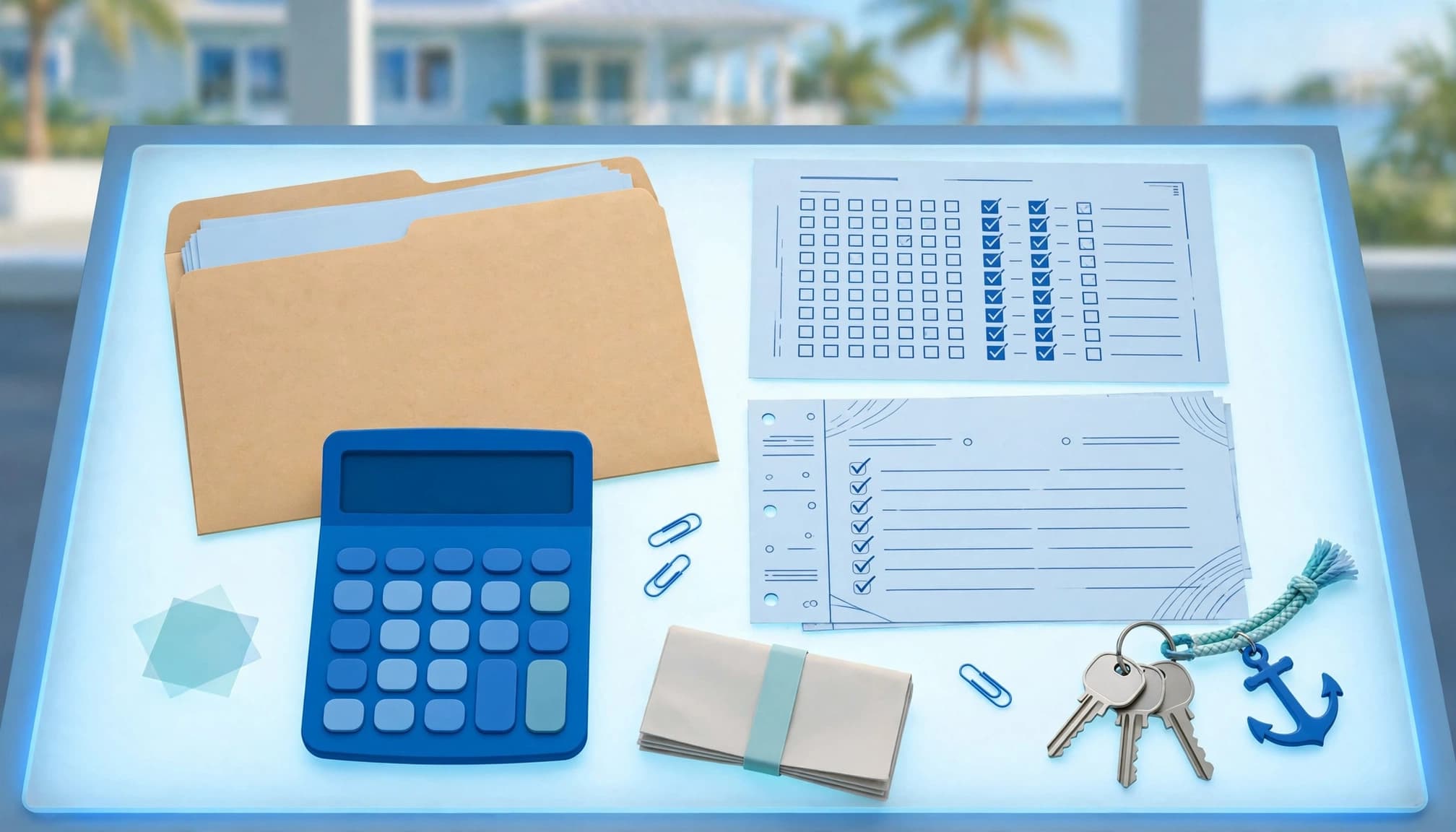
Review property-tax bills, insurance declarations, utility statements, lawn and pool contracts, pest control, HOA dues, and recent maintenance invoices. Ask whether any cost is temporary or expected to rise after closing.
This quick comparison keeps the review focused:
| Record | What to Confirm | Why It Matters |
|---|---|---|
| Rent ledger | Payments, credits, concessions, and past-due amounts | Supports realistic income |
| Insurance policy | Wind, roof, flood, loss-of-rent, and deductible terms | Reveals uninsured exposure |
| Repair invoices | Recurring leaks, HVAC work, and storm damage | Helps forecast reserves |
| HOA statements | Dues, violations, and special assessments | Can change monthly costs |
You can calculate scheduled income, documented expenses, management fees, and reserve needs from the records. A CPA can help test tax treatment and operating results. An insurance professional, property manager, or attorney may be needed for coverage, lease, or compliance questions.
Verify the policy’s actual wind, flood, roof, and loss-of-rent terms instead of relying on a generic estimate. For example, a 5% hurricane deductible on a $400,000 dwelling limit could leave a $20,000 owner-paid share before covered repairs begin. Calculate deductibles in dollars, then include them in your reserve plan.
Complete the Physical Property Inspection
A general inspection is the starting point, but the property inspection isn’t the finish line. Florida heat, humidity, heavy rain, termites, salt air, and storm damage can affect a rental home’s long-term costs.
Inspect Systems That Affect Habitability
You can observe visible conditions and request service records. A licensed inspector, roofer, electrician, plumber, structural professional, or other qualified expert should evaluate technical defects.
Check the roof’s age, wind-mitigation features, electrical panel, plumbing, HVAC, water heater, structure, and visible drainage conditions. Ask for service history, especially when a report says “monitor” or “repair as needed.”
Review HVAC servicing, roof care, drainage, pest control, and moisture management records. This history can reveal preventive maintenance gaps and help estimate future operating costs.
Check doors, windows, screens, smoke alarms, exterior lighting, ceiling stains, flooring, appliances, bathroom ventilation, and pool barriers. Verify legal requirements for smoke alarms, electrical safety, permitted improvements, habitability items, and applicable housing standards.
Look for termite evidence, mold or moisture indicators, elevation concerns, and drainage problems. Where relevant, review seawalls, docks, and the condition of roads or other access routes. These items affect tenant comfort, safety, and the speed of future turnover.

Review Flood, Drainage, and Access Risks
Search the exact address through the FEMA Flood Map Service Center and save the flood zone, panel, and effective map date in your closing file. FEMA flood maps are important, but they don’t replace an on-site review.
Walk the drainage paths. Look at elevation, nearby canals, low road sections, stormwater swales, electrical equipment, and access routes. A home can be outside a mapped high-risk flood zone and still have serious drainage concerns.
Use Florida’s Know Your Zone map to check evacuation information by address. A flood map identifies mapped flood risk, while an evacuation zone helps guide storm decisions. Keep at least two possible evacuation routes in the property file.
Standard landlord insurance generally doesn’t cover rising floodwater. Request separate flood insurance and wind coverage quotes for the actual address, then compare the limits, deductibles, and exclusions before closing.
A flood zone and an evacuation zone answer different questions. Review both before you decide how the property will operate during a storm.
Check Florida Law and Local Requirements
Florida landlord responsibilities begin before a tenant signs the lease. State law, local rules, permits, association documents, insurance, and other legal requirements need to match your plan.
Build Chapter 83 Into the Operating Plan
The Florida Residential Landlord Tenant Act covers core duties involving deposits, maintenance, entry, notices, and possession. Have a qualified Florida attorney review current Florida Statutes, notices, deposit disputes, and possession questions before relying on legal advice.
Florida security deposit claims have strict timing. If no claim is made, the deposit must be returned within 15 days after the tenant vacates. If you intend to make a claim, send the required written notice within 30 days. The tenant then has 15 days after receiving the notice to object in writing. Claims generally distinguish damage beyond ordinary wear and tear, but the facts and applicable law control the outcome.
For nonpayment of rent, a 3-day notice demands payment or possession. The eviction process generally requires proper notice, filing, service, an opportunity to respond, and a judgment or other court action. A notice is not a court order. Possession can’t be recovered through lock changes, utility shutoffs, or other self-help without the legally required process and, where applicable, a court order. When authorized, enforcement proceeds through a writ of possession.
Match Local Rules to the Property
Check city and county legal requirements for registration, inspections, occupancy, business taxes, housing and health codes, and permits. Rules can differ between municipalities, so don’t assume one Florida rental process applies everywhere.
For example, Lee County’s Residential Building Guide outlines local permitting and inspection expectations. Confirm whether prior improvements were permitted, finaled, and properly documented.
Florida law also requires a separate flood disclosure at or before signing qualifying residential leases of one year or longer. Section 83.512 took effect October 1, 2025. Keep the signed disclosure with the executed rental agreement. Discuss coverage questions with an insurance professional and confirm the requirement with counsel, because law and local enforcement can change.
Review HOA Rules, Leases, and Tenant Files
A beautiful home can become an unworkable rental when an association rejects the lease or restricts your intended use. The seller’s rental history does not automatically become your rental right after closing.
Get Association Approval Details in Writing
Request the current declaration, amendments, bylaws, rental rules, fee schedule, tenant application, recent meeting minutes, budget, estoppel information, and violation history. Confirm whether the proposed rental agreement is eligible under the declaration, rental cap, waitlist, minimum lease term, approval process, and transfer restrictions.
Ask the association manager to confirm your rental eligibility in writing. Once association rules are clear, review the legal requirements governing owner duties. Check special assessments, pending litigation, insurance responsibilities, transfer fees, and capital contribution charges before underwriting the deal.
For HOA and condominium properties, compare the newest amendment history with the current rules. A seller may have a grandfathered right that doesn’t transfer to a new owner, so obtain written approval before relying on it.
Create a Fair and Consistent Screening Process
Strong tenant screening helps protect the home, but it must be applied consistently. Use a written policy covering identity, income, rental history, occupancy, pets, credit, and an optional background check, with fair-housing safeguards.
If inherited tenant files show a pending possession dispute or existing court case, request the record and have an attorney review any court order. Don’t treat an association or seller statement as dispositive.
HUD’s 2024 screening guidance supports fair, transparent, nondiscriminatory policies. Avoid informal exceptions that you can’t explain or apply equally.
Your lease agreement should incorporate approved association rules and property-use restrictions. It should also address rent due dates, late fees, maintenance reporting, entry notice, pets, smoking, utilities, renter’s insurance, and renewal terms.
Protect the tenant’s quiet enjoyment through consistent privacy and nondiscriminatory enforcement practices. Routine entry generally requires reasonable notice, including at least 24 hours’ notice when applicable, and must occur between 7:30 a.m. and 8:00 p.m. Emergencies and property-protection situations may allow entry without prior notice.
Document move-out conditions, deductions, and repairs carefully. Account for ordinary wear and tear when evaluating any security-deposit claim.
Prepare the Closing and Pre-Lease File
Good records make ownership more convenient and prevent small issues from becoming expensive disputes. Keep one organized file for the purchase, tenant, and property condition.
Before closing, confirm these items are complete:
- The title commitment, lien and judgment search, survey, payoff information, estoppel certificates, and assignment or transfer documents match the property you’re buying.
- The executed rental agreement, amendments, tenant ledger, security-deposit records, notices, condition reports, and any relevant court order or pending-case documents transfer securely.
- Insurance binders, flood and wind quotes, liability coverage, and loss-of-rent protection fit the home’s actual exposure.
- Your final review covers legal requirements, including permits, disclosures, HOA or condominium approvals, insurance requirements, required lease addenda, and signed disclosures.
- Invoices, warranties, open work orders, service contracts, and responsibility assignments for maintenance and repairs are delivered at closing.
- Dated photos document the home’s condition before a new tenant receives keys.
You can confirm that documents are present and internally consistent. The closing attorney or title company handles title and lien interpretation, an insurance professional confirms coverage, and qualified inspectors verify condition.
We keep lease documents, inspection reports, maintenance records, owner statements, and association notices together because reliable records support better decisions throughout the tenancy.
Key Takeaways
- Florida rental due diligence should confirm more than projected rent. It should confirm legal rental eligibility, physical condition, insurance exposure, and operating costs.
- Don’t rely on a seller’s rental history or listing remarks when HOA rules, permits, or flood exposure may limit your plan.
- Security deposit claims depend on the rental agreement, move-in and move-out records, photographs, invoices, and proper notices.
- Before closing, transfer and verify the executed rental agreement, tenant ledger, deposit records, HOA approvals, permits, insurance documents, and title or lien results.
Frequently Asked Questions
What Must a Florida Landlord Do With a Security Deposit?
Under the Florida Residential Landlord Tenant Act, a landlord must follow Florida Statute 83.49 for holding, accounting for, and returning a security deposit. Return it within 15 days after vacancy if there is no claim. For security deposit claims, send the required written notice within 30 days and support the claim with the rental agreement, move-in and move-out records, photographs, invoices, and delivery records. Charges should reflect damage beyond ordinary wear and tear.
Can a Tenant Withhold Rent for Unrepaired Conditions?
Rent withholding isn’t an automatic response to a maintenance concern. Tenant rights include notice and remedy procedures for material landlord noncompliance, but a tenant shouldn’t assume a dispute authorizes withholding rent. A private demand isn’t a court order, and neither party should use self-help instead of the lawful process. Tenants and owners should document the issue, preserve records, and seek qualified legal advice before withholding rent or ending a lease.
When Can a Landlord Enter Without Notice?
For routine repairs or inspections, Florida generally requires at least 24 hours’ reasonable notice during permitted hours. Entry should also respect a tenant’s quiet enjoyment. Immediate entry may be allowed for an emergency, active water intrusion, fire, or another situation where access is reasonably needed to protect people or the property.
Make the Purchase Decision With Confidence
A profitable rental starts with a property you can legally lease, realistically maintain, and properly insure. For an occupied property, base your decision on documented income, an enforceable rental agreement, verified condition, insurance, title, and closing records.
For hands-on support with rental pricing, tenant screening, leasing, maintenance coordination, and owner reporting, discuss your rental investment goals with Best Investing Realty.