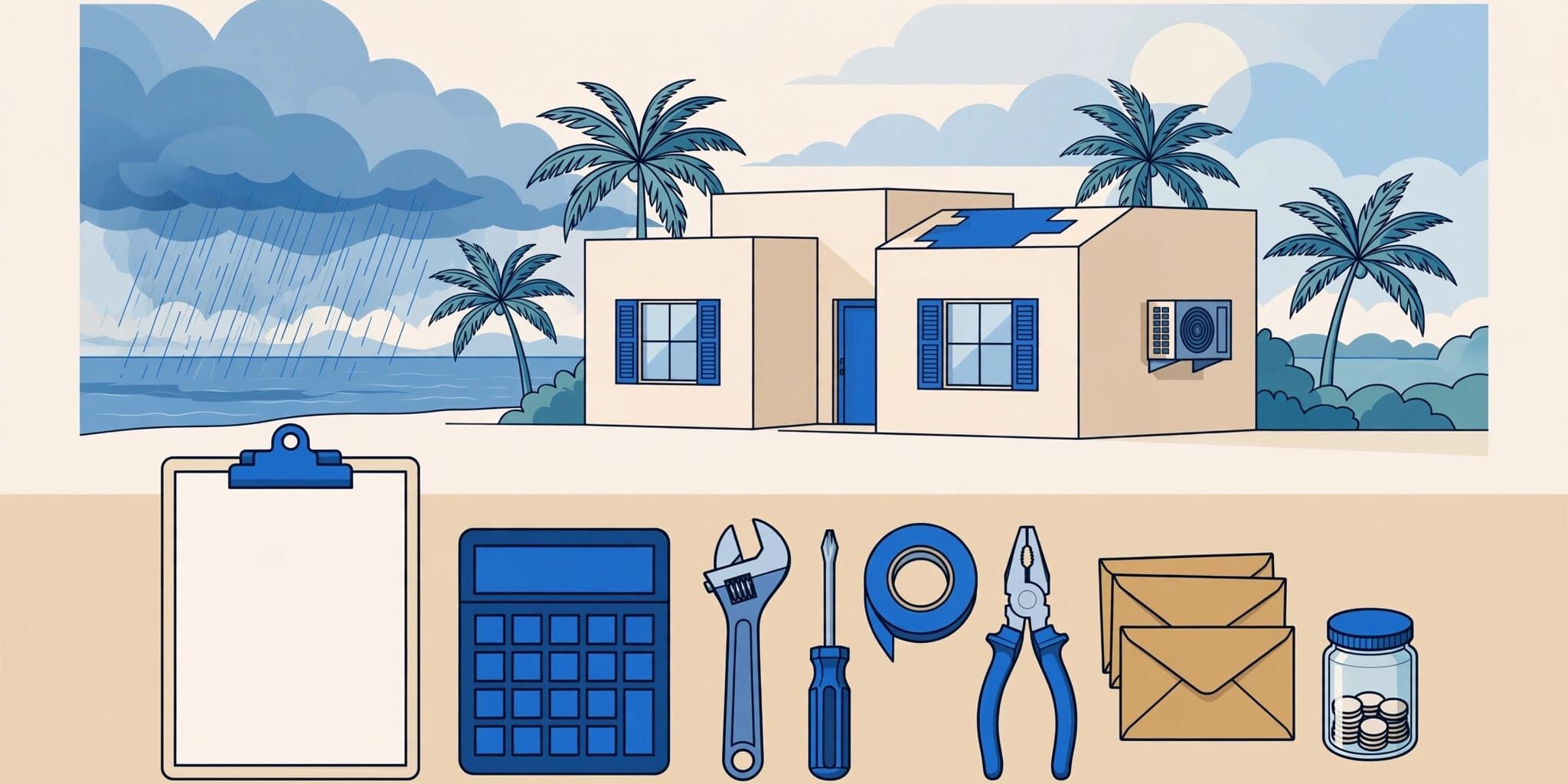
A rental can look profitable on paper until an air conditioner fails in July or a storm-related roof leak demands emergency repairs. A thoughtful Florida rental maintenance budget helps cover scheduled work, urgent problems, and long-term replacements without letting one expense disrupt the investment.
Florida homes face heat, humidity, heavy rain, pests, salt exposure near the coast, and hurricane-season uncertainty. We recommend separating scheduled work, urgent repairs, long-term replacements, and reserve funding instead of treating every bill as the same cost.
Start with the home’s condition, location, systems, insurance, and storm exposure, then build a rental property maintenance plan around the work ahead. This approach helps you set realistic reserves before small issues become larger costs.
Key Takeaways
- Build a Florida rental maintenance budget around the property’s age, condition, location, coastal exposure, systems, insurance, and storm risk rather than relying on one universal percentage.
- Separate routine maintenance, urgent repairs, capital replacements, storm-related costs, turnover expenses, and operating expenses into clear budget categories.
- Use the 1% property value rule, square-footage estimates, and rent-based budgeting as starting points, then choose a conservative reserve based on the property’s actual needs.
- Create monthly component reserves for major items such as the roof, HVAC system, water heater, pool equipment, seawall, and appliances.
- Review the budget annually and update it after inspections, repairs, insurance changes, renewals, and new contractor estimates.
Why Florida Rentals Need a Different Maintenance Plan
Florida rental property maintenance needs a location- and system-specific plan, not a generic repair allowance. In Southwest Florida, water, heat, and wind can put steady pressure on the same home. That doesn’t make rental ownership less rewarding, but it does make a broad repair estimate less reliable.
Heat, Humidity, and Salt Affect Major Systems
Air conditioning is not a convenience in a Florida rental. It helps protect tenant comfort and limit moisture-related concerns inside the home. A neglected condensate line, clogged filter, or aging compressor can quickly become an after-hours service call.
Coastal and near-coastal properties need extra attention as well. Salt air can speed up corrosion on exterior hardware, fasteners, screens, doors, HVAC equipment, and metal roof components. Cape Coral homes with pools, screened lanais, canals, docks, or seawalls can have additional service and replacement costs. Those features should have separate budget lines instead of being hidden inside a broad repair percentage.
Habitability Costs Are Business Costs
Maintenance is tied to a landlord’s legal responsibilities, not only curb appeal. Under Florida Statute 83.51, maintenance duties can include structural components and plumbing, depending on the property type, applicable codes, lease terms, and statutory exceptions.
The statute identifies roofs, windows, doors, floors, steps, porches, exterior walls, foundations, and plumbing. It also addresses screens, smoke detectors in certain homes, and extermination duties for many multifamily properties.
Deferred maintenance can make a small leak, condensate issue, corroded fastener, or drainage problem cost more than the original invoice. The result can include water damage, lost rent, tenant complaints, and habitability problems.
How to Build a Florida Rental Maintenance Budget
Rental property maintenance works best when the budget has three separate layers: routine service, unexpected repairs, and long-term replacements. Combining all three into one loose number makes it harder to separate operating expenses from long-term reserves and judge the property’s performance.
Start With More Than One Rule of Thumb
The 1% property value rule is a useful screening estimate, not a universal answer. For a $300,000 rental, the calculation is $300,000 × 1% = $3,000 annually for maintenance and repairs. However, this method doesn’t account for roof age, hurricane deductibles, pool equipment, or HVAC condition.
You can also compare the result with the square footage rule, often estimated at $1 to $2 per square foot annually. A home with 1,800 square feet would produce a starting range of $1,800 to $3,600 per year.
A third check is rent-based budgeting, with owners reserving 10% to 15% of collected rent for maintenance and replacements. That reserve helps protect rental income when a major system fails. Compare it with the other methods, don’t stack percentages, and choose the conservative estimate for older or specialized properties.
Review the Property Before Setting the Reserve
Inspect the roof age, water heater, HVAC condition, plumbing material, appliances, electrical panel, windows, screens, irrigation, fencing, exterior drainage, and pool equipment. Also check HOA rules, insurance premiums, hurricane deductibles, flood exposure, local vendor availability, and contractor rates, then request service records whenever possible.
A newer home may need fewer early repairs, but it still needs filter changes, pest prevention, lawn care, inspections, and an emergency fund. An older home can produce strong returns, but its inspection should guide your rental property maintenance reserve for systems nearing replacement.
Real estate investors should use the actual address when pricing insurance, flood exposure, wind mitigation, HOA rules, and local vendor availability. A seller’s broad expense history isn’t a dependable forecast after purchase. Property age, insurance premiums, and contractor rates can change future maintenance expenses.
Budget Routine Maintenance Before It Becomes an Emergency
Routine maintenance protects the home, supports tenant satisfaction, and gives you better control over cash flow. Treat rental property maintenance as an annual operating plan, not a list of costs addressed only when a problem becomes impossible to ignore.
Schedule HVAC and Moisture Checks
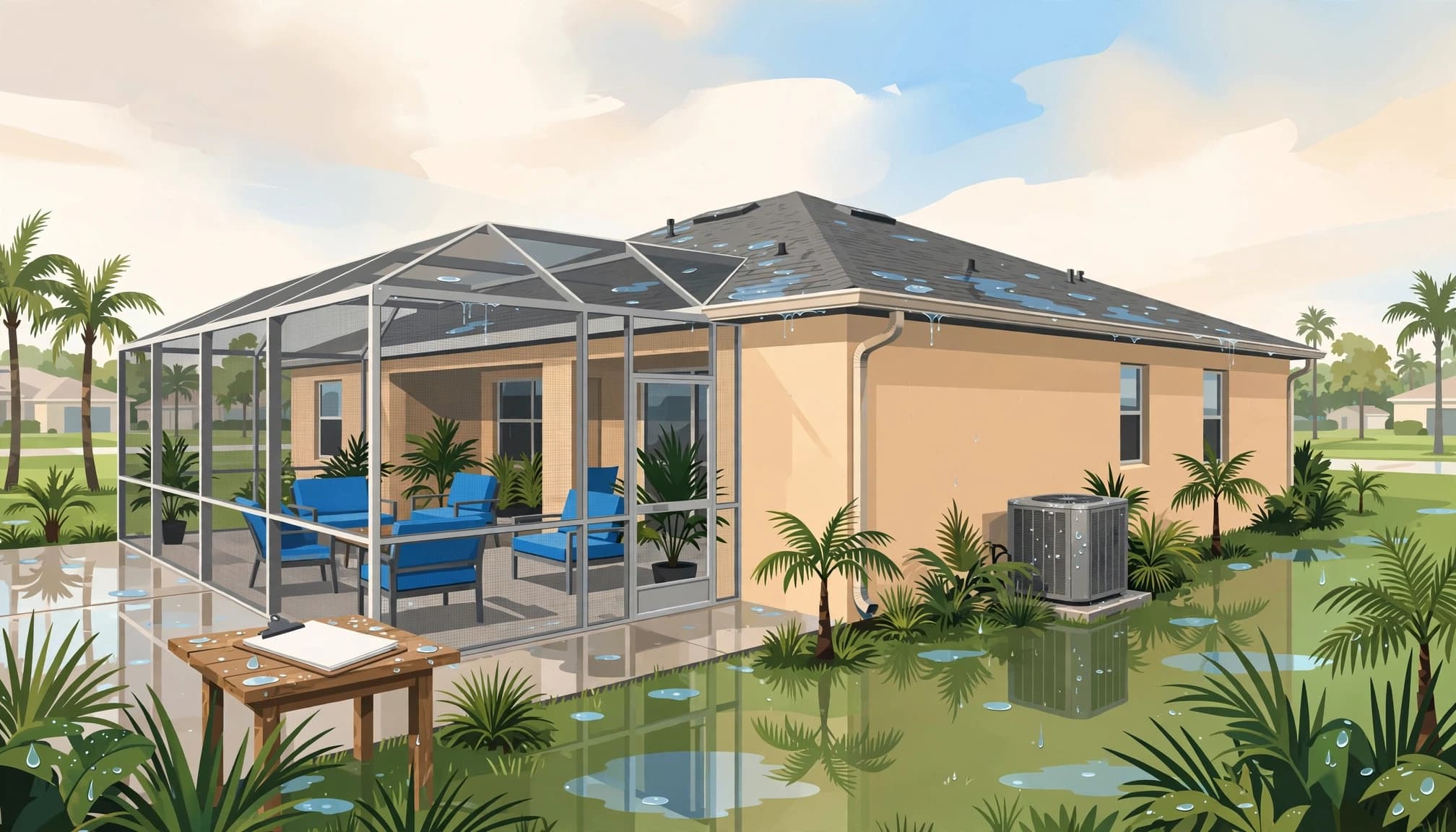
HVAC maintenance should follow manufacturer guidance and local technician recommendations. Include filter replacement, condensate-line checks, seasonal servicing, thermostat review, and documentation of completed work as part of preventative maintenance. Ask the technician to identify parts nearing the end of their service life.
Watch for roof leaks, plumbing drips, failed caulk, damaged grout, and drainage issues. These small conditions can damage drywall, flooring, cabinets, and create mold-related concerns if they sit too long.
A maintenance reserve should cover recurring maintenance expenses. Include plumbing repairs, lock changes, smoke-detector batteries, minor drywall patches, and appliance maintenance. Inspect and clean appliances regularly, but keep full replacement in the capital-reserve plan.
Include Exterior, Pest, and Turnover Work
Landscaping costs can include lawn care, irrigation repairs, tree trimming, pressure washing, and gutter cleaning where applicable. Use seasonal maintenance before summer and major storms, and budget for screens, pest control, and pool-related service. Together, these services can materially affect annual operating expenses.
Track turnover costs separately, including cleaning, touch-up paint, carpet or flooring repairs, re-keying, marketing, and vacancy. Vacancy reduces income, while maintenance increases expenses. A security deposit isn’t a general maintenance fund and can’t cover ordinary wear and tear. Follow the lease agreement, Florida law, and required accounting procedures.
For a multifamily property, Florida law may require the landlord to make reasonable provisions for extermination. A lease agreement may address responsibility for pest treatment where legally permissible, but the allocation must remain consistent with applicable law. The Florida Bar’s landlord and tenant guidance is a helpful reminder that safe, well-maintained housing is part of the owner responsibility.
Separate Repairs From Capital Expenditures
A healthy rental property maintenance plan should separate recurring operating expenses from major replacements. A repaired toilet and roof replacement both matter, but they belong in different financial buckets.
Ordinary Repairs Keep the Home Working
Minor property repairs, such as plumbing repairs, broken lock replacements, drywall patches, screen fixes, or appliance maintenance, usually restore normal function. These items keep the property in normal operating condition.
Track these operating expenses monthly. Over time, the record can reveal recurring plumbing issues, unreliable appliances, or turnover costs. Repainting, cleaning, or flooring work between tenants isn’t automatically a capital expenditure.
For tax purposes, treatment can vary by fact pattern, so the IRS guidance on tangible property regulations distinguishes routine repairs and maintenance from work that improves, restores, or adapts a property. This classification can affect potential tax deductions, so keep invoices, vendor descriptions, permits, and before-and-after photos, and consult a qualified tax professional.
Capital Reserves Prepare for Replacement
Capital expenditures are larger, less frequent costs that extend useful life, restore a major component, or materially improve the home. A full HVAC replacement, roof replacement, major flooring project, seawall work, substantial window upgrade, or complete appliance package may require a separate capital reserve.
Use a component reserve formula: annual component reserve = (estimated future replacement cost minus any amount already dedicated to that component) divided by estimated remaining useful life. Monthly component reserve = annual component reserve divided by 12.
Include likely permitting, disposal, labor, material, and contractor rate changes in the estimate. Remaining-life estimates are uncertain for Florida roofs, HVAC systems, seawalls, and coastal components, so review the reserve annually.
Protect Cash Flow Against Storm and Insurance Risk
Storm planning belongs inside the budget before hurricane season begins. Include pre-hurricane inspections, tree trimming, drainage checks, roof observations, and documentation in your annual budget as seasonal maintenance. Don’t wait until a named storm approaches Southwest Florida.
Know the Deductible Before You Need It
Review your landlord policy with a licensed insurance professional. Confirm the dwelling limit, loss-of-rent coverage, roof provisions, flood coverage, windstorm terms, hurricane deductible, exclusions, and ordinance-and-law coverage. Flood and wind coverage may be treated differently, while HOA requirements or a condo association’s master policy may change your exposure.
A percentage deductible can create a large out-of-pocket cost. Use this formula: dwelling limit × deductible percentage = potential out-of-pocket deductible. For a $400,000 dwelling limit and 5% hurricane deductible, $400,000 × 0.05 = $20,000. This is only an illustration, and policies vary. Insurance proceeds, deductibles, exclusions, and reserve cash can each affect the final cost of property repairs. A small monthly reserve may not cover every loss or replace insurance, which may not reimburse every cost.
The Florida Hurricane Preparedness Guide also warns that contractors cannot lawfully pay, waive, or rebate an insurance deductible for covered repairs. Keep that warning in mind when reviewing post-storm repair offers.
Hold Cash for the First Days After a Storm
Insurance claims can take time. A reserve gives you flexibility for emergency repairs. These may include roof tarping, water mitigation, tree removal, debris cleanup, temporary security, and urgent vendor response. Keep this storm-response cash separate from normal operating expenses.
A storm-related vacancy may also create turnover costs. Cleaning, re-keying, marketing, or temporary housing should remain visible rather than hidden inside the repair estimate.
Take dated photos before storm season and after a loss. Save inspection reports, maintenance records, invoices, and tenant communications. Clear records support insurance claims and help show how the property was maintained.
Use a Simple Monthly Reserve System
Use rental property maintenance as a monthly operating process, not a task funded only after something fails.
A reserve fund only works when it is funded consistently. A maintenance reserve fund is a dedicated, consistently funded account or ledger for approved maintenance and replacement needs. Treat it like a required operating transfer, not money available for unrelated expenses. Review the transfer against actual maintenance expenses and adjust it when invoices show a different pattern.
Apply the Same Formula to Every Property
For a home collecting $1,850 each month, use this sample budget framework:
- Annual scheduled rent = $1,850 × 12 = $22,200.
- Effective rental income after a 5% vacancy assumption = $22,200 × 0.95 = $21,090.
- Service transfer at 5% of effective rental income = $21,090 × 0.05 = $1,054.50 per year, or approximately $87.88 per month.
- Monthly replacement reserve = the sum of each component’s estimated unfunded replacement cost divided by its remaining months of useful life.
- Monthly storm reserve = the desired out-of-pocket storm fund divided by the number of months allowed to build it.
- Total monthly reserve transfer = service reserve plus component replacement reserve plus storm reserve.
Apply this calculation to each property. Real estate investors with several homes shouldn’t use one portfolio-wide percentage.
This 5% service figure is only a starting assumption. It can’t fund roof work, an HVAC replacement, a seawall project, major water loss, or a hurricane deductible.
Create a property-specific component schedule for the roof, HVAC system, water heater, appliances, windows, pool equipment, seawall, fencing, and other major items. Estimate each item’s unfunded cost and remaining useful life before setting the monthly replacement amount.
A sample ledger should show separate lines for:
- Scheduled service
- Urgent repair calls
- Capital replacements
- Storm deductible exposure
- Property taxes
- Insurance
- HOA dues
- Management
- Lawn or pool service
- Vacancy
- Turnover costs
Keep taxes, insurance, management, and recurring services in operating expenses, separate from capital reserves. An occupied rental can still produce weak cash flow when reserves and operating expenses are understated.
Include Management in the Operating Model
Property management is an operating expense, just like insurance and maintenance. Full-service fees often fall around 8% to 12% of collected rent, although contracts, included services, and local rates vary.
A reliable manager can coordinate inspections, tenant communication, repair approvals, vendor scheduling, invoices, and after-hours response. That support can be especially helpful for out-of-area owners or those with several properties.
Ask about repair-approval limits, after-hours response, vendor markups, inspection frequency, maintenance documentation, and how owner reserves are held. If you’d like support with repairs, records, and local rental operations, you can contact a Florida property management team to discuss your property goals.
Frequently Asked Questions
How much should I budget for Florida rental maintenance?
A common starting point is 1% of the property’s value, $1 to $2 per square foot annually, or 10% to 15% of collected rent for maintenance and replacements. These figures are screening estimates, so adjust them for the home’s age, systems, coastal exposure, storm risk, and major replacement needs.
Should routine repairs and major replacements use the same reserve?
No. Routine repairs such as plumbing fixes, lock changes, and drywall patches should be tracked as operating expenses, while roof, HVAC, seawall, and other major replacements need separate capital reserves. Keeping these categories separate makes cash flow and property performance easier to evaluate.
How should I prepare for hurricane-related maintenance costs?
Review the property’s insurance coverage, hurricane deductible, flood and wind terms, loss-of-rent protection, and exclusions before storm season. Maintain a separate storm-response reserve for costs such as roof tarping, water mitigation, tree removal, debris cleanup, temporary security, and urgent vendor response.
How do I calculate a monthly replacement reserve?
Estimate the future replacement cost, subtract any amount already dedicated to that component, and divide the remainder by its expected remaining useful life. Divide the annual result by 12 to determine the monthly reserve, then review the estimate as contractor rates, system condition, and useful-life assumptions change.
Build the Budget Before Buying the Property
The strongest Florida rental maintenance budget is not a single percentage. It is a property-specific plan for rental property maintenance, major replacements, insurance deductibles, storm-related repairs, and turnover costs.
We recommend underwriting the property before making an offer with conservative assumptions, then revisiting reserves after inspections, repairs, renewals, insurance changes, and major contractor estimates. Costs vary by property age, location, coastal exposure, HOA rules, insurance terms, system condition, labor availability, and contractor rates. A property that remains workable when these costs arrive can better support long-term rental income.