Florida landlord pest control duties depend on property type, lease terms, and the condition behind the infestation. For dwellings covered by Florida law, the landlord generally must arrange reasonable extermination. A written lease can provide an exception for single-family homes and duplexes.
A clear lease agreement can help protect rental income, but it doesn’t replace maintenance obligations under Florida law. Don’t assume a separate, blanket implied warranty of habitability. Assess statutory duties and lease terms when deciding whether a home is habitable.
Address the pest infestation and its source together, then separate treatment duties, needed repairs, and evidence of tenant-caused damage before deciding who pays.
Key Takeaways
- Florida’s extermination requirement generally applies to dwellings other than single-family homes or duplexes, unless the landlord and tenant agree otherwise in writing.
- For a single-family home or duplex, the lease can assign pest control to the landlord or tenant, but applicable structural, plumbing, and code duties still apply.
- The tenant should report infestations in writing. Both parties should keep treatment records and evidence of the source to support fair decisions about responsibility and costs.
Florida Landlord Pest Control Duties by Property Type
Florida Statutes Section 83.51 sets the landlord’s maintenance duties for safe, habitable rental housing. Subsection (1)’s general maintenance requirements and subsection (2)(a)’s specific extermination provision have different scopes.
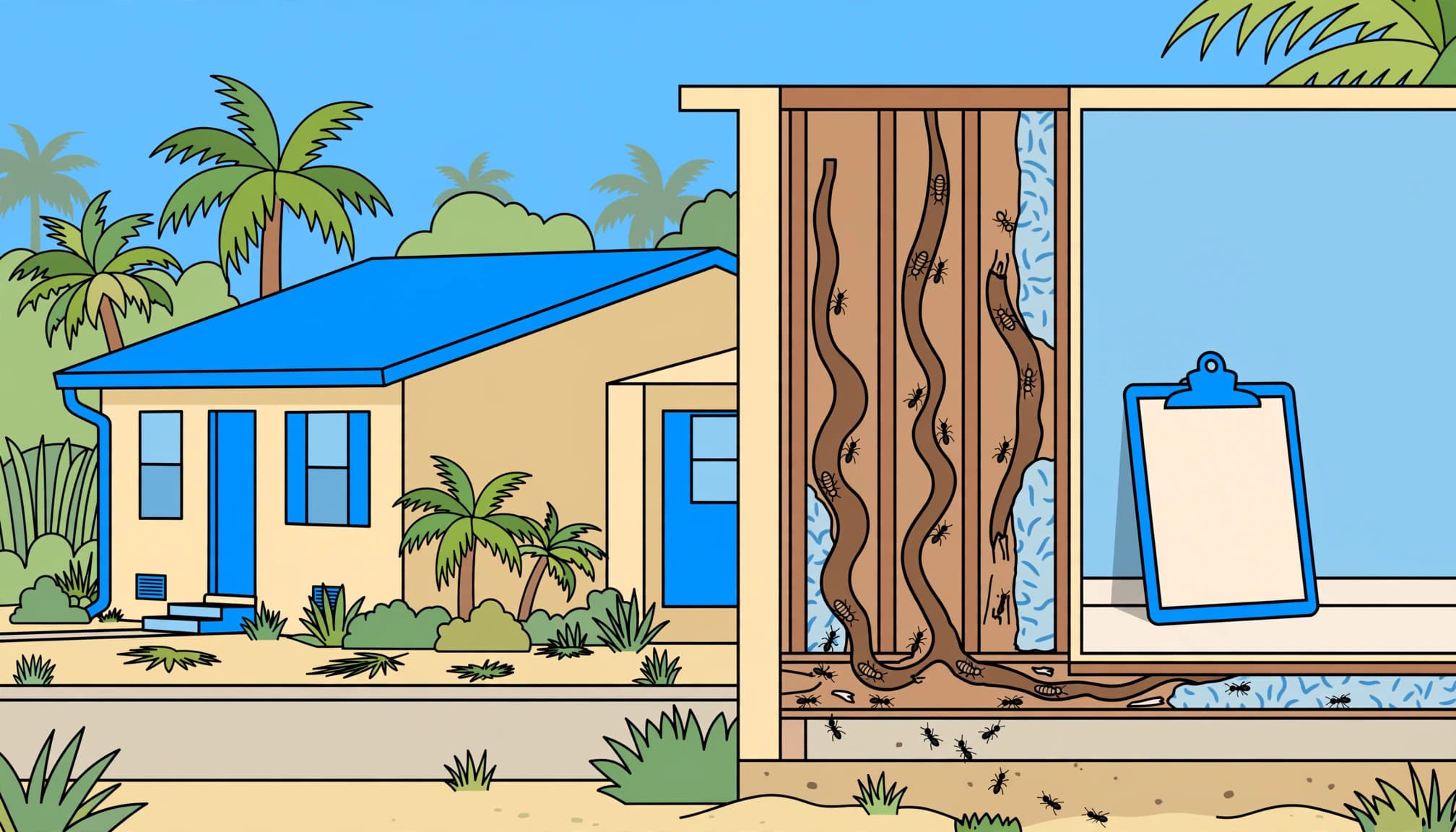
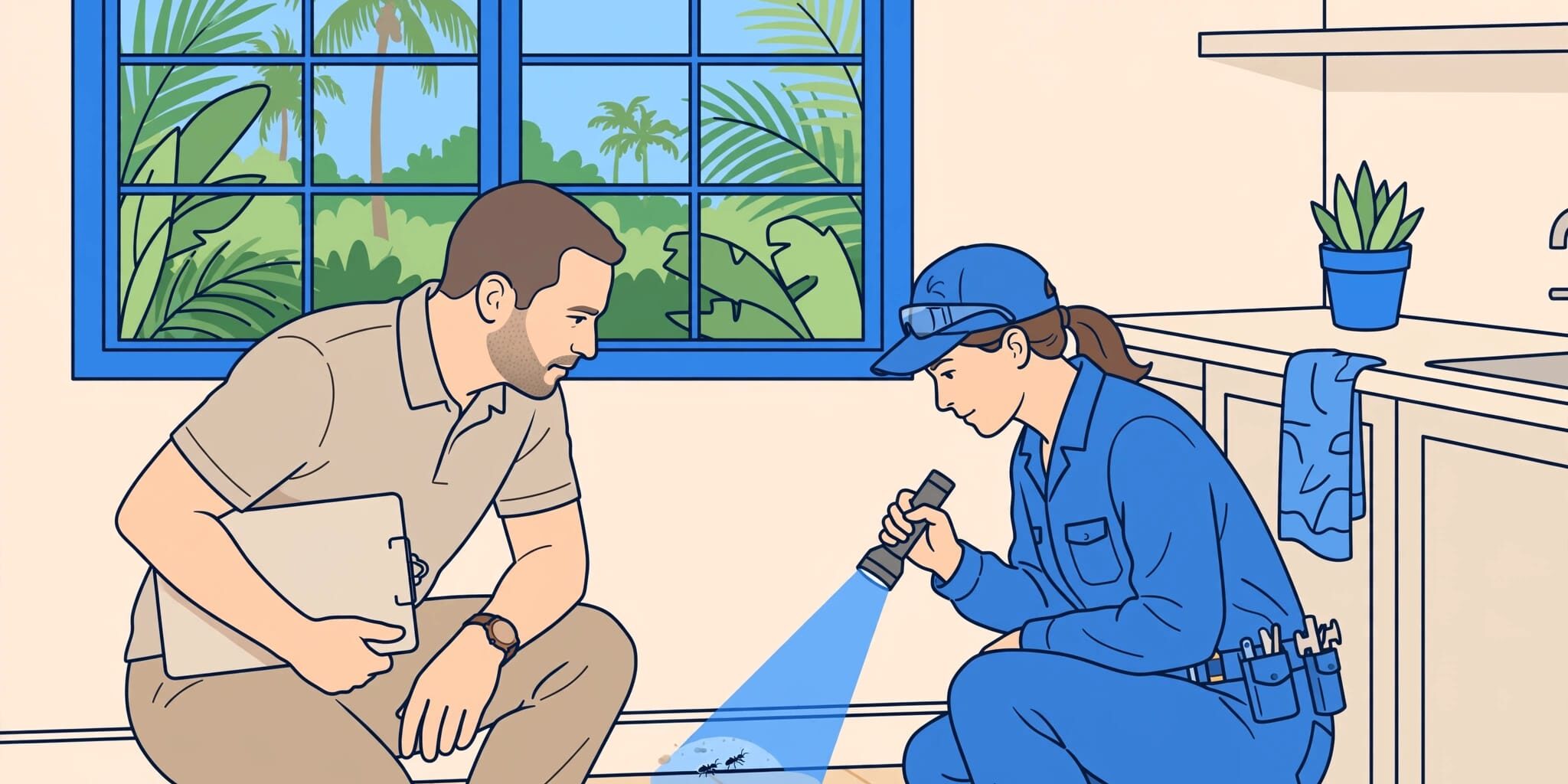
Image alt text: Pest control treatment in a rental home.
Single-Family Homes and Duplexes
By default, subsection (2)(a)’s specific extermination duty doesn’t apply to single-family homes or duplexes. A written lease agreement may assign pest treatment to the landlord or tenant.
That exception doesn’t automatically transfer every pest-related repair to the resident. Applicable building, housing, and health codes still apply. Where those codes don’t apply, subsection (1) sets structural and plumbing maintenance duties.
Certain subsection (1) duties for houses and duplexes can be modified in writing. Property-specific terms are clearer than a blanket statement assigning every repair to the resident.
Apartments and Other Covered Dwellings
Unless otherwise agreed in writing, covered dwellings must have reasonable provisions for exterminating rats, mice, roaches, ants, wood-destroying organisms, and bedbugs throughout the tenancy.
This generally includes apartments in multi-unit dwellings. Florida law doesn’t require a monthly service schedule or guarantee that one treatment will eliminate every pest.
Lease terms can assign responsibility, but a pest clause doesn’t excuse a separate code violation or maintenance failure.
Which Pests and Property Conditions Matter?
The pest species helps determine the treatment, but the building condition and infestation source help determine responsibility. A landlord should record both before approving charges, since pest presence alone doesn’t prove tenant fault.
These common problems call for different responses.
| Pest | What to Document | Responsibility Consideration |
|---|---|---|
| Rats and mice | Droppings, entry holes, damaged materials | Building openings and sanitation both matter. |
| Cockroaches and ants | Active insects, recurring locations, leaks | Food sources aren’t the only possible cause. |
| Bed bugs | Professional findings and affected rooms | Their presence alone doesn’t prove tenant fault. |
| Termites | Mud tubes, wings, frass, damaged wood | Treatment and structural repairs need separate assessment. |
All four categories appear in the statute’s extermination list for multi-unit dwellings. Houses and duplexes still require a separate lease and maintenance analysis, which the landlord should review.
Termite warning signs include mud tubes, swarmers, discarded wings, drywood termite frass, and hollow-sounding wood. These signs justify professional assessment, but they don’t establish the extent of hidden termite damage.
Photograph any mud tubes and record where they appear. Ask the inspector to note mud tubes in the professional inspection record. Termites can cause severe damage to floors, ceilings, and other structural components.
Moisture problems may also support mold growth, while rodents can chew wiring and create electrical hazards. We wouldn’t assume termites caused every related condition without a qualified inspection.
Suspected structural instability or damaged electrical equipment needs an urgent response. Keep residents away from affected areas and arrange the appropriate professional assessment.
Who Pays for Treatment and Related Damage?
We recommend addressing the immediate condition while reviewing disputed charges separately. Responsibility for routine pest control, structural repairs, and damaged belongings may differ.
Tenant-Caused Infestations Need Evidence
Section 83.52 addresses tenant duties, including cleanliness, garbage disposal, and reasonable use of the property. Conduct can support cost recovery when the lease and law allow it.
But bed bugs or cockroaches appearing during a tenancy don’t establish negligence. Move-in records, professional findings, photographs, and documented sanitation conditions provide a stronger basis than assumptions.
A known, unrepaired plumbing leak also matters. A landlord’s prior knowledge and maintenance failure can affect responsibility for excess water charges, so the renter shouldn’t automatically receive the bill. Treatment invoices alone don’t establish who caused the problem.
Budget for Prevention and Treatment
Most landlord insurance policies don’t cover pest infestations or resulting damage. We recommend treating prevention, inspections, and necessary treatment as operating expenses rather than expected insurance reimbursements. Owners should check their landlord insurance policy to confirm what it covers.
Honeycomb Insurance’s pest responsibility overview describes Arkansas as the only state without an implied warranty of habitability. It also discusses 21 states, including Florida, New York, and Maine, with bed bug laws that assign landlord responsibilities. These broad comparisons don’t replace analysis of Florida’s property-specific statutes.
For practical cost context, Angi’s pest control cost guide lists one-time visits of $108 to $261 for a 1,500-square-foot home. That’s a general benchmark, not a Florida monthly rate. Treatment for termites and termite damage requires a separate scope and budget, and treatment costs alone don’t establish responsibility.
A Practical Response Plan for Tenants and Owners
A dependable response to a pest infestation starts with clear reporting and continues through documented completion. Both a tenant and landlord can use this sequence.
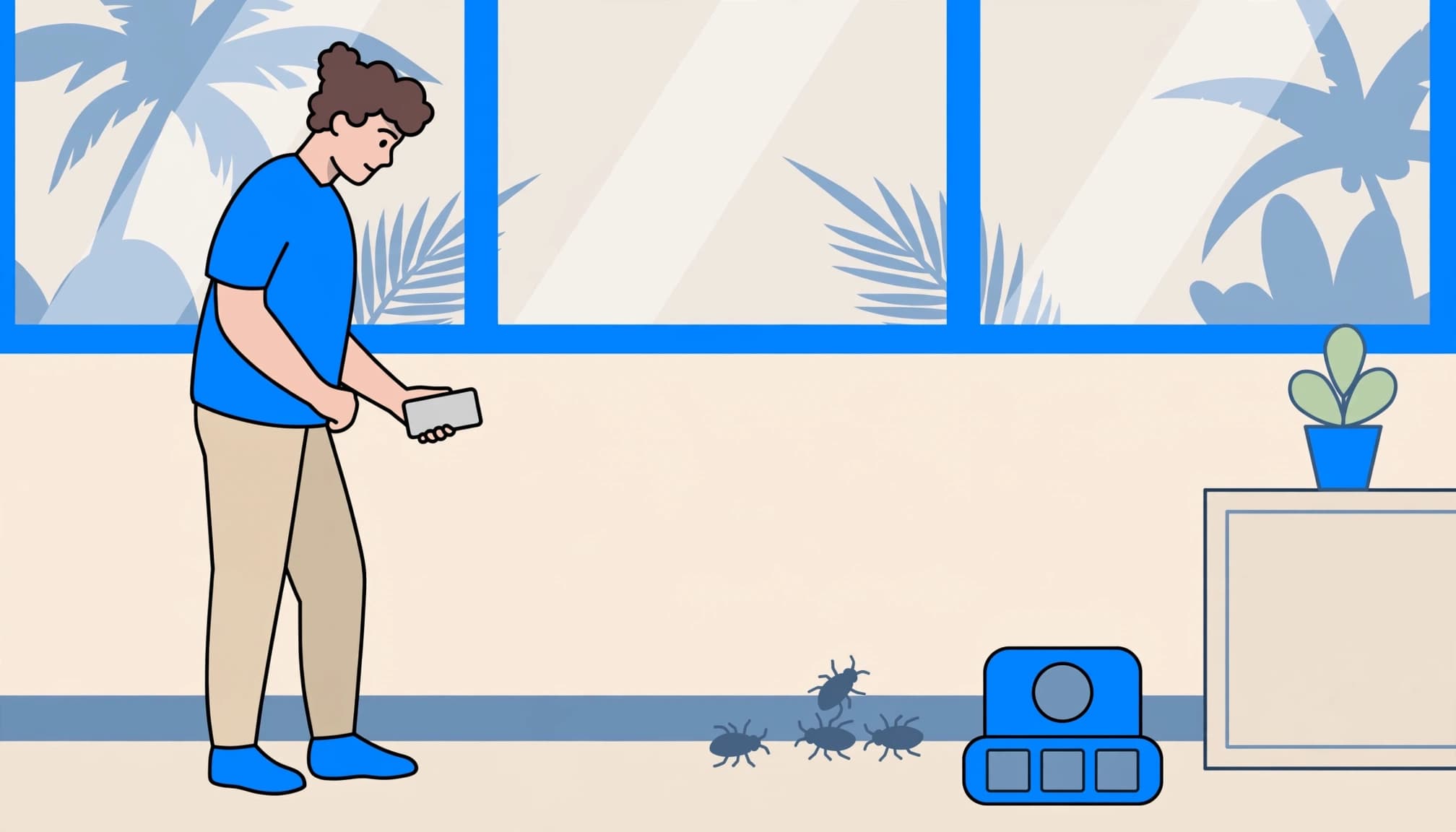
- Document the condition promptly. Take clear photographs, record active pests such as cockroaches or rodents, and keep a dated log of locations, sightings, and related leaks. Save original messages and files as documentation.
- Notify the landlord in writing. Describe the problem, when it began, and any damage. Owners should acknowledge the report and name the person coordinating the response.
- Arrange inspection and lawful access. Request professional identification and a treatment plan. For severe cases without a response, follow up in writing within 48 to 72 hours. That’s a practical follow-up target, not a statutory repair deadline.
- Close the loop with records. The tenant should request the pest company’s service report or receipt when treatment is reported complete. Record follow-up appointments, preparation requirements, and any repairs still outstanding.
Professional treatment should address entry points and moisture sources as well as active pests. Spraying alone won’t repair a damaged door seal or leaking pipe.
When choosing a licensed exterminator, verify the Florida-licensed structural pest control business and the certified operator responsible for the work. Florida’s licensing and certification requirements cover structural pest control businesses and the certified operators responsible for their work.
Routine access must respect residents’ privacy and Florida’s entry rules. An ordinary pest complaint doesn’t automatically authorize unannounced entry.
Rent, Temporary Relocation, and Legal Remedies
A maintenance request and a statutory legal notice have different purposes. Keep them separate so neither party mistakes an open work order for completed legal notice.
Temporary Vacancy for Extermination
For extermination covered by section 83.51(2)(a), a landlord requiring temporary vacancy must give seven days’ written notice. The absence can’t exceed four days, and the landlord must abate rent for that period.
This provision doesn’t automatically require hotel reimbursement. The statute says the landlord isn’t liable for damages caused by the required vacancy, though the lease and other claims may affect separate expenses.
Put treatment dates, access instructions, rent adjustments, and any agreed reimbursement in writing.
Required rent abatement during extermination is different from a tenant independently deciding to stop paying rent.
Withholding Rent or Terminating the Lease
The Florida Bar’s landlord and tenant guidance explains that rent withholding requires advance notice. A qualifying notice must identify the noncompliance and state the intention not to pay rent because of it.
Rent withholding isn’t automatic. The statutory defense concerns material noncompliance with section 83.51(1), while subsection (2) sets a separate extermination duty. Don’t substitute the broad label “implied warranty of habitability” for an analysis of the statute.
Section 83.56’s termination procedure addresses material failures under subsection (1) or material lease provisions. It requires written notice that identifies the failure and states the intention to terminate, with seven days after delivery for material compliance.
These remedies depend on the facts and statutory conditions. A Florida attorney should review the situation before rent withholding or lease termination, especially if an eviction lawsuit is filed. Court-registry deadlines can apply during a lawsuit, even while the condition remains disputed.
Frequently Asked Questions
Can a Tenant Sue a Florida Landlord for Termites?
A claim may be available when an applicable maintenance duty or lease obligation is breached and causes provable loss. Serious damage, repeated unresolved reports, and displacement deserve legal review. Termite activity alone doesn’t establish liability, and a demand for compensation doesn’t authorize withholding rent.
Must a Landlord Provide Pest Control History?
Section 83.51 doesn’t establish a general requirement to provide every new renter with a complete pest control history. That doesn’t permit concealing known damage or making inaccurate statements. We recommend retaining inspection reports, warranties, treatment records, and repair documentation so property-condition questions receive accurate answers.
Can a Tenant Request a Licensed Exterminator?
Yes. A request can specify a properly licensed pest control business and ask for documentation of professional treatment. It doesn’t automatically create a right to select the vendor, require a preferred treatment, or charge the owner for independently ordered work. Serious or recurring infestations warrant qualified assessment.
Protect the Rental With Clear Duties and Reliable Records
Florida pest control responsibility starts with the property type, but clear records make the rules easier to apply. We recommend addressing treatment and underlying repairs promptly, then resolving supported charges through the lease and lawful procedures.
Our maintenance coordination helps Southwest Florida owners organize vendor work and property records. Contact our property management team for dependable support with your rental’s maintenance needs.
A completed treatment should leave both the home and its maintenance file in better condition.