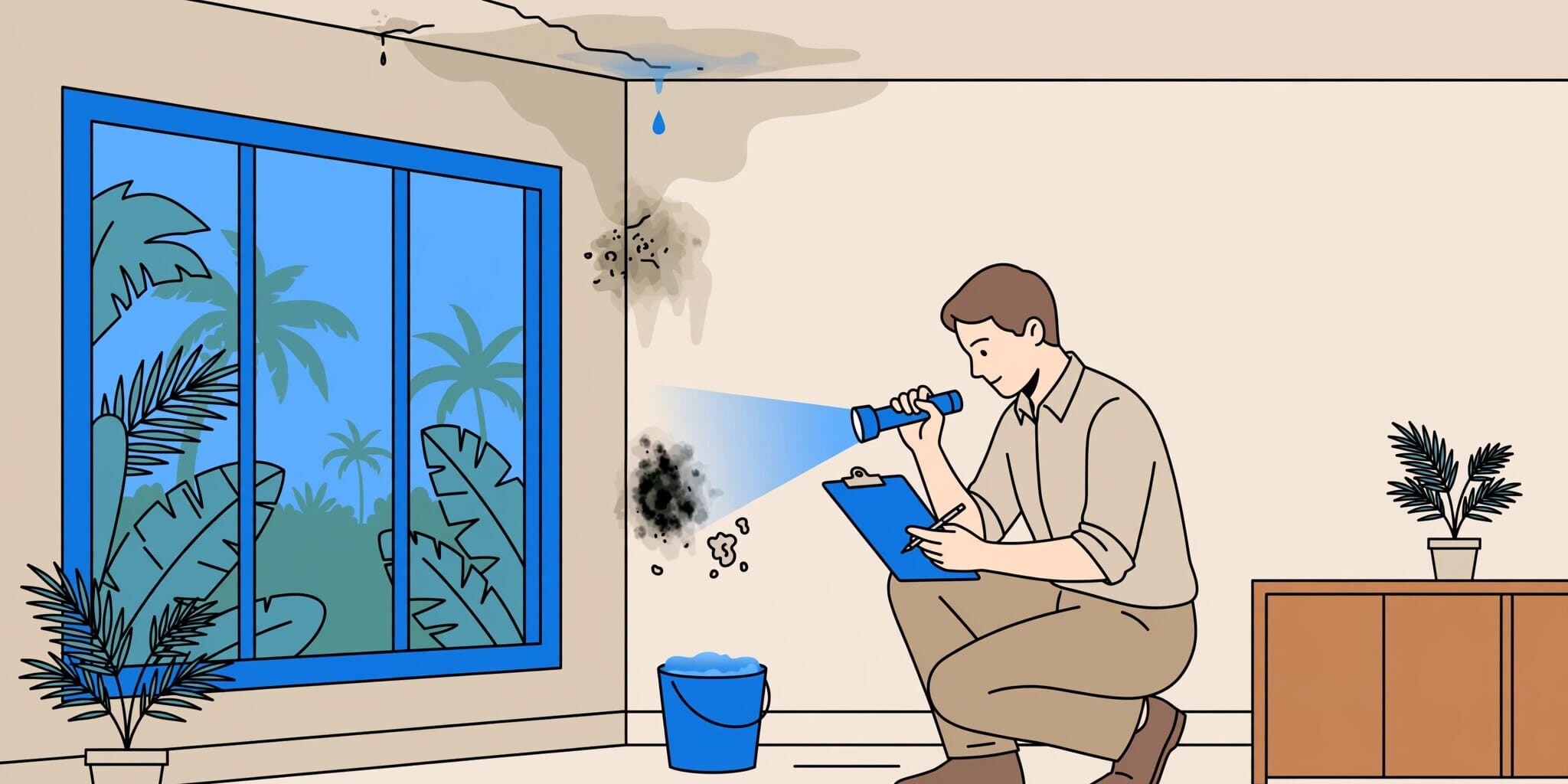
A tenant’s mold complaint can interrupt your rental plans, but a clear response helps protect both your resident and your investment in the rental property. Florida rental mold concerns deserve prompt attention, especially when leaks, storm damage, or air-conditioning problems cause water intrusion and leave moisture inside the home.
At Best Investing Realty, we recommend starting with documentation, a timely inspection, and a plan to correct the moisture source. Before discussing responsibility or lease remedies, establish what’s happening at the property.
Key Takeaways for Rental Owners
- Acknowledge complaints promptly, document conditions, and investigate moisture sources that may create health risks.
- Florida landlord-tenant law sets maintenance requirements, but there’s no single statewide mold-removal deadline.
- A mold complaint alone doesn’t let a tenant break the lease; termination and rent withholding follow separate statutory notice procedures.
- Keep repair records, tenant updates, and any relocation agreement together in the property file.
Understand Florida Rental Mold Responsibilities
Start With Maintenance Duties and Local Codes
What does Florida landlord-tenant law require when a tenant reports mold? The starting point is Florida’s landlord maintenance requirements under section 83.51.
Landlords must comply with applicable building, housing, and health codes, which local code enforcement may address. Where those codes don’t apply, the statute identifies duties involving structural components and plumbing.
Mold isn’t listed as a separate maintenance category under Florida landlord-tenant law. However, a leaking roof, damaged window, or plumbing failure may bring the complaint within those obligations.
A small surface spot doesn’t automatically establish a breach of habitability standards. Its source, extent, recurrence, and effect on the dwelling matter.
Review the Lease Without Assuming It Controls Everything
A lease agreement can establish reporting procedures and allocate certain responsibilities, but it can’t override statutory duties that aren’t legally modifiable.
For single-family homes and duplexes, section 83.51(1) permits certain obligations to be modified through a written agreement. We recommend property-specific language rather than a blanket provision making tenants responsible for every repair.
Review the signed lease, applicable codes, and maintenance history before deciding who pays. A tenant-care clause alone doesn’t prove the tenant caused the problem or foreclose statutory remedies, including a possible right to break the lease.
Respond Quickly and Document the Complaint
Record What the Tenant Reports
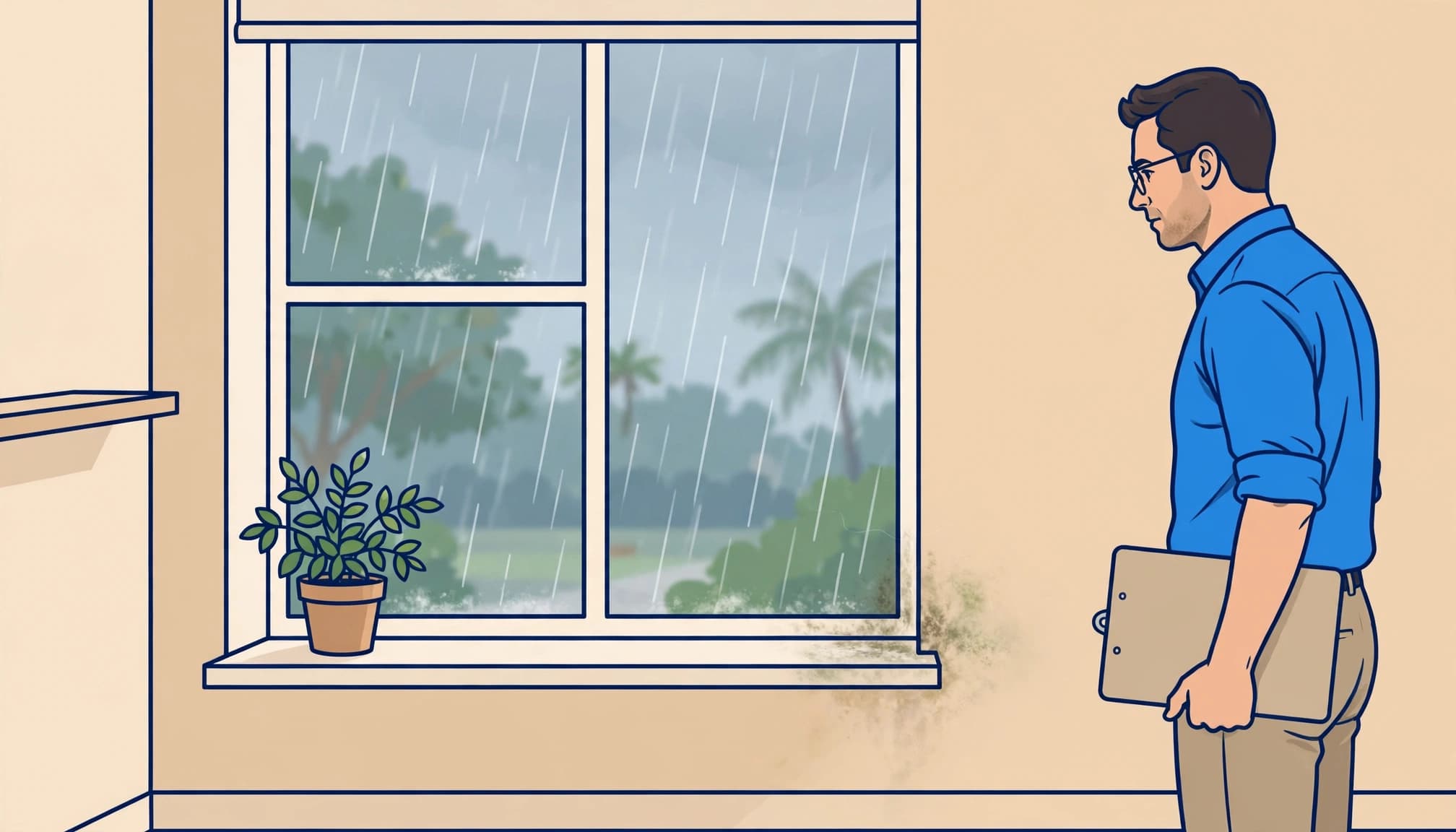
A dependable response starts with clear information. Ask where the growth appears, when it was first noticed, whether water intrusion is present, and whether the condition is spreading.
Request photographs and details about earlier leaks or repair requests. Preserve the original message, even if the property manager’s maintenance system also creates a summary.
Record the complaint date, acknowledgment, assigned vendor, and inspection arrangements. If the tenant reports breathing difficulties or other health concerns, document the statement without assessing health risks or diagnosing them.
Acknowledge reports promptly rather than waiting for a formal legal notice. Maintenance response and statutory notice procedures under landlord-tenant law are separate issues.
Arrange Access and Assess Urgency
Active flooding, electrical hazards, or suspected structural damage require an urgent response. Routine inspections of a rental property should follow Florida’s access requirements and the rental agreement.
Emergency entry may be permitted when necessary to protect or preserve the premises. Don’t treat every mold complaint as permission for unannounced entry.
If significant growth is discovered before move-in, pause the handover discussion and inspect the condition. Put any revised move-in date, payment adjustment, or decision to break the lease in writing. The phrase itself doesn’t establish a legal right to terminate.
Don’t ask a resident to accept an unresolved condition simply because the lease has already been signed.
Find and Fix the Moisture Source
Investigate Beyond the Visible Spot
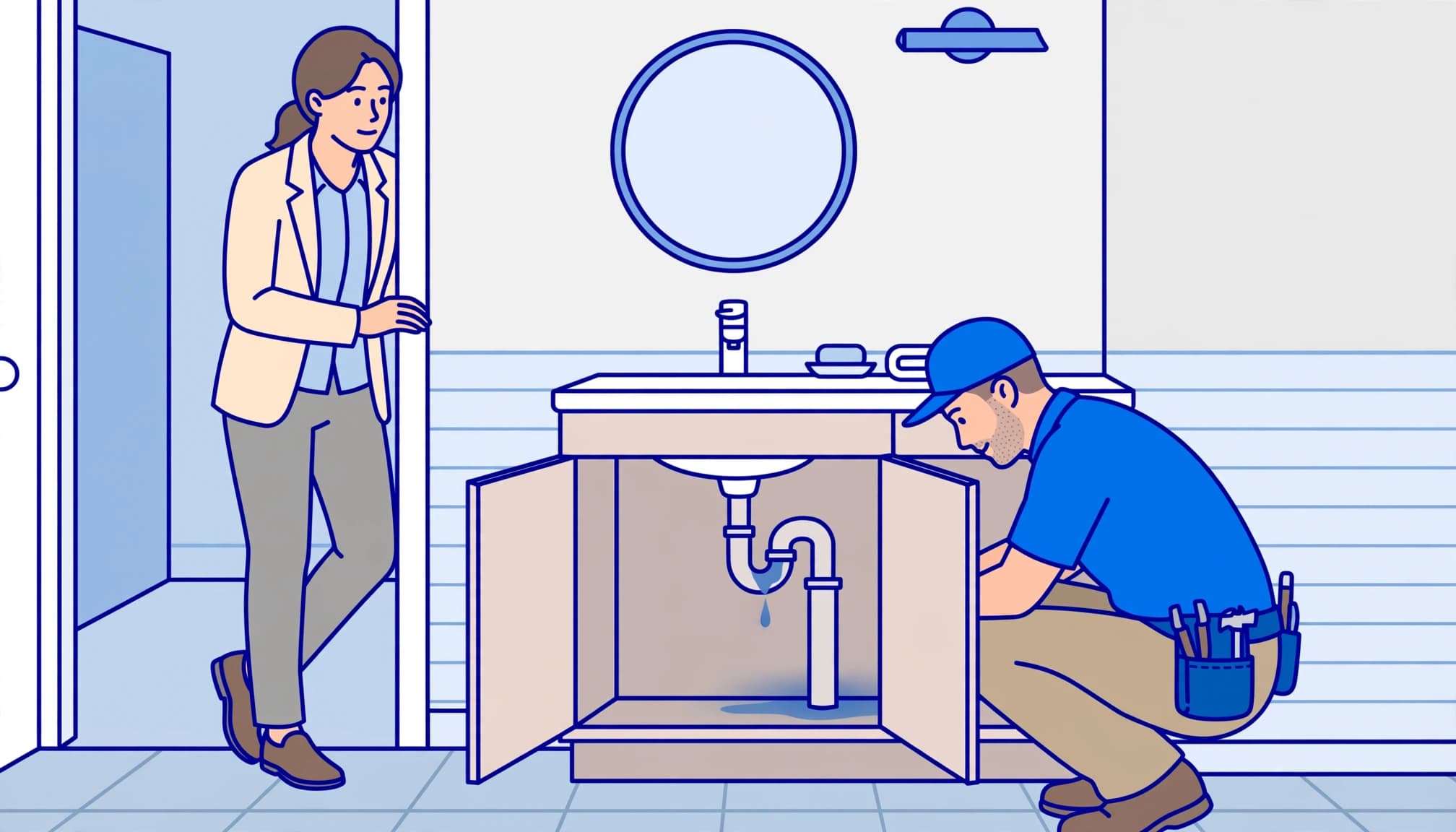
Cleaning the wall may improve its appearance, but an unresolved leak can bring the problem back. We recommend checking plumbing leaks, roof penetrations, window seals, drainage, nearby air-conditioning equipment, and signs of water intrusion.
Condensate lines, drain pans, cooling performance, and ventilation systems deserve attention in Southwest Florida rentals. A humidity monitor can provide useful information that a thermostat setting alone cannot.
Document findings with photographs, moisture readings where appropriate, and vendor observations. Note any signs of hidden or recurring moisture intrusion, and distinguish confirmed causes from possibilities.
Don’t assume tenant behavior caused elevated humidity without evidence. Equipment failure, building defects, and water intrusion may also contribute.
Match Cleanup to the Actual Condition
The EPA’s mold and moisture guidance recommends correcting water problems and drying wet materials within 24 to 48 hours to help prevent growth. Use this as a guide for mold remediation, not as a Florida statutory cleanup deadline.
Extensive damage, suspected contamination inside walls, or affected air-conditioning systems may warrant qualified professional evaluation. Ask vendors to explain the work scope, containment needs, material removal, and completion criteria.
Painting over growth doesn’t correct the underlying condition. Porous materials may require removal when they cannot be adequately cleaned and dried.
Testing isn’t automatically necessary for every visible spot. Independent testing may help answer a practical question about the source, extent, or repair plan.
Keep Tenants Informed Throughout the Repair
Clear updates help residents understand what’s happening and help you maintain a dependable property record.
Tell the tenant when the inspection is scheduled, who will attend, and what access is needed. Afterward, explain the findings in plain language and provide the next confirmed appointment.
We recommend naming a property manager or other responsible contact and giving a specific date for the next update. If scheduling changes, communicate the delay before the resident has to ask.
Keep work orders, invoices, photographs, vendor reports, and delivery records together. Separate observed conditions from assumptions about responsibility.
When work is complete, provide a written summary of the repairs and any follow-up inspection. Ask the resident to report renewed staining, odor, or moisture promptly, but don’t treat silence as proof that hidden areas are dry.
Understand Written Notices and Tenant Remedies
Lease Termination Requires More Than a Complaint
Under Florida landlord-tenant law, Florida’s material noncompliance notice procedure, section 83.56(1) addresses a landlord’s material failure to meet section 83.51(1) or material lease provisions.
The tenant’s written notice must identify the noncompliance and state the intention to break the lease. If the landlord doesn’t comply within seven days after delivery, termination may be available under the statute.
These landlord-tenant law procedures are separate from a general mold complaint. A mold complaint alone doesn’t let a tenant break the lease. Check the alleged condition, delivery method, prior repairs, access history, and work underway.
The seven-day notice period is part of a statutory tenant remedy. It isn’t a universal mold-removal deadline.
The statute also addresses circumstances involving conditions beyond the landlord’s control and reasonable repair efforts. Whether the home is untenantable, and whether the resident stays or leaves, affects whether the tenant can break the lease.
Rent Withholding Has a Separate Procedure
Section 83.60 within Florida’s residential landlord-tenant statutes addresses a noncompliance defense involving rent.
The written notice must specify the noncompliance and state the tenant’s intention not to pay rent because of it. At least seven days must elapse before that defense can be raised.
If a possession lawsuit follows, court-registry requirements may apply. Generally, the tenant must deposit rent or file a motion to determine rent within five days after service, excluding Saturdays, Sundays, and legal holidays.
Reporting mold doesn’t automatically trigger an eviction notice. A mold complaint alone doesn’t authorize withholding rent or allow a tenant to repair and deduct costs. We recommend attorney review before enforcement or legal action.
Take Health Concerns Seriously Without Diagnosing Them
A resident’s health concern deserves a respectful response, but property managers shouldn’t make medical conclusions.
The EPA’s mold health guidance notes that mold exposure can cause allergic reactions and irritation, which are potential health risks. It can also trigger asthma attacks in people with asthma who are allergic to mold.
Encourage residents with symptoms to consult a healthcare professional. Serious respiratory problems require urgent medical attention.
Appearance alone doesn’t identify a mold species or prove that growth is dangerous, even if it’s called black mold. Don’t reassure a tenant that dark growth is harmless or declare a particular species dangerous without appropriate evaluation.
A personal injury claim doesn’t follow a fixed mold-count or symptom threshold. Mold exposure alone doesn’t establish causation or liability.
If legal action is raised, preserve records and contact counsel and your insurance companies. A photograph or mold report alone doesn’t resolve liability.
Review Relocation and Disclosure Obligations
Put Temporary Housing Arrangements in Writing
Must an owner pay for a hotel when repairs make occupancy impractical? Florida’s cited landlord-tenant statutes don’t create a general mold-specific obligation to pay hotel, moving, or temporary-housing expenses.
The lease, facts, insurance coverage, and other legal claims may affect responsibility. Rent treatment can also depend on whether the dwelling is untenantable and the resident vacates. Whether a resident can break the lease may depend on the circumstances and applicable law.
We recommend a written agreement addressing dates, access, belongings, rent, and any agreed reimbursement. Avoid promising expenses before confirming authorization and coverage.
Keep Mold History Separate From Required Disclosures
Florida mold disclosure laws don’t establish a general statewide residential mold-disclosure requirement comparable to the separate flood-disclosure rule. That doesn’t permit concealing known damage or making inaccurate statements, which could expose an owner to legal action.
Under Florida landlord-tenant law, Section 83.512 requires a separate flood disclosure for residential rental agreements lasting one year or longer. It took effect October 1, 2025. The absence of broader mold disclosure laws doesn’t change that requirement.
Keep applicable disclosures, earlier moisture reports, and completed repair documentation in the leasing file. A general property-condition clause doesn’t replace required disclosure documents.
Reduce Repeat Complaints Through Routine Maintenance
Reliable moisture control supports your rental’s condition between complaints and between tenants.
We recommend keeping electricity active in vacant homes and maintaining suitable cooling or dehumidification. The EPA recommends indoor relative humidity below 60%, ideally between 30% and 50%.
Include moisture control in appropriate maintenance visits by checking filters, condensate drainage, visible roof concerns, window seals, and exterior drainage. Humidity control is prudent property care, not a universal statutory equipment requirement.
Give tenants a clear reporting route for leaks, persistent odors, and water near the indoor air-conditioning unit. Explain reasonable equipment use without shifting every maintenance obligation onto the resident.
Keep complaint handling separate from rent increases or possession decisions. Florida retaliation protections may apply, and legitimate enforcement should have its own documented basis.
Frequently Asked Questions
Is there a Florida deadline for removing mold from a rental?
Florida landlord-tenant law doesn’t set a single statewide, mold-specific removal deadline. The seven-day period in certain statutory notice procedures is not a universal mold-removal deadline.
Can a tenant break the lease because of a mold complaint?
A mold complaint alone doesn’t let a tenant break the lease. Termination may be available under statutory procedures depending on the condition, notice, and circumstances.
What should a landlord do after receiving a mold complaint?
Acknowledge the report, document the condition, and arrange a timely inspection to investigate the moisture source. Keep the tenant updated and preserve photographs, work orders, and vendor findings.
Must a landlord pay for a hotel during mold repairs?
Florida’s cited landlord-tenant statutes don’t create a general mold-specific obligation to pay hotel or temporary-housing expenses. The lease, circumstances, insurance coverage, and other legal claims may affect responsibility, so put any agreed arrangement in writing.
Protect the Property With a Complete Response
A Florida rental mold complaint is easier to manage when the response includes investigation, moisture correction, and clear records. We recommend resolving the physical condition while reviewing legal notices and disputed responsibility separately.
At Best Investing Realty, a property manager can help Southwest Florida owners coordinate maintenance and maintain organized property files. Contact our property management team to discuss dependable support for your rental.
A completed repair should leave you with a corrected moisture source, documented work, and a resident who knows what happens next.