

A rental home can produce dependable income, but city compliance needs attention before signing a lease or publishing a vacation listing. Cape Coral rental registration is an annual requirement, and the applicable fee depends on the rental period.
For investors, home buyers, and property owners, the important step is separating Cape Coral rental registration from other rules that may apply. A $35 city registration for a lease-based rental is not the same as a $350 registration for a short-term stay. Neither replaces state licensing or tax obligations.
A clear property file, a reliable renewal calendar, and the right rental strategy can keep this administrative task from becoming an expensive problem.
Cape Coral rental registration: Who Needs to Act?
Cape Coral began requiring annual rental property registration for residential rental properties on January 1, 2026. The City Council enacted the change through Ordinance 53-25, with Resolution 279-25 setting the fee schedule. The city’s 2026 rental registration update confirms these registration requirements apply to rentals throughout the city.
The registration follows the property, not an owner’s entire portfolio. If you own three rental homes, review and register each address separately.
Residential Property Types Included
The requirement covers more than vacation homes. Cape Coral includes single-family homes, duplexes, condominiums, and multifamily dwellings in its residential rental property registration program.
That matters for buyers purchasing a home with an existing tenant. The seller’s prior registration should not be treated as your ongoing approval. New owners should verify the property’s status, confirm the renewal date, and complete their own registration within the required timeframe.
The Rental Term Determines the Category
Cape Coral separates rentals by rental type and tenancy length. Properties rented for more than six months are long-term rentals. Properties rented for six months or less are short-term rentals.
The label on your listing does not control the classification. Your lease, booking records, and actual rental period should all support the registration type you select. We recommend deciding on the rental strategy before marketing the home, not after the first reservation arrives.
Annual Fees for Long-Term and Short-Term Rentals
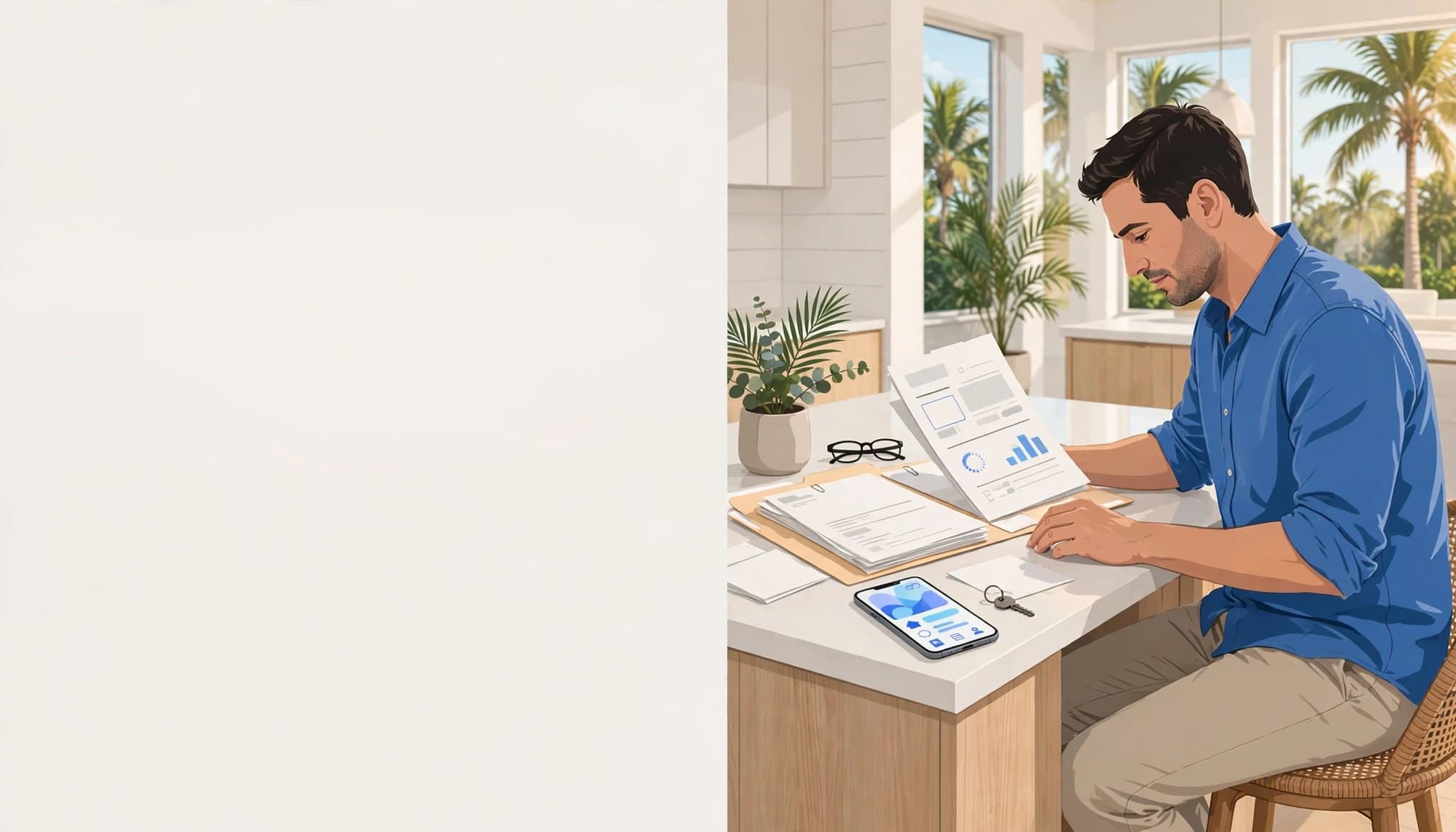
The city’s annual registration fee is straightforward once the rental type is clear. Resolution 279-25 and current city materials distinguish stays by their lease length, not vacancy between guests.
| Rental Type | City Definition | Annual registration fee |
|---|---|---|
| Long-term rental | Rented for more than six months | $35 per property |
| Short-term rental | Rented for six months or less | $350 per property |
The fee is billed annually for each registered property. A portfolio owner should budget per address, even when one manager, entity, or billing contact handles every home.
Long-Term Rental Registration at $35
A lease longer than six months qualifies as a long-term rental under the city program. The $35 fee is a modest operating cost, but it still belongs on the owner’s compliance calendar.
Long-term rentals often bring steadier occupancy and fewer turnovers. They can work well for homes that appeal to families, professionals, and seasonal residents seeking space, garages, screened lanais, or pet-friendly terms.
Short-Term Rental Registration at $350
Vacation rentals and other stays of six months or less require the $350 fee. This higher amount reflects the city’s short-term classification, not the rent collected.
If applicable, a vacation rental certificate is a separate state credential from the city’s registration fee. The required vacation rental certificate, when applicable, isn’t included in the $350 city charge.
Short stays may generate stronger gross revenue during busy periods, but they also bring cleaning, furnishing, guest communication, maintenance coordination, licensing, and tax responsibilities. Before choosing this route, compare the full annual cost with your available time and management plan.
Using the EnerGov Registration Portal
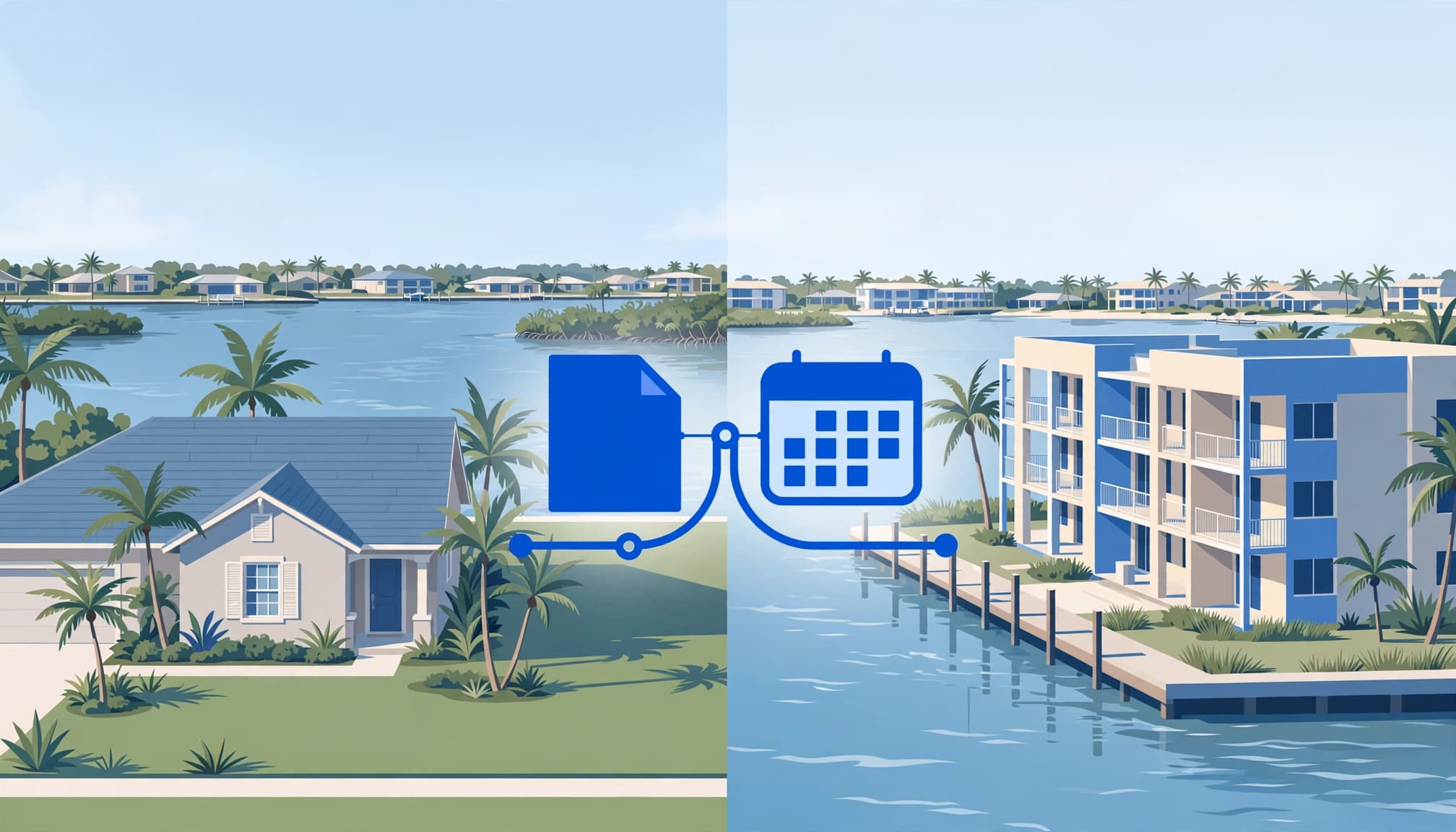
Cape Coral processes registrations and renewals online through EnerGov Citizen Self Service, the Energov CSS portal. The city directs owners to its rental property registration requirements page for rental registration portal access, current instructions, fees, and renewal details. This city registration doesn’t replace any separate vacation rental certificate, state credential, or tax registration that may apply.
Don’t wait until a tenant is moving in or a guest has already booked. Registration belongs in the acquisition and leasing timeline, beside insurance, lease preparation, and utility planning.
Details to Gather Before Starting
Have the basic property and contact information ready before opening the portal. A prepared file reduces delays and helps keep the city record consistent.
Keep these details available:
- The rental property’s street address and parcel information.
- Owner and responsible-party contact details.
- The rental classification, long-term or short-term.
- A current mailing address, phone number, and email for notices.
- Payment information and a place to save the registration receipt.
If a property manager submits the registration through the Energov CSS portal, confirm who controls the EnerGov Citizen Self Service account and who receives renewal notices. The owner remains responsible for keeping the record current.
The City Clerk’s Role
The City Clerk’s Department administers the program and processes registrations and renewals. It is the right city contact when you need help with account access, registration records, or questions about a notice.
Keep copies of confirmations, receipts, and city correspondence with the lease, insurance declarations, inspection records, and tax documents. When Code Compliance asks a question, an organized file makes all the difference.
Renewal Dates and Ownership Changes
Registration isn’t a one-time task. Each property must renew annually, with the original registration anniversary date generally determining the due date instead of January 1. Verify the current city instructions before relying on this schedule.
That detail is easy to miss when you own several homes. We recommend keeping one compliance calendar with a separate entry for every address.
Follow the Anniversary Date
Renewal notices generally go to the billing contact on file. Keep that information current, and verify the notice recipient in the city portal. A missed email can lead to a late renewal even when the property is otherwise well managed.
Set a reminder 60 days before the anniversary date, then another reminder 30 days before it. Save the completed renewal receipt as soon as payment is made.
Update Registration Information Promptly
Changes in ownership, management, mailing address, phone number, email, or responsible person should be reported. City ordinance materials state that changed registration information must be updated within 30 days, but owners should confirm the current requirement with the city.
A property transfer deserves extra attention. If you purchase an occupied rental, review the registration, renewal date, lease, security-deposit records, and contact details as part of the closing follow-up.
A prior owner’s registration does not remove a buyer’s responsibility to confirm the property’s current status after closing.
Late Fees and Enforcement Provisions
Current city materials list a $50 fine for failing to register or renewing more than 30 days after the anniversary date. Either issue may also be referred to Code Compliance.
The $50 amount shouldn’t be treated as the full financial exposure. Civil penalties can vary by the violation, rental category, owner history, and whether repeat offenses are involved.
These enforcement provisions may apply differently as violations escalate. The most affordable approach is simple, register on time and renew before the 30-day late window closes.
Keep records showing the registration date, renewal date, payment confirmation, responsible contact, and city communications. Those records are especially helpful when a manager or ownership entity changes.
Why a Missed Renewal Can Cost More
A late filing can create city correspondence, Code Compliance involvement, and unnecessary time away from running the property. Check the applicable notice or ordinance for how repeat offenses are treated.
Misclassifying a Short-Term Rental Is Risky
A short-term rental improperly registered as long-term can face more serious enforcement. City materials and enforcement notices distinguish among late renewal, failure to register, misrepresenting the rental type, and other violations.
Penalty schedules may differ by violation and may change through updated ordinances or enforcement action. Review the notice you receive and confirm the current fine schedule with the City Clerk’s Department. Don’t assume every issue carries the same fine.
Extra Requirements for Short-Term Rentals
City registration is only one part of a larger short-term rental plan. A Cape Coral vacation home may also need state licensing, tax compliance, Lee County tourist development tax handling, and a local business tax receipt.
These responsibilities are separate. Paying the $350 Cape Coral rental registration fee doesn’t replace them.
State Licensing and Tax Responsibilities
Florida DBPR generally uses the term license, not a universal vacation rental certificate. Many vacation rentals need a Florida Department of Business and Professional Regulation license. Review the DBPR vacation rental license application before advertising or accepting reservations.
The city’s registration isn’t a vacation rental certificate and doesn’t replace an applicable DBPR license. Some property-specific materials may refer to a vacation rental certificate, so verify the issuing agency and requirements. Don’t assume a vacation rental certificate applies to every property.
Qualifying transient stays may be subject to Florida state sales tax, discretionary surtax, and Lee County tourist development tax. Owners may need to collect and file tourist development tax separately from other Florida taxes.
A booking platform may collect some tourist development tax, but don’t assume it registers, files, or pays every amount due for your address, including state sales tax.
Keep state sales tax and other taxes collected from guests separate from rental revenue in your accounting records. They aren’t operating income.
Local Business Rules and Property Restrictions
Cape Coral may require a local business tax receipt for rental activity. Review the city’s current business tax receipt information before operating.
The local business tax receipt is separate from Cape Coral rental registration. A property may meet city registration requirements but still need this separate approval.
Before launching the property, confirm HOA rules, condominium documents, parking limits, occupancy rules, local permits, insurance coverage, and any current operating conditions. Obtain a local business tax receipt when required.
A Practical Owner Compliance Checklist
A dependable system protects the investment long after the first registration is complete. We encourage owners to review this list before marketing a new rental and again before every renewal.
- Decide whether the home will operate as a long-term or short-term rental.
- Register each Cape Coral residential rental property through the Energov CSS portal.
- Save the receipt and record the anniversary date for every property’s renewal.
- Update ownership, management, and contact changes within 30 days.
- Confirm city registration, DBPR licensing, tourist development tax, state sales tax, local business tax receipt, HOA rules, and insurance coverage for short-term rentals. Check whether a vacation rental certificate is a currently applicable state credential. Verify the official terminology for any vacation rental certificate before relying on it.
- Keep leases, booking records, tax filings, notices, and payment confirmations in one property-specific file.
Key Takeaways
The city’s rental registration program applies annually to residential rental properties, including single-family homes, condos, duplexes, and multifamily rentals. Long-term rentals cost $35 per property each year, while short-term rentals cost $350 per property.
The renewal date follows the original registration anniversary, not the calendar year. A missed renewal can trigger a $50 fine and Code Compliance referral, while more serious violations can carry additional civil penalties.
For vacation rentals, city registration is only one requirement. A vacation rental certificate, tourist development tax, state sales tax, and local business tax receipt may be separate obligations, so verify which requirements apply. State licensing, taxes, local business rules, and association restrictions still need attention before the property is advertised.
Frequently Asked Questions
Does Every Cape Coral Rental Need Registration?
Residential rentals in Cape Coral, including single-family homes, duplexes, condominiums, and multifamily dwellings, must be registered annually. The fee depends on whether the rental period is longer than six months or six months or less.
For short-term stays, city registration is separate from any applicable state credential, including a vacation rental certificate. If required for your property, that vacation rental certificate is a separate compliance matter. Qualifying transient stays may also trigger a separate Lee County tourist development tax. Verify current city fees, licensing requirements, and tourist development tax rules before advertising or accepting bookings.
When Is a Renewal Due?
Your renewal is due on the anniversary of the original registration date. It is not automatically due on January 1. Keep the billing contact current so renewal notices reach the right person, and verify current renewal deadlines with the city.
Does a Property Manager Handle the Owner’s Responsibility?
A property manager can help submit registrations, track renewal dates, maintain records, and coordinate compliance. This may include tracking any required vacation rental certificate and local business tax receipt. The owner should still confirm the registration category, account access, billing contact, current fees, licensing requirements, and completed filing for each property. Verify that any applicable taxes and deadlines are also addressed, rather than assuming a manager or booking platform handles every obligation.
Keeping Your Rental Plan on Track
Cape Coral’s registration rules are manageable when they become part of your regular property routine. Classify the rental correctly, register each address, and track the anniversary date. Keep city registration separate from short-term licensing, tourist development tax, and local business obligations. Check current official requirements to confirm whether a vacation rental certificate or local business tax receipt applies.
For help with rental pricing, leasing, inspections, accounting, maintenance, and ongoing compliance, contact a Cape Coral property management team. A well-organized rental plan protects your time, your property, and your long-term investment goals.