
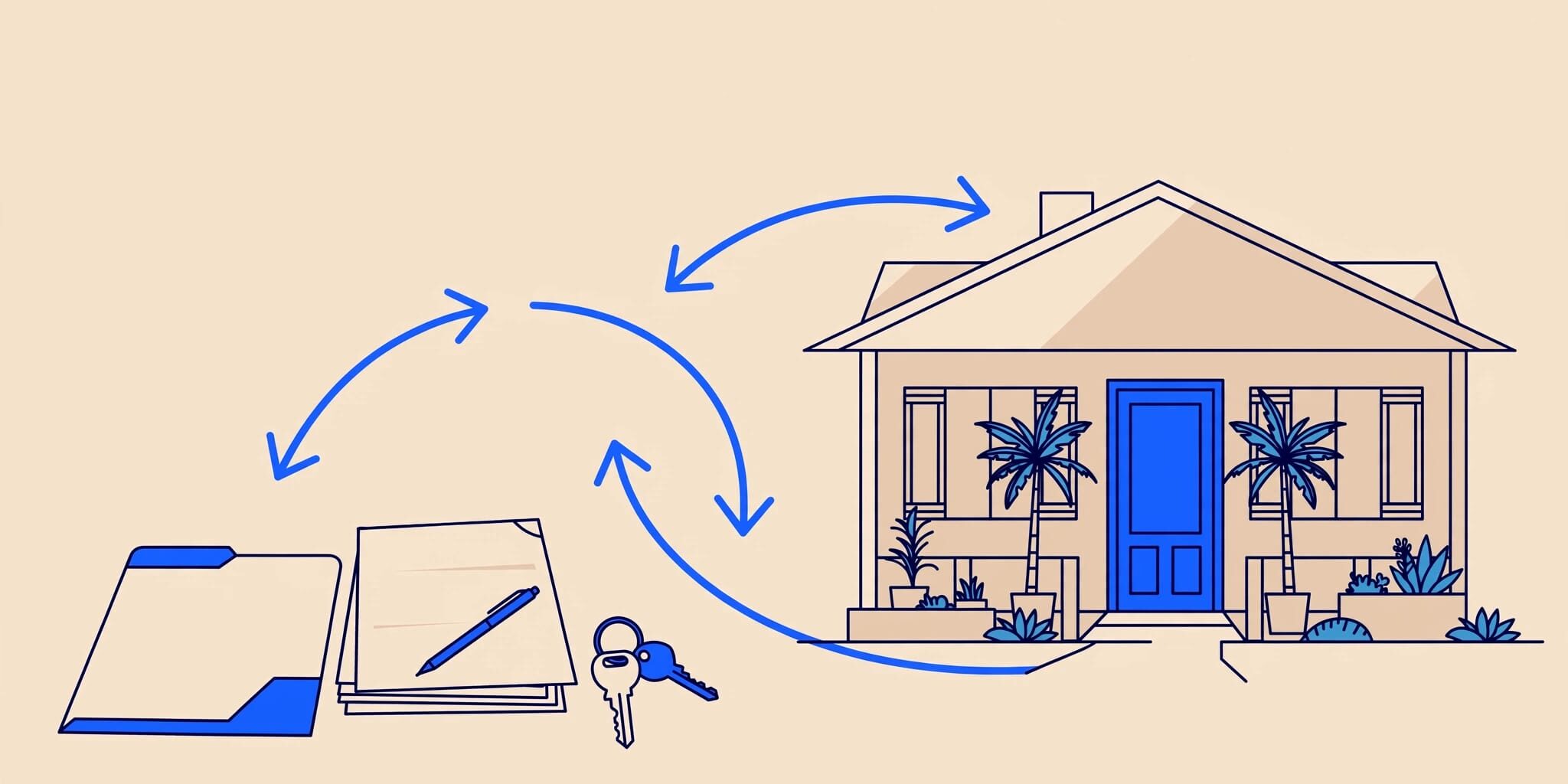
A lease’s end date can arrive quickly, but related decisions affect rental income, tenant retention, and the home’s condition. A well-managed Florida lease renewal gives both sides clear choices before the final month becomes a problem.
Landlords want stable income and fewer avoidable vacancies. Tenants need to know the new terms, response deadline, and what happens if they move. A written plan keeps the process clear from the renewal offer through final signatures.
Key Takeaways
- A Florida lease renewal starts with the existing lease. A lease with a stated end date usually ends then unless both parties sign a renewal agreement or another written document changes the terms.
- Leases that continue from month to month may follow different notice and termination rules than leases with a stated end date.
- Florida does not set a general statewide cap on residential rent increases, but lease terms, local rules, fair housing laws, and retaliation protections still apply.
- A lease may require 30 to 60 days’ advance notice before the stated end date. The written agreement controls when that requirement is valid.
- Don’t treat a text, phone call, or casual email as a lease amendment. Put accepted terms in writing.
- A tenant who remains without permission after expiration may face a possession case and double-rent liability.
- Good records matter. Keep the lease, offer, signed agreement, notices, delivery proof, rent ledger, and tenant communications together.
Florida Lease Renewal Rules Start With the Existing Lease
A Florida lease renewal starts with the signed lease agreement, which controls the lease expiration date, notice clause, rent, and any automatic renewal clause. Review the renewal language, pet terms, maintenance duties, and approved addenda. Read an automatic renewal clause for its deadline, fee, and required response.
Florida’s residential landlord and tenant rules appear in Florida Statutes Chapter 83. The statute matters, but so does the agreement the parties already signed.
A Fixed-Term Lease Usually Ends on Its Stated Date
A fixed-term lease generally ends on its stated date unless the parties sign a renewal agreement or the contract provides otherwise. During the term, the agreed rent normally stays in place.
A rent increase during the term requires an escalation clause or a written amendment signed by both parties. Without one, wait for the renewal term before proposing new pricing or other material changes.
Periodic Tenancies Follow a Different Clock
A month-to-month tenancy doesn’t have the same ending date as a lease with a stated term. Check the lease’s notice period and contractual deadline, then compare them with the statutory notice under Florida Statute 83.57, generally at least 15 days before the monthly period ends.
A rent increase notice isn’t automatically a termination notice. An owner may end the existing tenancy under the proper deadline and offer continued occupancy at a new rate. The tenant can accept the new terms or move before the next rental period begins, and acceptance of rent alone doesn’t necessarily create an automatic renewal.
Plan the Florida lease renewal Before the Final Month
We recommend beginning the review 60 to 90 days before a fixed-term lease ends. That’s a practical management timeline, not a universal Florida legal deadline. It gives owners and tenants time to assess pricing, property condition, tenant history, and expected vacancy costs.

Use a Clear Renewal Decision Process
A property manager should review payment history, maintenance communication, documented lease violations, inspection records, and tenant retention needs before setting the rental price.
A reliable tenant who pays on time and cares for the property may be worth retaining. A larger increase can look attractive on paper, but turnover may cost more.
Turnover can bring cleaning, repairs, advertising, vacancy, utility costs, and lost time. Compare market rent through a rental analysis before setting new terms.
A renewal offer should state the proposed renewal term, response deadline, and move-out alternative. Once accepted, record the terms in a renewal agreement.
Follow the Contractual Notice Window
Florida Statute 83.575 allows a lease agreement to require advance written notice before a fixed-term lease ends. The statutory notice period cannot be less than 30 days or more than 60 days.
If the lease includes a notice period, calendar the deadline early. A lease clause may authorize liquidated damages when a tenant misses that deadline, but the landlord must satisfy additional reminder requirements.
A landlord seeking liquidated damages must deliver a reminder within 15 days before the tenant’s required notice window begins. The reminder must identify applicable fees or penalties.
Missing the reminder deadline can weaken a liquidated damages claim. Keep proof of delivery and relevant lease records to support a liquidated damages claim.
A missed reminder date can weaken a liquidated damages claim, even when the lease includes a notice clause.
Rent Increases at Renewal Need a Fair, Written Basis
Florida lease renewal decisions generally aren’t subject to a statewide percentage cap for residential rent. That doesn’t give landlords a reason to send rushed notices or apply inconsistent pricing. A rent increase should have a fair, documented basis. Consider the lease, market rent, property condition, operating costs, rental demand, and local requirements.
Set the New Rent for the Next Term
A renewal offer should identify the current rent, new rent, and renewal term. It should state the response deadline, any lawful renewal fee, and move-out instructions if the tenant declines.
State when the rent increase becomes effective and how the tenant should respond. If accepted, put the agreed terms in a signed renewal agreement.
Insurance costs, repairs, improvements, and rental demand may support the proposed rental price. Documented lease violations may be considered, but landlords must handle them consistently and lawfully. A price increase can’t be based on a tenant’s race, color, religion, sex, national origin, disability, familial status, or other protected status. Retaliation is also prohibited.
Check Local Rules Before Sending Notice
A non-renewal notice is different from a rent increase notice. One ends the tenancy, while the other changes the price for a new term.
Local requirements can add a notice obligation. For example, Miami-Dade County’s Fair Notice ordinance may require 60 days’ written notice for qualifying residential increases above 5 percent.
Verify the current county or municipal rule before relying on this example. Review the property’s exact location before selecting the effective date. A requirement that applies in Fort Myers or Cape Coral may not answer every question for a property elsewhere.
The Florida Senate’s current Chapter 83 text is a useful starting point, but local requirements and lease terms still need a separate review.
What Happens After Lease Expiration
The period immediately after lease expiration creates some of the most expensive misunderstandings. The result can depend on written permission, the parties’ actions, and how rent is handled.
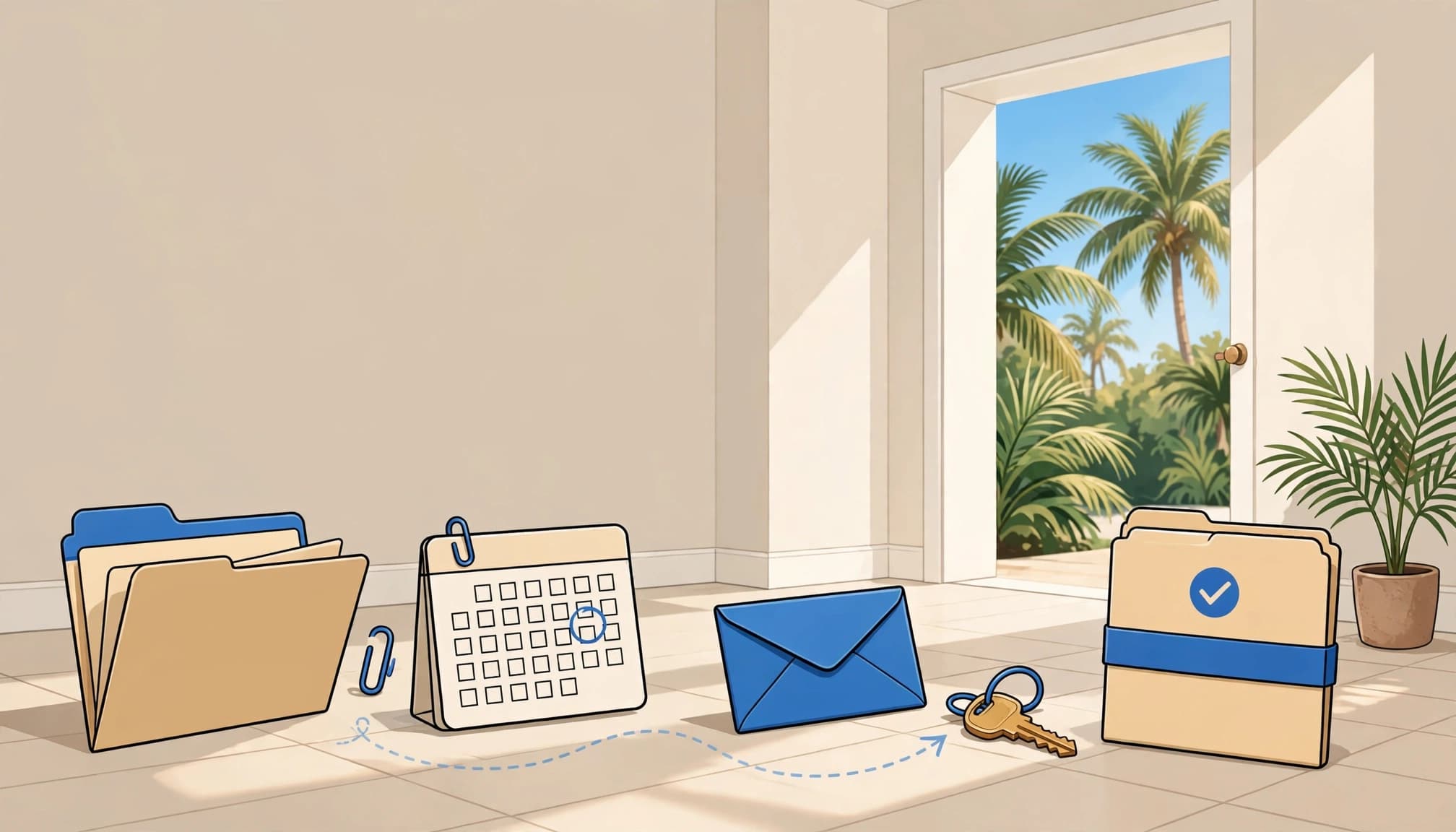
Permission to Stay Must Be Documented
If a tenant needs a few extra days, document the arrangement before the term ends. Use written notice to confirm the approved move-out date, daily or monthly charge, and utility responsibility.
Treat the arrangement as a short extension, not a full renewal agreement. State that it doesn’t create an unintended long-term renewal.
A holdover tenant is someone who remains in the rental after the agreed term ends. The payment or acceptance of rent doesn’t automatically renew an expired fixed-term lease. If the landlord gives written permission for continued occupancy, the arrangement may become a tenancy at will. Clear written terms avoid mixed messages.
Holdover Without Consent Can Be Costly
A tenant who stays after the term ends without the landlord’s permission becomes a holdover tenant and may face a possession action. Under Florida Statute 83.58, the landlord may also seek double rent for the period the tenant refuses to surrender possession.
Double rent isn’t an automatic response to every late move-out. It applies when the tenant remains without consent. Landlords should never change locks, shut off utilities, or use other self-help methods to regain possession.
Sign the Renewal and Update Required Documents
A completed Florida lease renewal should be easy to understand. The renewal agreement should identify the parties, rental address, new renewal term, monthly rent, due date, security deposit terms, renewal start date, and every provision being changed in the lease agreement.
Electronic Signatures Can Simplify the Process
Electronic signatures can make the process more convenient for owners and tenants. An electronic renewal agreement still needs clear terms and complete disclosures.
Electronic signatures require the right written consent and delivery setup under Florida’s electronic-delivery rules. Email delivery also needs care. Electronic signatures don’t fix unclear terms, missing disclosures, or an incorrect notice date.
Keep records showing how electronic signatures were collected, along with the signed addendum, email addresses, delivery record, and final executed renewal agreement.
Witnesses and Notarization Usually Are Not Required
An ordinary residential lease renewal doesn’t usually need subscribing witnesses or notarization to be enforceable between landlord and tenant. Recordation is a separate issue that may involve different execution rules.
The Florida Bar’s overview of lease witnesses explains why older assumptions about two subscribing witnesses don’t apply to every lease.
Review Radon and Flood Disclosures
Florida requires a radon gas disclosure in residential rental agreements. The Florida Department of Health’s radon guidance explains the required warning and health information.
For qualifying residential leases of one year or longer, review the separate flood disclosure requirement that took effect October 1, 2025. Confirm that the current radon gas disclosure is included. Check the property, renewal length, and current law before signing.
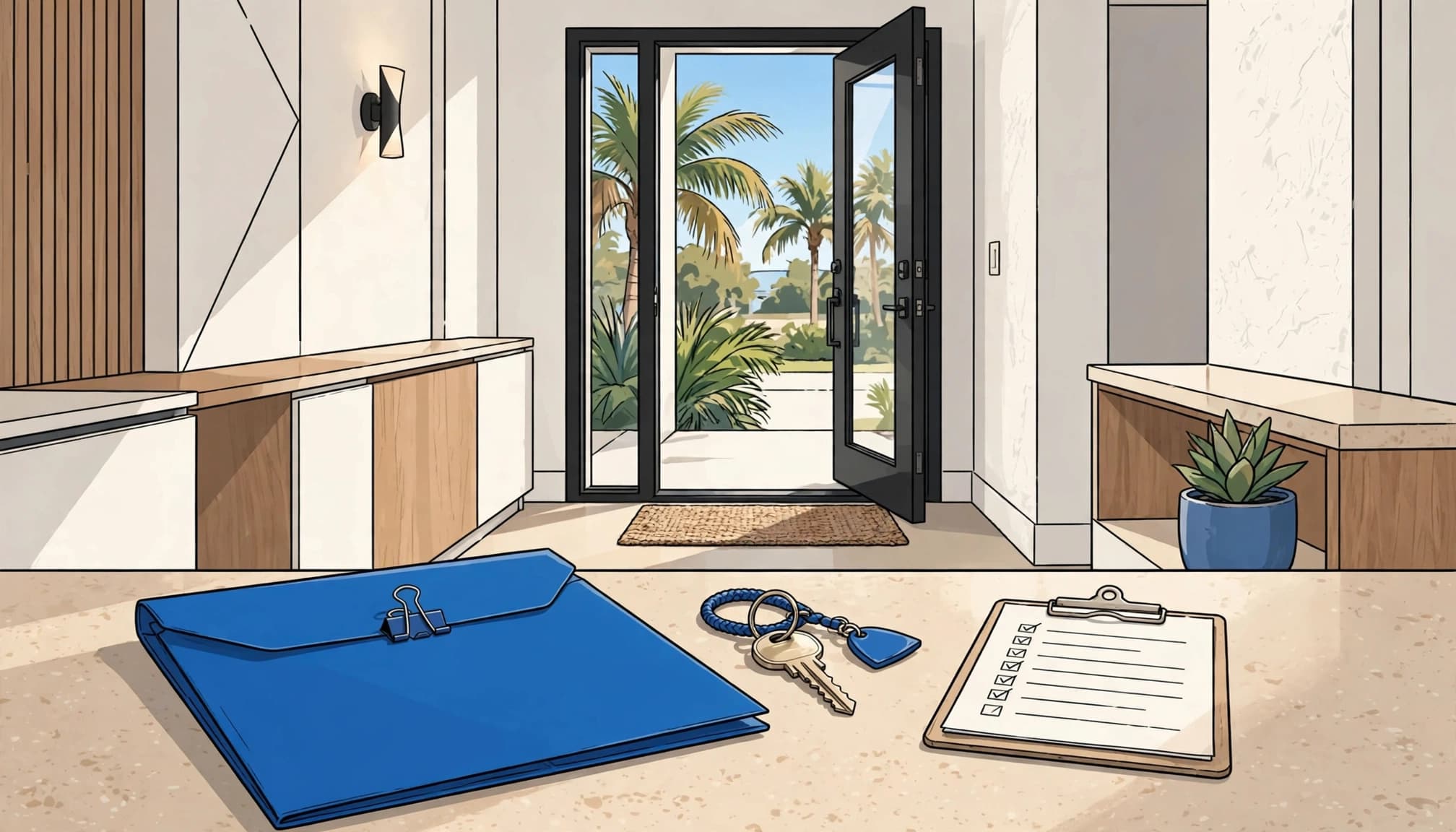
Keep One Complete Lease Management File
A clean Florida lease renewal file protects the owner and gives the tenant confidence that the process is fair. A property manager’s organized file should include the original lease, renewal offer, rental analysis, inspection notes, signed renewal agreement, notices, delivery proof, and payment records. Keep the final file copy of the renewal agreement with any addendum completed through electronic signatures.
Avoid informal mid-term changes. A quick text or phone conversation may help with communication, but it doesn’t replace a written amendment. Retain reminders, delivery proof, and notice records, including electronic signatures, to evaluate any liquidated damages claim and determine whether liquidated damages are supported by the lease.
If the renewal includes an additional security deposit or renewal fee, document each clearly in the written terms. A renewal fee should be supported by the lease and applicable law. Keep security deposit records separate from rent records, because deposits are different obligations and must follow Florida rules.
Frequently Asked Questions
Can a Landlord Raise Rent During a Fixed-Term Lease?
Usually not, unless the lease agreement includes a valid rent-adjustment clause or both parties sign a written amendment. A landlord can offer a different rent amount for the next renewal term.
A three-day notice addresses unpaid rent. It isn’t a rent increase notice or a renewal form, and it shouldn’t announce new pricing.
Does Unconditional Rent Acceptance Create a Month-to-Month Tenancy?
Not by itself. Florida law does not treat payment or acceptance of rent alone as an automatic renewal of an expired fixed-term lease or a month-to-month tenancy.
Written permission and the parties’ conduct matter. A month-to-month tenancy generally requires an agreement for periodic occupancy. Written terms in a renewal agreement help establish whether payment covers a renewal, a temporary extension, or use and occupancy while the parties resolve the next step.
For periodic occupancy, Florida’s statutory notice rule may apply. A lease-specific notice clause can also set renewal procedures.
What Is a Holdover Tenant?
A holdover tenant remains in the rental after the lease expires without a signed extension or other clear permission. Continued occupancy doesn’t automatically create a new lease, so landlords should document whether they accept rent, approve a temporary extension, or require the tenant to leave.
Are Liquidated Damages Required When Notice Is Missed?
Some leases include liquidated damages provisions tied to missed renewal or move-out reminders. A liquidated damages clause should clearly explain the reminder requirement and the circumstances that may trigger payment.
A missed reminder doesn’t automatically create liquidated damages liability. Review the lease language and the parties’ written communications before treating liquidated damages as owed.
A Clear Renewal Protects the Rental Relationship
The strongest Florida lease renewal is timely, written, and based on the actual lease, not assumptions about a statewide deadline. Review the property’s location, set fair terms, and document each decision before lease expiration. The correct non-renewal notice deadline depends on the lease, tenancy type, and local rules, so address any holdover early.
For support with rental pricing, lease administration, tenant communication, and compliance planning, contact a Southwest Florida property management team. A written renewal agreement should state the renewal term, while clear records help protect both the property and its long-term income.
This article provides general information, not legal advice. Landlords or tenants should consult a Florida landlord-tenant attorney when an automatic-renewal clause, notice dispute, security-deposit issue, local ordinance, or holdover matter is unclear.