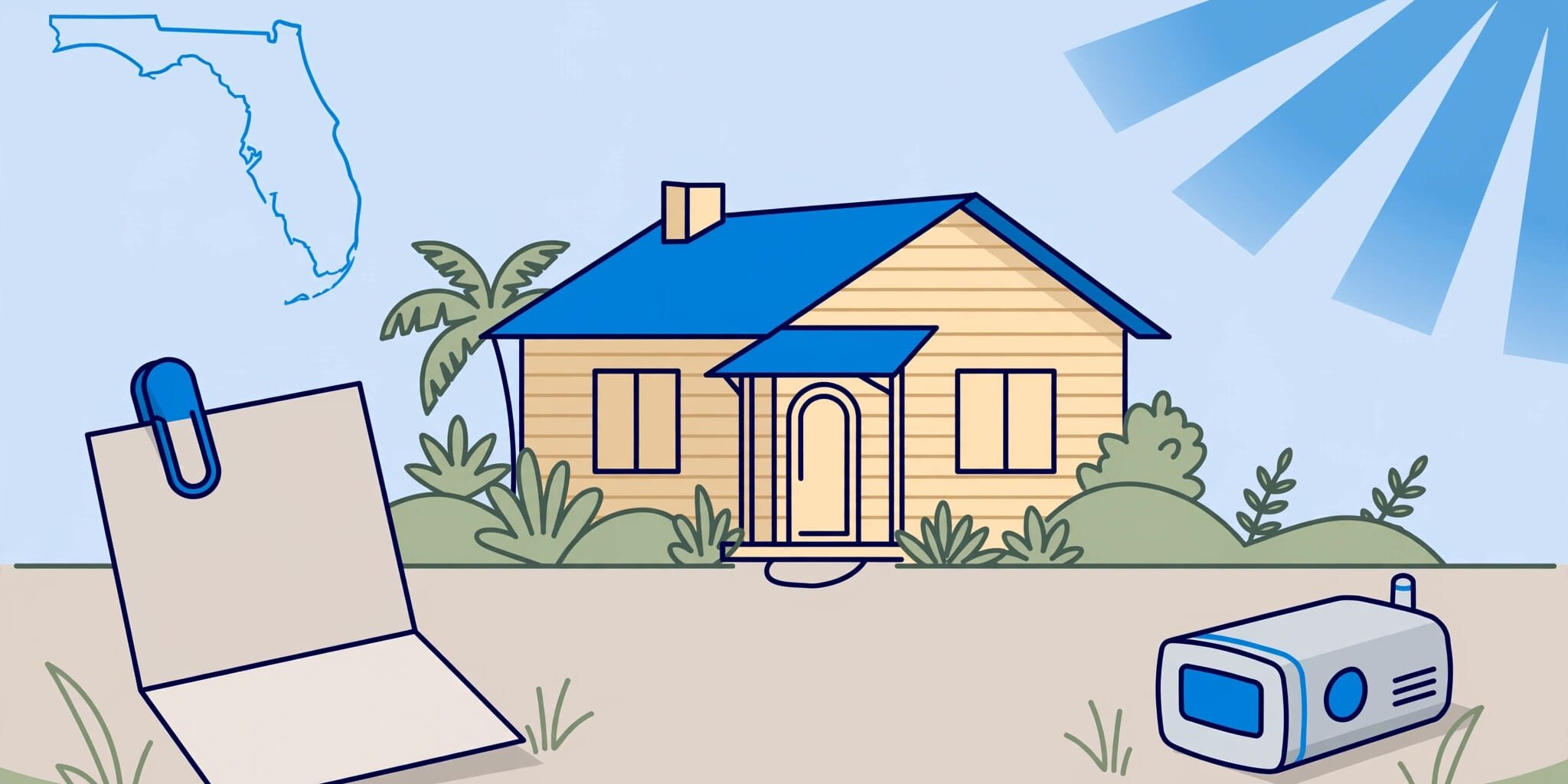
Florida landlords must provide the statutory radon warning on at least one executed document. It must be delivered at or before the rental agreement is executed, unless the specific transient-occupancy exemption applies. Florida radon disclosure is a notice requirement, not a general requirement to test every rental home.
For owners, clear lease preparation helps protect the investment and gives residents useful information before they commit. At Best Investing Realty, we recommend handling this disclosure early, alongside the property’s other required documents.
Start with the prescribed language, then keep testing recommendations and property-specific concerns separate.
Key Takeaways for Rental Owners
- Include the statutory warning on at least one document executed at or before lease signing.
- The exemption covers qualifying residential transient occupancy of 45 days or less, not every short lease.
- Ordinary residential transactions don’t require radon testing under this disclosure provision.
- Use Florida-certified professionals for paid testing or mitigation, and retain reports with the property records.
The Required Florida Radon Disclosure Language
Florida Statute 404.056 requires notification on at least one document, form, or application executed at or before the purchase contract or rental agreement. The current notification provision appears in Section 404.056(5), although older versions placed it in subsection (6).
Use the prescribed notice rather than a shortened summary:
RADON GAS: Radon is a naturally occurring radioactive gas that, when it has accumulated in a building in sufficient quantities, may present health risks to persons who are exposed to it over time. Levels of radon that exceed federal and state guidelines have been found in buildings in Florida. Additional information regarding radon and radon testing may be obtained from your county health department.
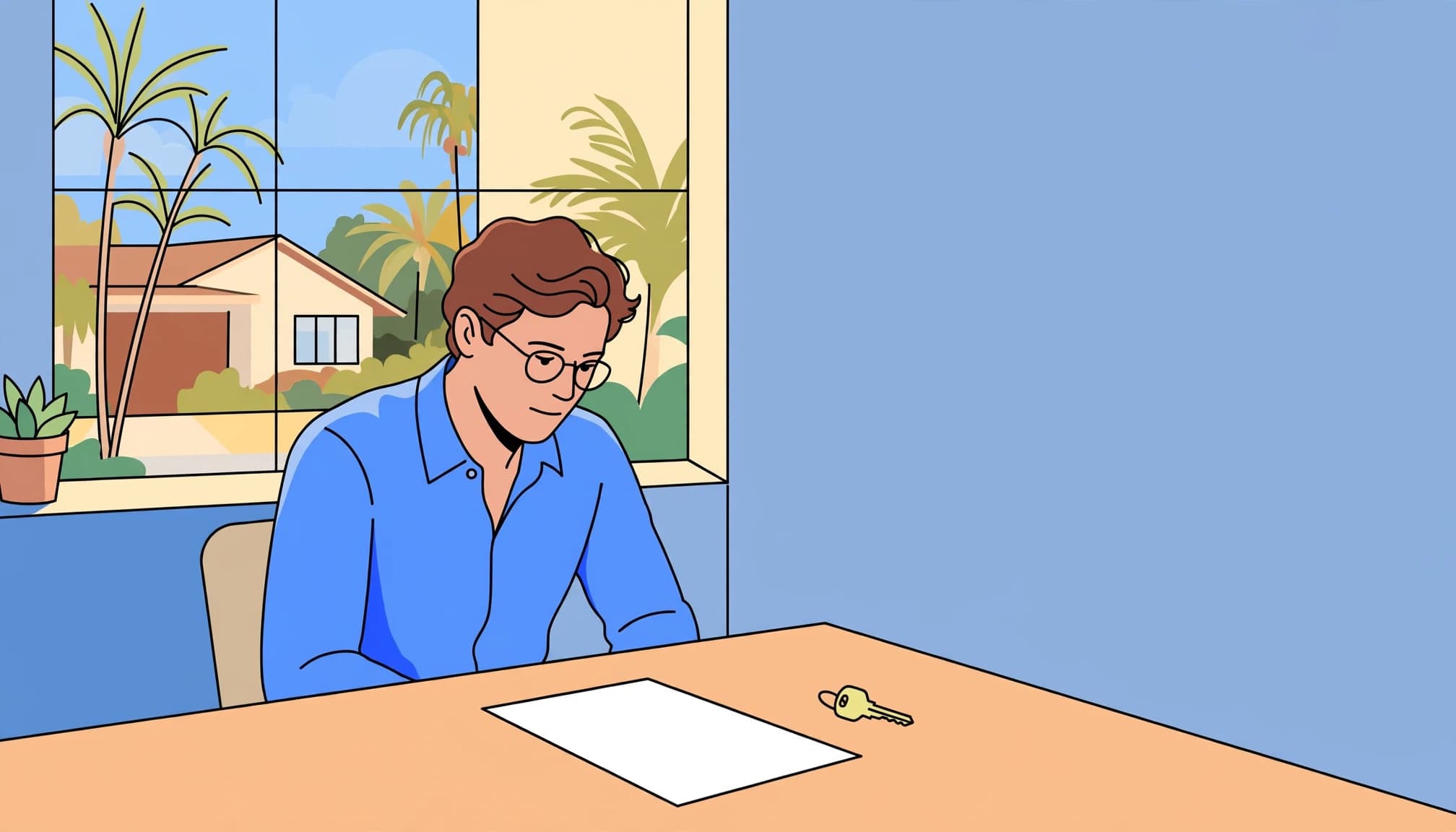
The warning provides general health information. It doesn’t state that this property was tested or that its radon concentration is below a particular level.
Keep test results and mitigation records separate from the standard notice so neither document is misunderstood.
When Landlords Must Deliver the Notice
Lease Signing and Document Placement
Florida law requires the notice on an executed document at or before execution of the rental agreement. Providing it after move-in doesn’t meet that timing requirement.
You can include the warning in the lease or attach it as an executed document. The radon provision doesn’t require a separate standalone notice.
We recommend giving tenants the complete packet before they commit. Keep the signed lease, attachments, and proof of delivery together. For a signed renewal, including the notice in the renewal packet is prudent practice, not a statutory requirement.
The 45-Day Transient-Occupancy Exemption
Florida law exempts residential transient occupancy, as defined in Section 509.013(12), when the occupancy lasts 45 days or less.
Both conditions must apply: the arrangement must qualify as residential transient occupancy, and the stay must meet the time limit. A short residential lease doesn’t automatically qualify for the exemption.
Vacation-rental owners should also keep this rule separate from lodging licenses, tourist taxes, and association restrictions. Those obligations use different definitions and thresholds. A radon-notice exemption doesn’t establish that the property’s intended rental use is otherwise permitted.
Required Testing Versus Recommended Due Diligence
Ordinary Rental Homes and Residential Purchases
Florida’s residential radon disclosure law requires a warning in covered leases and sales, but it doesn’t require testing or mitigation for every rental. The notice is required even when the owner has no test results.
Testing can help buyers evaluate an investment property and give rental owners a baseline. The Florida Department of Health’s radon guidance reports that one in five Florida residences has radon above the EPA action level. EPA recommends mitigation when test results reach 4.0 pCi/L or higher, since radon exposure increases lung cancer risk. Arrange acquisition testing during the inspection period, while results can still inform negotiations and repair planning.
Schools, Care Facilities, and Day Care Centers
Florida law separately requires testing in certain public and private K-12 buildings, qualifying state-owned or state-regulated 24-hour care facilities, and licensed child day care centers in counties designated as having moderate or high radon potential.
The law sets separate schedules for initial and follow-up measurements in covered facilities. These rules don’t create a universal five-year testing requirement for residential rentals.
How to Read Radon Test Results
Radon levels are measured in picocuries per liter, written as pCi/L. The EPA sets 4 pCi/L as the residential action level and recommends reducing exposure at or above it.
Florida Department of Health guidance recommends these response timelines for radon levels, separate from the EPA’s threshold:
| Radon Result | Recommended Response |
|---|---|
| Below 4 | Lower levels reduce risk, but don’t establish zero risk. |
| 4 to 8 | Plan mitigation within six months. |
| 8 to 20 | Plan mitigation within three months. |
| 20 to 100 | Plan mitigation within one month. |
| Above 100 | Take immediate action to reduce exposure. |
The Florida State University radon questions page also summarizes Florida’s response guidance.
A short-term measurement is a snapshot, so follow-up testing can help determine the right response. Don’t let repeat testing delay action when concentrations are very high. Keep the full report, testing conditions, and professional recommendations together.
Choosing Certified Testing and Mitigation Services
Florida Certification Requirements
Florida’s certification rules apply to professionals hired for paid radon measurement or mitigation. Certified individuals must work through a certified radon business, as employees or contractors. These rules don’t require owners to test every rental.
The Florida Department of Health’s radon individuals and businesses directory lists certified radon professionals. A general home-inspection credential alone doesn’t establish Florida radon certification.
Section 404.056(3) sets certification and annual recertification fees between $200 and $900. Certification violations can bring administrative fines of up to $1,000 per violation per day. These figures concern professional regulation, not the price of testing or installation at your property.
Radon Mitigation Options for Rental Homes
Radon mitigation options include sealing foundation openings, installing sub-slab depressurization or venting systems, and making suitable ventilation changes. Radon-resistant construction materials and features can also reduce radon entry during new construction.
Sealing alone generally isn’t a complete solution. The system should address how radon enters and accumulates in that particular building.
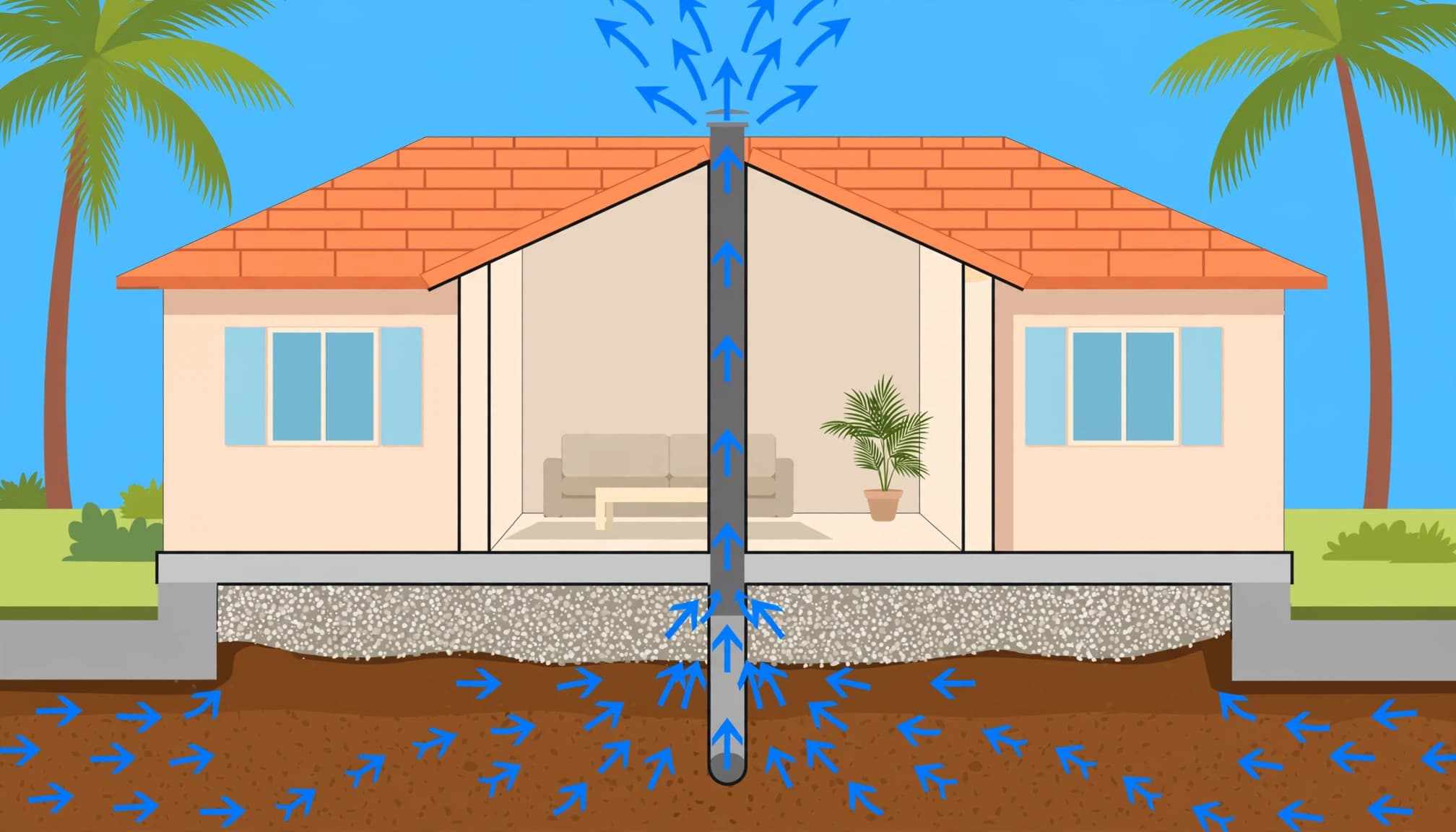
Properly designed radon mitigation can reduce concentrations to 4 pCi/L or less, although removing all radon isn’t practical. We recommend budgeting for diagnostics, installation, any necessary electrical work, and post-installation testing rather than treating the installation quote as the entire project.
Keeping a Complete Property Disclosure File
Good documentation supports a reliable rental process, but assigning administrative work to an agent or property manager doesn’t remove the owner’s compliance responsibilities.
We recommend keeping the executed warning, delivery evidence, available test reports, mitigation invoices, and follow-up results in one property file. This is a recommended recordkeeping practice, not a separate statutory filing duty. Record tenant communications and agreed access arrangements when testing or installation requires entry.
Keep Radon, Flood, and Lead Duties Separate
For residential rental agreements with a term of one year or longer, Section 83.512 requires landlords to provide a separate flood disclosure at or before execution. The requirement took effect October 1, 2025.
Most housing built before 1978 also falls under federal lead-based paint disclosure rules, subject to applicable exemptions. Landlords must provide the required lead-based paint information to tenants before they’re obligated under the lease.
A radon paragraph doesn’t replace either duty, and a general property-condition clause doesn’t satisfy every required disclosure.
Address Known Findings During an Investment Sale
When you sell a rental home, the statutory radon warning doesn’t replace disclosure of known material defects.
Under Johnson v. Davis, a seller must disclose known facts that materially affect value and aren’t readily observable or known to buyers. Known elevated radon findings deserve separate attention under that duty.
We recommend retaining the original measurements, completed corrective work, and subsequent results together rather than relying on a general statement that mitigation was performed.
Frequently Asked Questions
Does a Seller Also Have to Provide the Warning?
Yes. The requirement applies to contracts for the sale and purchase of buildings, as well as rental agreements. For buyers, receiving the warning doesn’t mean the property has elevated radon. Testing can assess the risk.
What Are the Signs of Radon Exposure?
You can’t see or smell radon, and exposure doesn’t provide reliable immediate warning signs. Testing measures indoor radon levels and helps assess the risk of lung cancer.
The EPA’s radon health guidance identifies lung cancer as the established health effect of radon exposure. Smoking is the leading cause of lung cancer. Combined smoking and radon exposure increases the risk of lung cancer.
Can an Air Purifier Remove Radon?
A standard portable air purifier doesn’t reliably remove radon gas or replace a mitigation system. Some filters capture airborne particles, but they don’t resolve the gas entering the building. Use testing and a qualified mitigation assessment to address elevated concentrations.
Does a Missing Notice Automatically Cancel a Lease?
Section 404.056’s notice provision doesn’t establish automatic lease cancellation for every omission. Remedies depend on the facts and applicable law. For a dispute involving known elevated readings, withheld reports, or a request to end the tenancy, seek advice from a Florida attorney.
A Clear Disclosure Process Protects the Rental Relationship
Florida radon disclosure belongs in lease preparation, before signatures and move-in arrangements are complete. Keep the statutory warning, testing decisions, and any known property findings clearly documented.
Our property management services include lease agreements, inspections, and maintenance coordination. If you need support organizing your rental process, discuss your rental property with our team.
A complete file gives you a dependable foundation for informed decisions and a better-supported rental relationship.