

Florida tenant property left behind can delay your next lease, but a clear process helps protect your investment. Furniture, boxes, and personal belongings may look abandoned, yet clearing them too quickly can create an avoidable dispute.
We recommend a documented process that starts with lawful possession, then addresses your lease, required notices, and disposal options. This is general information, not legal advice, so have a Florida landlord-tenant attorney review disputed situations.
Before scheduling a cleanout, confirm which rules apply to your rental.
Key Takeaways for Florida Rental Owners
- Confirm the tenancy has ended and you have lawfully recovered possession before handling remaining belongings.
- Under Chapter 715, the claim deadline must allow at least 10 days after personal delivery or 15 days after mailing.
- A qualifying written agreement may change your responsibilities after surrender or abandonment, but don’t assume it covers eviction.
- Unclaimed property valued below $500 has different disposal rules than property worth $500 or more.
- Security deposit notices have separate deadlines, even when belongings are still being stored.
Confirm Lawful Possession Before Handling Belongings
An overdue rent payment doesn’t give you permission to clear a rental home. We recommend establishing the legal basis for possession before arranging removal, repairs, or new tenant access.
Surrender and Abandonment Require Different Evidence
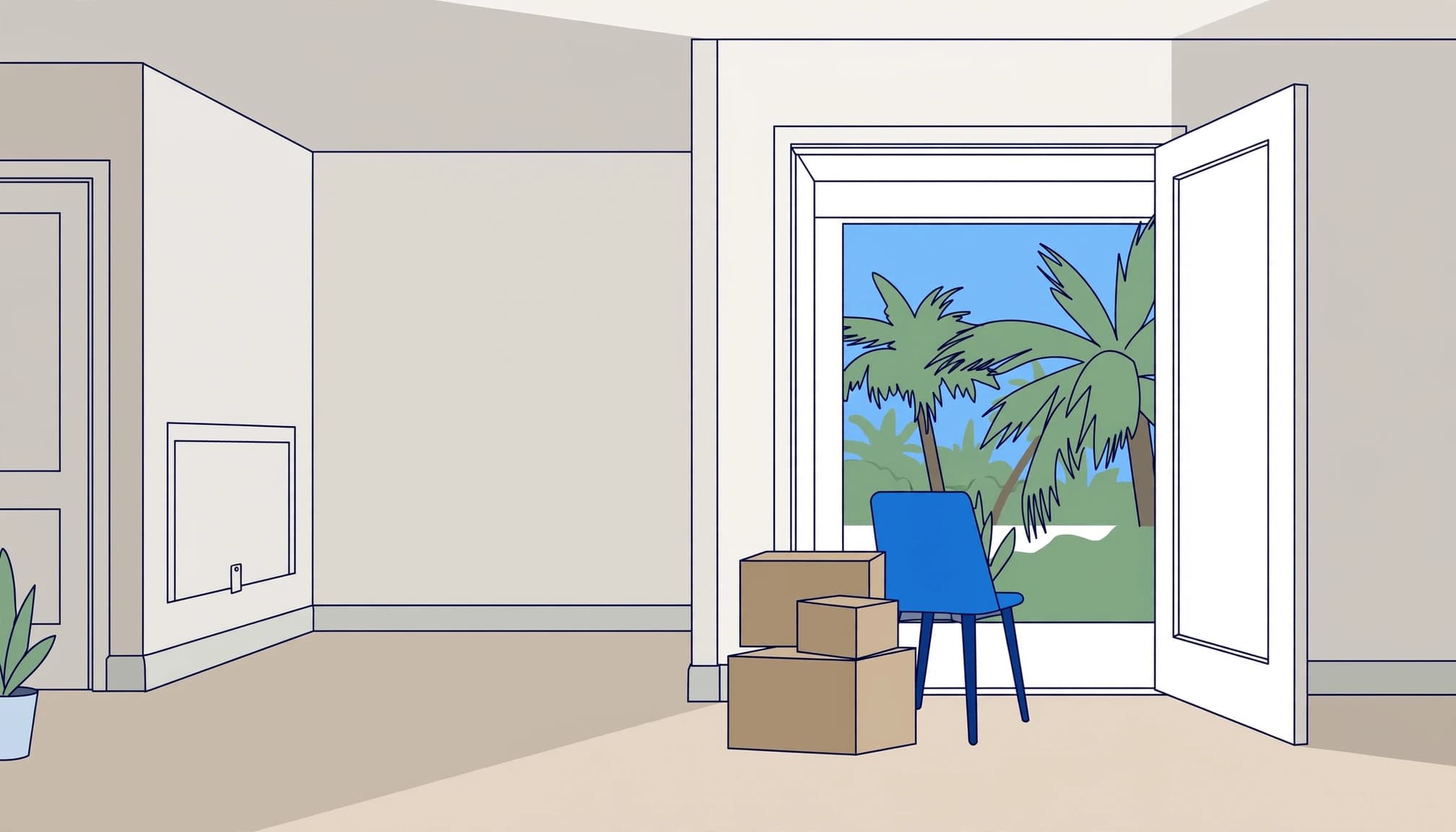
A tenant’s written confirmation, returned keys, and move-out communications can help document surrender. Keep those records with the lease and inspection report.
Abandonment requires a separate legal assessment. An empty driveway, unpaid rent, or unanswered messages alone shouldn’t determine your next step. Florida law ties abandonment to statutory conditions, rather than an owner’s impression that the tenant has disappeared.
If possession is uncertain, ask counsel to review the facts. We recommend resolving that question before treating personal belongings as available for disposal.
Eviction Requires Authorized Enforcement
A termination notice isn’t a court order. When eviction is necessary, the sheriff executes the writ of possession after the required process.
Don’t change locks, shut off utilities, or remove possessions to pressure a tenant into leaving. Florida’s prohibited landlord practices address these actions and the restrictions on removing personal property.
After possession is restored, follow the sheriff’s instructions and obtain legal guidance about belongings. A bankruptcy filing also requires immediate attorney review before continuing enforcement or collection.
Check the Lease for a Valid Property Clause
Does your rental agreement address belongings left behind? That provision can make a meaningful difference, but its wording and the circumstances matter.
Section 83.67(5) allows a qualifying written rental-agreement provision or separate written agreement to relieve certain notice, storage, and disposition responsibilities after surrender or abandonment. The agreement must satisfy the statutory requirements, including the required disclosure.
A general instruction to “remove all belongings” doesn’t establish that the statutory exception applies. We recommend having an attorney review the actual signed provision before relying on it.
Don’t extend the exception to eviction automatically. The agreement-based exception described in section 83.67(5) is tied to surrender or abandonment.
Keep the executed agreement, supporting communications, and evidence of how possession ended together. Without an applicable exception, follow the Chapter 715 notice, safekeeping, and disposition process rather than treating the remaining contents as ordinary turnover debris.
Florida Tenant Property Notice Requirements
When Chapter 715 applies, written notice gives the former tenant and other known owners an opportunity to reclaim their belongings. Florida tenant property notices should identify the items and explain the next steps clearly.
Identify the Property and Its Owners
Section 715.104 requires notice to the former tenant and anyone else you reasonably believe owns the remaining property. A roommate’s belongings or identifiable rented equipment may require attention beyond the named tenant.
Describe the items adequately, state where they can be claimed, and explain that reasonable storage costs may apply. Include the claim deadline and the appropriate warning about disposition.
The statutory forms in sections 715.105 and 715.106 distinguish notices to former tenants and other owners. We recommend using the applicable language in Florida’s abandoned-property statutes, rather than relying on an informal message.
Allow the Full Claim Period
The minimum waiting period depends on delivery.
| Delivery Method | Earliest Claim Deadline |
|---|---|
| Personal delivery | At least 10 days after delivery |
| Mailing | At least 15 days after deposit in the mail |
These are minimum periods, so don’t schedule disposal before the deadline stated in your notice.
For mailed notices, use the required address information, including another address when you reasonably believe the recipient can be reached there. Preserve the notice, mailing record, and delivery documentation.
A phone call or text can support communication, but don’t assume it replaces statutory notice. We recommend calendaring the claim deadline when the notice is delivered or mailed, then verifying it before authorizing a cleanout.
Document and Safeguard Items Left Behind
A dependable turnover file protects your investment and helps answer questions about missing or damaged belongings. We recommend documenting the contents before moving anything.
Create a Clear Inventory
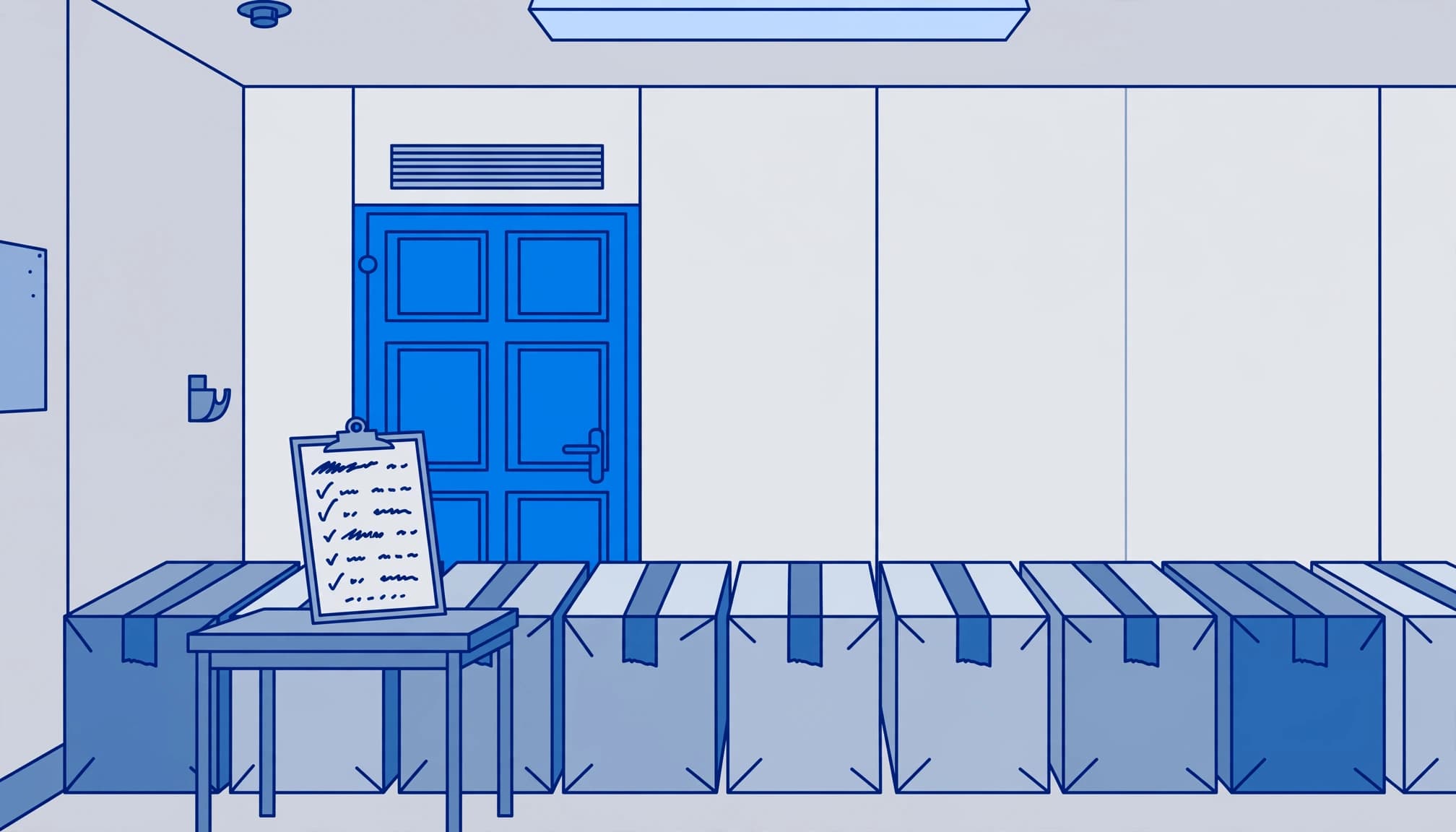
Take dated photographs of each room, then record the remaining furniture, appliances, boxes, and identifiable valuables. Note visible damage and where each item was found.
Separate the tenant’s possessions from landlord-owned equipment and furnishings. Move-in records can help establish ownership, while photographs help distinguish existing damage from damage during removal.
Keep valuation notes, vendor invoices, notices, and tenant communications in the same file. We recommend giving any removal contractor written instructions that explain which items must be preserved and which actions remain unauthorized.
Use Reasonable Care During Storage
Section 715.107 permits storage on the premises or in a place of safekeeping. Moving everything to an off-site facility isn’t automatically required.
Use reasonable care to protect the contents. For Southwest Florida rentals, that includes avoiding rain exposure, damp storage, and unsecured areas during turnover.
The statute doesn’t excuse losses caused by deliberate or negligent conduct. Preserve records of reasonable storage expenses, and confirm allowable charges before releasing property.
We recommend documenting pickup arrangements and obtaining a receipt identifying what was returned. Clear records make the process easier for both the owner and former tenant.
Decide Whether Disposal or Public Sale Applies
What happens when nobody responds? The expired claim deadline is only part of the answer. Your reasonable estimate of the property’s total resale value determines the next step.
Property Worth Less Than $500
Under section 715.109, property you reasonably believe is worth less than $500 in total may be kept, sold, or destroyed without further notice after the claim period expires.
The threshold concerns the remaining property collectively, not each item individually. Multiple modest-value items can place the total above the limit.
Document your estimate using condition, age, photographs, and comparable secondhand prices. Original purchase prices and replacement costs don’t necessarily establish resale value.
We recommend retaining the valuation record even when the contents appear inexpensive. A supported estimate is more dependable than an undocumented assumption.
Property Worth $500 or More
Property that isn’t reasonably valued below $500 generally requires a public sale through competitive bidding. Don’t substitute a private online sale for that procedure.
Under Florida’s public-sale requirements, publication occurs once a week for two consecutive weeks. The sale must be at least 10 days after the first publication, and the last publication must be at least five days before the sale.
The statute also governs the publication’s contents and handling of proceeds. After permitted costs, unclaimed remaining proceeds go to the county treasury within 30 days after the sale. The former tenant may claim the remainder within one year after the county receives it.
Because several deadlines overlap, we recommend legal review before arranging an auction.
Keep Security Deposit Deadlines Separate
Left-behind belongings can complicate turnover, but they don’t pause your security deposit obligations. Section 83.49 establishes a separate process under Florida’s residential landlord-tenant law.
If you make no claim, the deposit generally must be returned within 15 days after the tenancy ends and the tenant vacates and delivers possession. If you intend to impose a claim, the required notice generally must be sent within 30 days.
Notice generally goes by certified mail to the tenant’s last known mailing address. Electronic delivery requires qualifying consent under section 83.505. The tenant then has 15 days after receiving the claim notice to object in writing.
The abandoned-property notice and security deposit claim notice run on separate clocks. One doesn’t replace the other.
Don’t treat the deposit as an automatic cleanout or storage fund. Any deduction needs support under the lease, applicable law, and your records.
We recommend keeping photographs, invoices, delivery proof, and the final accounting together. A contractor’s delay doesn’t extend the deposit-notice deadline, and ordinary wear and tear isn’t tenant-caused damage.
Frequently Asked Questions
Can a Landlord Keep Belongings to Cover Unpaid Rent?
Don’t assume unpaid rent gives you ownership of the tenant’s possessions. Under the Chapter 715 process, release and disposition follow their own rules, including applicable storage and advertising costs.
Rent collection and damage claims should be reviewed separately. We recommend legal guidance before withholding property or applying sale proceeds to an outstanding tenant balance.
Does the Property Have to Stay Inside the Rental?
No. Chapter 715 allows storage on the premises or in a place of safekeeping, with reasonable care.
Your choice should protect the belongings and allow compliance with the notice and release process. Document the storage location and any transfer. Preparing the home for another tenant doesn’t remove your responsibility to handle stored property appropriately.
What if the Last Remaining Tenant Has Died?
A tenant’s death requires additional care. Section 83.59(3)(d) addresses possession when rent is unpaid, at least 60 days have passed, and no written notice of a probate estate or personal representative has been received.
Those conditions aren’t permission for an immediate cleanout. Have counsel review possession, estate rights, and the remaining belongings before arranging removal or disposal.
A Reliable Turnover Protects Your Rental Investment
Handling Florida tenant property properly starts with lawful possession and a clear record of what remains. Required notices, careful storage, and supported valuation help protect your rental income without creating unnecessary disputes.
At Best Investing Realty, we help Southwest Florida owners coordinate rental management, inspections, and turnover records. Legal questions should go to a qualified Florida attorney.
If you need a more dependable move-out process, contact Best Investing Realty to discuss your rental management needs. A well-documented turnover gives your next tenancy a stronger start.