
Unexpected visits can strain a rental relationship. Know when Florida owners may enter, how much notice repairs need, and what tenants can do.
An entry notice helps owners care for a rental home, but it doesn’t override tenant privacy or a renter’s right to quiet enjoyment. The reason for the visit matters, and so does the way both sides communicate about it.
We start with the rule that causes the most confusion: the 24-hour notice requirement.
Key Takeaways
- Florida law defines reasonable notice for repair entry as at least 24 hours. It defines reasonable repair-entry hours as 7:30 a.m. to 8:00 p.m.
- Landlords may enter for lawful purposes that include inspections, agreed services, repairs, and showings. The same fixed 24-hour rule isn’t stated for every purpose.
- An emergency or a need to protect the property can change when entry is allowed.
- Tenants can’t unreasonably withhold consent, but landlords can’t abuse access or use visits to harass them.
- A tenant isn’t required by Florida Statute §83.53 to leave home for an inspection or showing.
Florida Landlord Notice to Enter: When 24 Hours Applies
Florida Statute 83.53 governs a landlord’s access to a residential dwelling unit. It permits necessary landlord entry while setting limits that protect tenants in a rental unit.

Repair Visits Have a Defined Notice Period
For repair entry, Florida landlord notice to enter rules require at least 24 hours of advance notice. The statute defines reasonable notice as at least 24 hours before entry and a reasonable time as between 7:30 a.m. and 8:00 p.m. The Florida Department of Agriculture and Consumer Services’ landlord-tenant guidance gives owners and renters the same timing reference.
A notice sent Monday at 4 p.m. wouldn’t meet the 24-hour repair standard for a Tuesday morning appointment. Owners should allow the full period when scheduling a nonemergency repair.
Other Visits Still Call for Careful Scheduling
The statute doesn’t express its 24-hour repair definition as a universal clock for every inspection or showing. That distinction matters, but it isn’t an invitation to schedule surprise visits.
For planned access, we recommend giving at least 24 hours of written notice as a consistent practice. Check the rental agreement, explain the visit, and offer a reasonable arrival window. If a tenant raises a genuine conflict, a practical conversation is usually better than an argument at the front door.
Reasons a Landlord May Enter a Rental Home
Florida’s access law lists several valid purposes for landlord entry. The visit should match one of them, not a vague desire to check on the tenant.
Inspections, Repairs, and Agreed Services
A landlord may seek access to inspect the rental unit, make necessary or agreed repairs, complete improvements, or provide services agreed to in the rental agreement. An inspection might identify a leak, an HVAC concern, damage that needs attention, or an issue involving housing codes.
We favor inspections focused on property condition rather than a resident’s daily life. Dated photographs, maintenance notes, and a consistent report help owners make decisions without turning a walkthrough into an accusation. Florida doesn’t set one fixed interval for routine inspections; the lease and the home’s condition should guide the schedule.
Showings and Work Related to the Property
The law also allows access to show a dwelling to prospective buyers, tenants, and mortgagees, as well as to workers or contractors. A property sale doesn’t end the resident’s privacy rights or make repeated, disruptive visits acceptable.
For an occupied home on the market, we recommend grouping appointments where practical and naming the people expected to attend. Buyers benefit, too. An orderly showing gives them a clearer view of the property without creating unnecessary tension with the tenant.
When Entry May Happen Without the Usual Notice
Can an owner enter without waiting a day? Sometimes. Landlord entry depends on the reason and circumstances, not on a blanket right to use a key.
Emergencies and Property Protection
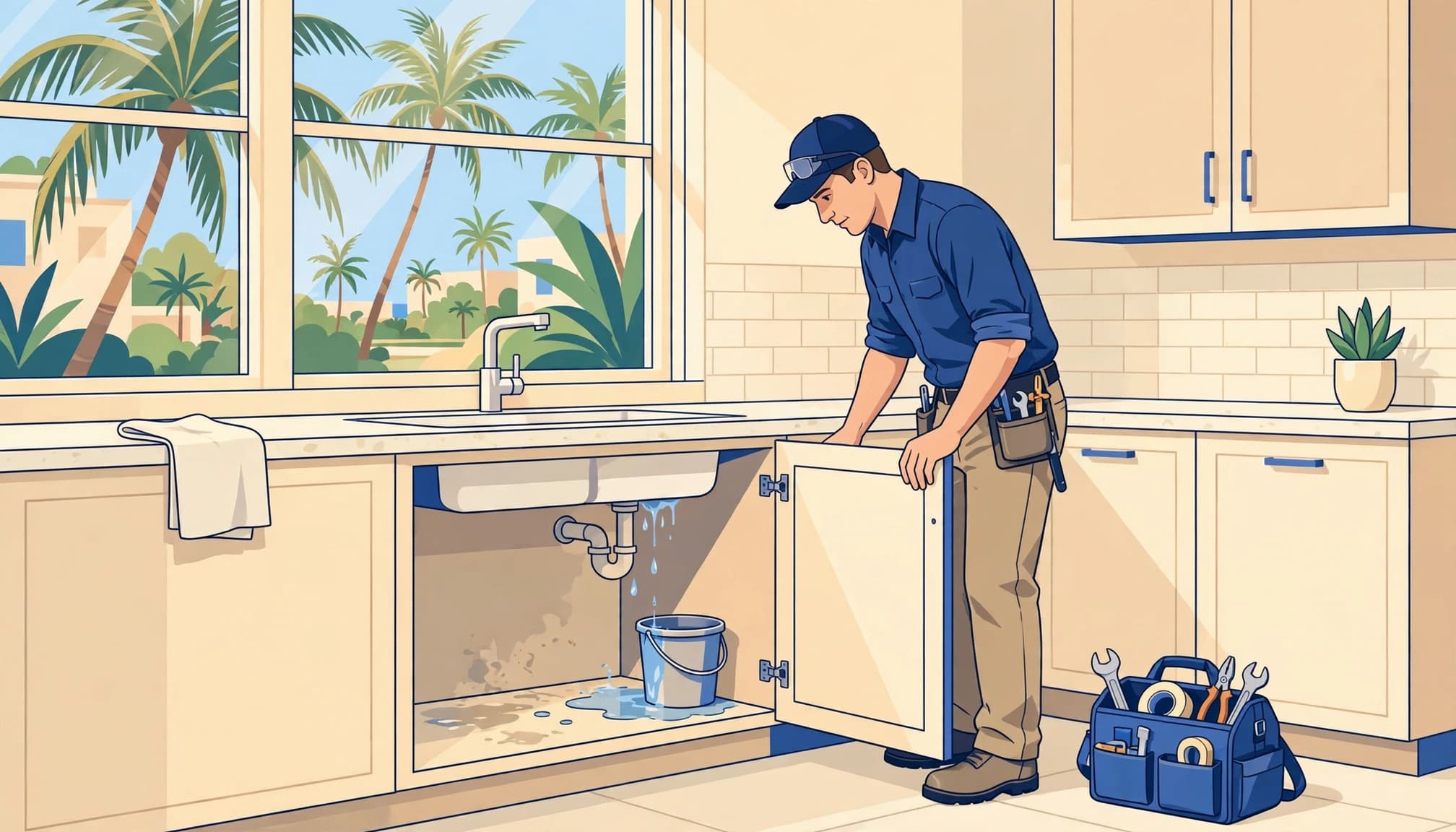
Florida law allows a landlord to enter a rental unit at any time to protect or preserve the premises. An emergency is also an express basis for entry under the statute. Active water intrusion or a fire, for example, may require emergency repairs before an ordinary appointment can be arranged.
A seasonal maintenance check isn’t automatically an emergency because hurricane season is approaching. Owners should distinguish a planned visit from an immediate threat, then tell the tenant what happened as soon as practical. Clear repair records can help explain why prompt access was necessary.
Consent, Refusal, and Extended Absence
For other authorized entry purposes, the statute identifies additional circumstances, including tenant consent, unreasonable withholding of consent, and an absence lasting at least half the time between rent payments. Check the rental agreement for applicable access terms, but lease terms don’t override statutory limits.
There is an important limit: when rent is current and the tenant has told the landlord about an intended absence, entry during that absence is restricted to tenant consent or protection or preservation of the property. These details are easy to miss. We wouldn’t treat an unanswered message or a scheduling disagreement as permission to force entry; disputed circumstances may require legal advice.
How to Send a Notice That Prevents Confusion
A notice works best when a tenant can immediately see who is coming, why, and when. Even when a specific written notice format isn’t prescribed, keeping a dependable record protects both sides.
Include the Details a Resident Needs
For a planned visit to the rental unit, state the address, date, expected arrival window, purpose, and names or roles of those attending. As a practical recommendation, provide reasonable notice and enough advance notice for the tenant to prepare. Add a number or email address for access questions, check the rental agreement for any applicable notice terms, and keep a copy of the notice and any response with the property’s records.
An access notice shouldn’t promise one type of visit and become another without explanation. If a repair appointment turns into a buyer showing, communicate the change and arrange the showing separately. Clear expectations make access easier for tenants and the property manager.
Check Before Relying on Email
Florida Statute §83.505 permits email delivery of notices under the Residential Landlord and Tenant Act when both parties sign a voluntary addendum and provide valid email addresses. The addendum addresses how that choice can be updated or revoked, and the sender must retain the notice and evidence of transmission.
That provision doesn’t mean every casual email or text automatically resolves a landlord entry question. Section 83.53 doesn’t prescribe a separate delivery method for every access request. Check the signed lease agreement and any email-notice addendum, then use a method that leaves a reliable record.
Inspections and Showings When the Tenant Is Home
An occupied rental unit is still someone’s home. A lawful reason for landlord entry doesn’t give an owner control over where the resident must spend the afternoon.
Tenants Don’t Have to Vacate for a Visit
Section 83.53 doesn’t require a tenant to leave during a properly scheduled inspection or showing, preserving tenant rights and tenant privacy.
An owner can ask for reasonable cooperation under the rental agreement, such as keeping a scheduled access path clear. But a demand to vacate shouldn’t be presented as a statutory requirement.
If you receive that demand, respond calmly in writing: confirm that you can provide access while remaining at home, and ask for the date, window, and purpose. Keep the discussion about scheduling and access rather than refusing every visit.
A Sale Doesn’t Cancel Access Limits
Prospective buyers may reasonably want to see a listed rental. The tenant may reasonably want to avoid an open-ended parade of visitors. Both concerns can be addressed with appointment windows, advance communication, and a clear point of contact.
If an owner calls every visit a required “inspection” but repeatedly arrives with prospective buyers, ask for the actual purpose in writing. The issue isn’t whether a showing is allowed; Florida law permits showings. The concern is whether access is being used honestly and without harassment.
What to Do When Access Becomes a Dispute
Florida’s statutory access rules prohibit landlords from abusing landlord entry or using it to harass a tenant. A single scheduling mistake and a pattern of unwanted visits aren’t the same. Either can affect a tenant’s quiet enjoyment, so document what happened.
If You Are the Tenant
Record the date, time, reason given, people who entered the rental unit, and any notice you received. Save emails, texts, and photographs related to the visit. Ask the landlord or property manager in writing to follow the rental agreement and applicable entry rules going forward.
If the problem continues, speak with a Florida landlord-tenant attorney about remedies that fit the facts. Don’t assume a disputed entry automatically allows you to withhold rent or change the locks. Access problems and rent obligations are separate legal questions.
If You Own or Manage the Home
When a tenant objects, ask what’s preventing access and offer another reasonable time when possible. Keep the request, reply, and appointment history together. Tenants can’t unreasonably withhold consent for a lawful visit, but an owner shouldn’t turn a disagreement into forced entry or retaliation.
Lock changes, utility shutoffs, and attempts to remove an occupant aren’t substitutes for the legal process. They can raise concerns about an unlawful lockout or retaliatory eviction. When access or possession is disputed, seek legal advice about the appropriate court process. A court order may be relevant in some disputes, but isn’t required for every lawful entry.
Sample Messages for Clearer Access Requests
A short, accurate message about landlord entry often resolves a problem before it becomes a dispute. These examples can be adjusted to the rental agreement and circumstances.
Owner or Property Manager Message
Hello, we need to enter the rental home on Thursday between 10 a.m. and noon to inspect the reported kitchen leak. Our property manager and plumbing contractor expect to attend. Please let us know if you have an access concern or need to discuss the appointment.
For a nonemergency repair in the rental unit, send a written notice at least 24 hours before the proposed entry. This advance notice should identify a reasonable time for access. Include the property address when the message could be confused with another rental, and keep a copy of the delivery record.
Tenant Response to a Showing Request
Thank you for the showing request. I can provide access on Thursday between 3 and 5 p.m., and I plan to remain at home. Please confirm who will attend and whether another appointment is needed.
A suggested alternative isn’t an automatic right to reject lawful access. It gives both sides a practical starting point, particularly when the original window conflicts with work, health needs, or another appointment.
Make Entry Part of a Reliable Management Plan
For owners with a rental unit in Cape Coral, Fort Myers, Lehigh Acres, and nearby communities, consistent property management procedures support maintenance and a better resident experience. Keep the rental agreement, notices, inspection reports, vendor details, and tenant responses in one property file for each single-family home.
Best Investing Realty helps Southwest Florida owners coordinate inspections, maintenance, and tenant communication. If you want help establishing a dependable process for your rental, contact Best Investing Realty to discuss your property and goals.
Frequently Asked Questions
Can a Florida Landlord Enter Without Warning?
A court order isn’t a general prerequisite. Section 83.53 allows entry into a dwelling unit in certain circumstances, including emergencies or when needed to protect or preserve the premises. Other statutory limits apply, and an ordinary convenience visit isn’t urgent access.
Is 24 Hours Required for Every Inspection?
The statute expressly sets at least 24 hours’ reasonable notice for repairs, not a fixed rule for every inspection. For planned inspections, we recommend written advance notice, a reasonable time, and checking the rental agreement.
Can a Tenant Refuse a Showing or Be Made to Leave?
A tenant can’t unreasonably withhold consent to lawful access, including a showing allowed by the statute. That doesn’t mean they must leave the home. If the proposed time is a problem, suggest another reasonable window in writing.
Respectful Access Protects the Home and the Tenancy
An unexpected knock doesn’t have to become a lasting dispute. For landlord entry into a rental unit, identify the lawful purpose, follow applicable timing rules, and communicate clearly.
For owners, reliable records make maintenance and showings easier to manage. For tenants, they make it easier to raise a concern without losing sight of a legitimate need for access.