

A rental home’s no-pet policy can seem straightforward until an applicant asks to bring an emotional support animal. For Florida emotional support animals, the right response is an individual review, not an automatic approval or denial. Owners can protect their property while giving residents the accommodation the law requires.
We find that the process works best when everyone handling applications knows what to recognize, what information to request, and when to get legal guidance.
Florida Emotional Support Animals Require a Housing Review
An emotional support animal request is a housing accommodation request, even if the applicant never uses those words. It might come up during a showing, on an application, by email, or after the resident moves in. Treating it as an ordinary pet question can lead to a decision that misses the resident’s disability-related need.
The federal Fair Housing Act and Florida law govern these housing requests, separately from rules for public accommodations. A covered housing provider may need to make a reasonable accommodation to a pet rule when a person with a disability needs the animal to use and enjoy the home. This can apply to a single-family rental, a condominium, or a home in a community association. In housing, assistance animal is a broader term that includes emotional support animals, which are distinct from service animals.
For owners, the practical starting point is simple: acknowledge the request, identify whether supporting information is needed, and review the particular animal. Keep disability-related information confidential rather than circulating it with routine leasing notes.
What Counts as an Emotional Support Animal in Florida?
The Animal’s Role Matters More Than Its Label
Florida Statutes section 760.27 (Florida Statutes § 760.27) says an emotional support animal doesn’t need training to perform a task. Its presence provides therapeutic emotional support that alleviates one or more identified symptoms or effects of a person’s disability.
That definition separates the animal’s housing role from ordinary companionship. A resident may love a pet dearly, but affection alone doesn’t establish a disability-related need. On the other hand, an owner shouldn’t reject a request because the animal has no specialized training. Training isn’t required for an emotional support animal under this statute.
A No-Pet Lease Doesn’t Settle the Question
A written pet policy still helps owners manage ordinary animals. It doesn’t replace the accommodation review. If a qualified resident needs an emotional support animal, the housing provider may need to grant a reasonable accommodation to a no-pet rule or another pet restriction. A lease or community association pet rule doesn’t replace an individual housing review.
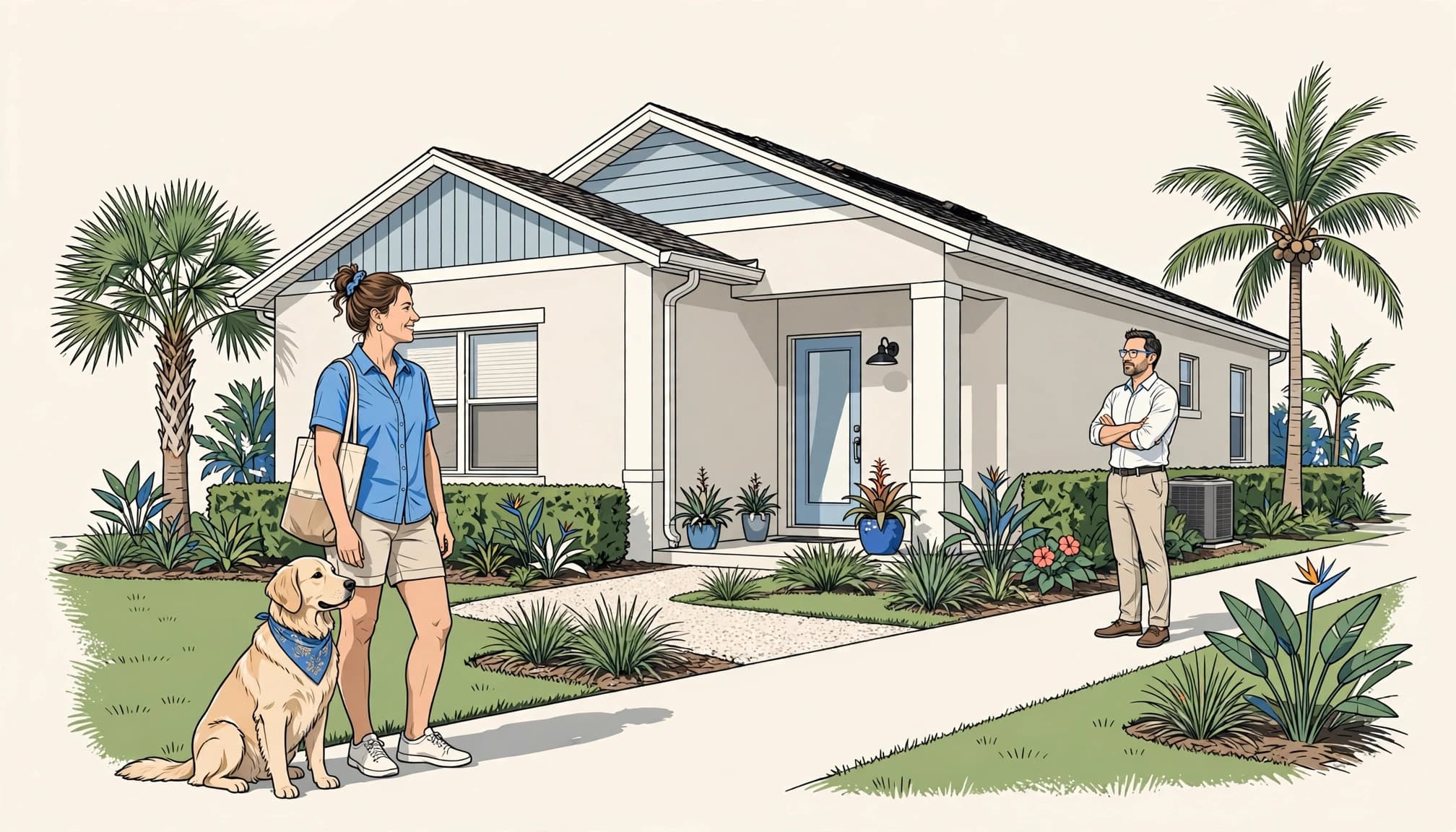
We recommend keeping the accommodation decision separate from standard pet approval paperwork. That makes it easier to explain why requests involving Florida emotional support animals are reviewed under fair housing rules rather than charged or screened as pets.
What Documentation May a Rental Owner Request?
Ask for Reliable Information When the Need Isn’t Apparent
If a person’s disability or disability-related need for the animal isn’t readily apparent, Florida Statutes section 760.27 allows a housing provider to request reliable supporting information. Depending on what’s needed to assess the request, that may include a government disability determination, evidence of disability-related benefits or services, proof of eligibility for disability-based housing assistance, or information from a qualifying health care practitioner.
An emotional support animal letter from a mental health professional isn’t automatically sufficient. It must meet the applicable legal requirements, including the practitioner’s qualifications and personal knowledge of the person’s disability. The goal is to establish the disability-related need, not to collect a full medical history or unnecessary medical records.
If the information already provided answers the relevant question, asking for more creates unnecessary delay. Store what you receive securely, and limit access to people who need it for the housing decision.
Check Telehealth Letters and Out-of-State Providers Carefully
A telehealth appointment doesn’t automatically make an emotional support animal letter invalid. Florida law recognizes information from qualifying practitioners and telehealth providers who meet its requirements.
There is an additional rule for an out-of-state practitioner: the practitioner must be in good standing with their profession’s regulatory body in another state and must have provided the resident in-person care or services at least once. That in-person-care requirement applies only where Florida law specifies it, not to every Florida practitioner or telehealth visit.
An online registration, certificate, ID card, or vest doesn’t establish the need by itself. These items may look official, but the review should rest on reliable information that meets the legal standard.
How to Handle a Request Without Creating a Dispute
Recognize It and Respond Promptly
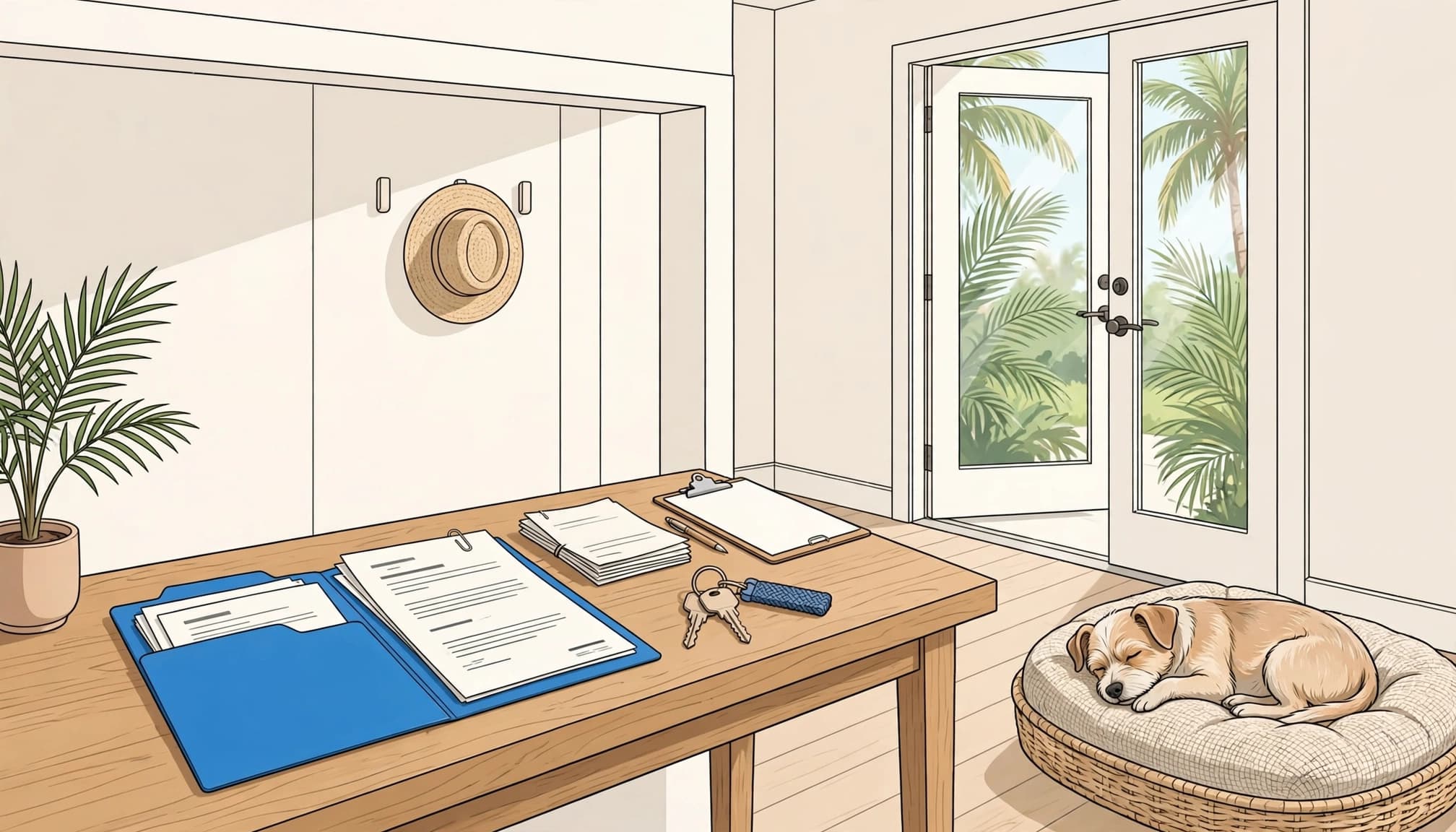
Make sure the person receiving applications knows to recognize informal requests for a reasonable accommodation involving a disability and an animal. An applicant shouldn’t need to find a special form or cite a statute before you begin the review. Confirm that you received the request and explain where any needed supporting information can be sent securely.
For example, a useful response might say: “We received your accommodation request and will review it promptly. If we need supporting information, we’ll explain what is needed and how to submit it securely.”
Keep the request, supporting materials, communications, and decision together in a restricted file. Record the dates and the reason for any follow-up question. That record helps an owner answer concerns without relying on memory.
Decide on the Facts of the Request
Review the resident’s information and the particular animal before reaching a decision. HUD’s assistance-animal reasonable-accommodation guidance supports an individualized approach rather than assumptions about a type of animal.
If a document is missing, identify the missing information instead of issuing a vague rejection. If you believe there are grounds to deny the request, consult a Florida attorney before sending a final decision. An unexplained delay or a standard pet-policy response can turn a manageable question into a fair housing dispute.
A breed rule is a starting point for ordinary pet decisions. An accommodation request calls for facts about the particular animal.
Pet Fees, Damage, Breed Rules, and Safety
Separate Animal Charges From Actual Damage
Under Florida Statutes section 760.27, a housing provider can’t require extra compensation for an approved emotional support animal. Owners shouldn’t treat it as a pet by adding a pet fee or pet deposit.
That doesn’t leave the property unprotected. The resident remains liable for property damage the animal causes. Maintain clear move-in condition records, respond to maintenance concerns, and document any damage factually. Use the lease and applicable law when addressing repairs or other tenancy issues.
Review Restrictions and Threats Individually
A standard breed or weight limit, including one set by a community association, isn’t by itself a sound reason to deny an accommodation. The question is whether the particular animal presents a legally relevant concern, based on facts rather than general beliefs about its breed or size.
Florida law permits denial when the animal poses a direct threat to others’ health or safety, or a direct threat of physical damage to others’ property, and another reasonable accommodation can’t reduce or eliminate that threat. Document what happened and consider whether a reasonable measure would address the concern. Seek legal advice before denying the request.
Check Association Rules Without Stopping the Review
Condo and HOA rules can add a separate approval process through the community association for rental owners. The community association may ask for forms or have its own pet restrictions, but its procedures don’t replace the housing provider’s accommodation review. Tell the association an accommodation review is needed, and keep a written record of its response.
If you own rentals in more than one Southwest Florida community, confirm who receives and decides each request. A manager, leasing agent, owner, and community association can all be involved, so coordinate the response and give the resident a clear answer. We recommend resolving responsibility before an application or move-in stalls between offices.
Emotional Support Animals Are Different From Service Animals
The distinction matters because housing accommodations and public accommodations follow different rules. Under the Americans with Disabilities Act, a service animal is generally a dog trained to do work or perform tasks for a person with a disability. A psychiatric service dog trained to perform disability-related tasks may qualify, unlike an animal providing emotional support through its presence alone. The ADA service-animal FAQ explains the public-access rules.
Florida’s service-animal statute addresses service animals separately. Businesses follow separate public-accommodations rules, so don’t apply a restaurant’s standard to a housing request. Housing approval doesn’t grant access to public accommodations or every business. The Air Carrier Access Act sets separate air-travel rules, and it doesn’t change an emotional support animal’s ADA status. The housing accommodation concerns the resident’s use and enjoyment of the home.
Fraud Penalties Are Real, but Owners Still Need a Fair Process
Under Florida Statutes section 760.27, knowingly falsifying emotional support animal documentation or knowingly and willfully misrepresenting a disability-related need is a second-degree misdemeanor. A conviction also carries 30 hours of community service within six months.
These penalties apply to knowing and willful misrepresentation, including knowingly providing fraudulent information. A purchased certificate alone isn’t sufficient support or proof of fraud, but the resident may still provide reliable information. Ask the appropriate question, assess the answer, and don’t accuse someone based on the format of an initial request.
Key Takeaways for Rental Owners
- Recognize an accommodation request even when it arrives informally or alongside a rental application.
- Request reliable disability-related information only when the disability or need isn’t readily apparent.
- Review the particular animal before applying pet restrictions or deciding whether a safety concern supports denial.
- Keep medical information confidential, document communications, and seek Florida legal advice before denying a difficult request.
A consistent process protects the resident’s rights and gives owners a dependable way to manage the property.
Frequently Asked Questions
Can a Landlord Refuse an ESA Because of a No-Pet Policy?
A no-pet policy alone doesn’t settle a valid accommodation request. The housing provider must review whether allowing the animal is a reasonable accommodation required by applicable law. The same principle applies when ordinary breed or weight rules conflict with a resident’s disability-related need.
Does an Online ESA Registration Count as Proof?
An online registration, certificate, or ID card isn’t sufficient by itself under Florida law. If the need isn’t apparent, an owner may request reliable supporting information that addresses the disability and the need for the animal. A letter’s value depends on whether the practitioner and information meet the legal requirements, not whether a website sold a badge.
What Should a Resident Do If a Request Stalls?
The resident can follow up in writing, identify the animal and the accommodation requested, and ask what information remains necessary for a decision. Keeping copies of the request and responses makes the issue easier to resolve. Owners should answer promptly and consult Florida counsel before denying a request or allowing it to sit without a clear next step.
Can an Approved ESA Accompany Its Owner Into Restaurants?
Housing approval doesn’t grant general public-access rights. An emotional support animal without trained tasks isn’t a service animal under the ADA, so housing approval doesn’t grant access to public accommodations. Restaurants and other public businesses follow different rules.
A Clear Process Protects Your Rental
A no-pet rule can’t answer every animal request. Individual review, limited documentation, and a timely written response help you respect residents’ rights while protecting your property.
If your leasing team needs a more dependable process, contact Best Investing Realty for property management to discuss your Southwest Florida rental goals.