
A rental home can be ready for move-in while its lease still leaves room for an expensive dispute. For owners, the most useful Florida rental lease clauses are the ones that make payment, maintenance and repair, access, and move-out expectations clear before anyone receives the keys.
Florida’s landlord-tenant law sets rules a lease agreement can’t simply rewrite. We recommend reviewing the agreement alongside your property records and current requirements, starting with the terms that affect your income most often.
Key Takeaways
- State the rent amount, due date, payment method, and late-fee trigger in plain language.
- Follow Florida’s security deposit holding, notice, and return rules, even when the lease says less.
- Separate tenant obligations from maintenance and repair duties Florida law places on landlords to protect habitability.
- Include applicable flood disclosures and electronic-notice consent in the signing process.
Florida Rental Lease Clauses Start with Payment Terms
A dependable residential lease makes the ledger for rental payments easy to understand. Identify every adult party, the rental address, lease dates, monthly rent, due date, accepted payment methods, and where payment must be made. If you collect advance rent, distinguish it from the security deposit.
Make Late Fees Predictable
Does your lease say rent is due on the first but leave the late fee unexplained? Write down the fee amount, when it begins, and whether it can recur. Florida’s residential landlord-tenant law doesn’t set a general statewide dollar cap for ordinary late fees. Unclear or excessive charges can invite disputes, and legal recoverability depends on context.
We also recommend keeping rent and other charges separately identified in your records. A late fee shouldn’t be casually added to a statutory demand for unpaid rent without checking the governing rules.
Keep Payment Changes in Writing
Online payments are convenient, but a portal doesn’t replace an agreement about what the tenant owes. State whether other approved payment methods are available and how a payment is credited.
If you later agree to a different due date or rental rate, document the change in a signed amendment or renewal. Your ledger, lease, and tenant communications should tell the same story.
Security Deposit Clauses Need a Matching Process
Under Chapter 83 Florida Statutes, a security deposit provision should state the amount collected, what it may cover, and how the landlord will account for it. The lease also needs to match the actual holding method required by Chapter 83 of the Florida Statutes.
Disclose Where the Money Is Held
Florida permits a separate non-interest-bearing account in a Florida banking institution, a separate interest-bearing account, or a qualifying surety bond. The required information about the funds must appear in the rental agreement or be provided within 30 days after receipt.
Don’t promise interest in the agreement unless the selected holding method and your accounting support it. If the arrangement changes, update the tenant’s notice as the statute requires.
Calendar the Move-Out Deadlines
After the rental agreement ends, the deposit clock matters more than the contractor’s schedule. If you make no claim, return the security deposit within 15 days. To claim any portion, send a written notice of intent to impose a claim within 30 days after termination. Send it by certified mail to the tenant’s last known mailing address, or by email if the tenant consented to electronic delivery under section 83.505. The Florida Bar’s deposit-claim notice form shows the statutory notice format.
The tenant has 15 days after receiving the written notice to object in writing. If there’s no objection, return any balance within 30 days after the notice date. Keep itemized deductions, move-in photos, move-out photos, invoices, the final ledger, and delivery proof together. Ordinary wear and tear isn’t a repair bill for the tenant.
Maintenance Clauses Should Assign Real Responsibilities
A lease can set a useful routine for reporting leaks, arranging maintenance and repair, and caring for the home. It can’t erase duties imposed by Florida law. That distinction matters when a small issue becomes costly property damage.
Spell Out the Owner’s Repair Duties
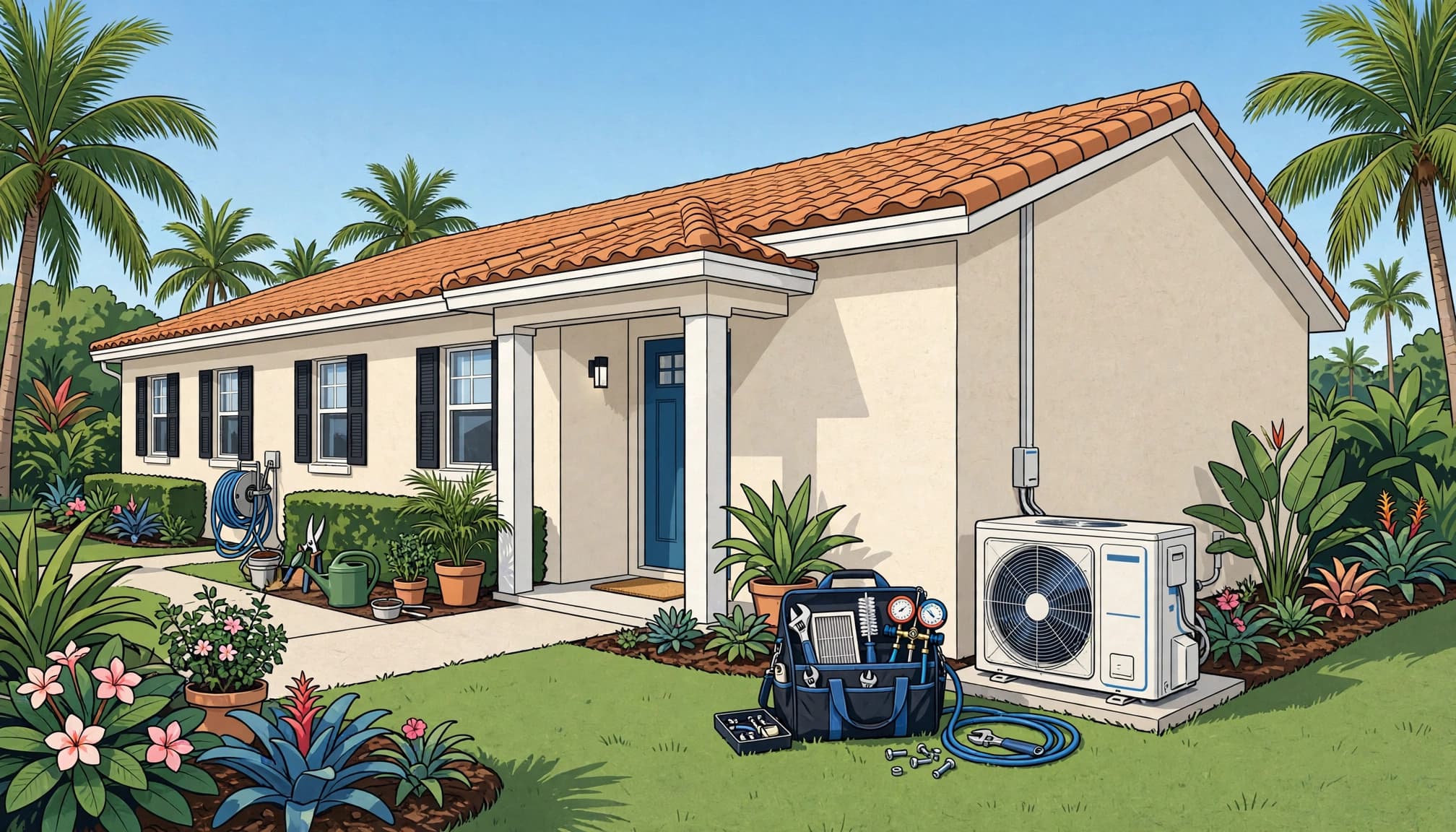
Florida Statutes section 83.51 requires landlords to meet applicable building, housing, and health codes. Where no such codes apply, it identifies maintenance and repair duties for structural components and plumbing. These landlord responsibilities support habitability; confirm any implied warranty of habitability question against current Florida sources.
For a single-family home or duplex, certain duties under section 83.51(1) can be modified by a written agreement. We wouldn’t use a blanket “tenant pays for all repairs” clause. A property-specific allocation is clearer and easier to administer.
Give Tenants a Clear Reporting Route
Section 83.52 addresses tenant obligations such as reasonable use of fixtures, cleanliness, garbage disposal, and avoiding damage. Put those expectations beside a practical process for reporting problems.
For example, say how tenants should report an active leak, what information to provide, and which channel to use for routine requests. In Southwest Florida, timely reports about water intrusion or air-conditioning trouble can help us coordinate a response and preserve a reliable maintenance record.
Property Use, Occupancy, and Pets Need Clear Boundaries
Property use and occupancy clauses should identify approved residents. Explain how to request changes, and check applicable housing codes and fair housing requirements before setting limits.
For property use and occupancy, describe permitted residential use and reasonable restrictions on smoking, parking, alterations, short-term rentals, and subletting. If an association governs the property, confirm its rules before promising a tenant a parking space or pet privilege the association won’t allow.
Pet terms should identify approved animals, applicable charges, and responsibility for damage. Assistance animals require a different review under fair housing law, so we don’t treat them as ordinary pets under a standard no-pets clause.
A restriction works best when the tenant can tell exactly what conduct it covers and the landlord can apply it consistently.
Entry Rights and Electronic Notice Are Different Permissions
An owner needs reasonable access for repairs and inspections, while a tenant is entitled to lawful notice and privacy. Set an access procedure in the lease, then follow the statute when a visit is needed.
Set a Lawful Access Routine
Section 83.53 requires at least 24 hours’ reasonable notice for repairs, with visits scheduled between 7:30 a.m. and 8:00 p.m. Other entry rights remain subject to statutory conditions, so coordinate routine visits. The lease doesn’t grant unrestricted entry.
An emergency can justify entry at any time when necessary to protect or preserve the premises. An active water leak is different from a convenient time to inspect. Keep a record of why emergency access was needed and what happened.
Obtain Consent Before Emailing Statutory Notices
A tenant’s email address on an application isn’t automatic consent to receive an electronic notice. Section 83.505 permits electronic notice by email under a signed addendum with valid email addresses and required consent language. The tenant’s choice must be voluntary, and the statute provides for updates or revocation.
We keep that addendum with the executed lease. If consent isn’t properly in place, use another delivery method authorized by law. A courtesy email can accompany written notice, but convenience alone doesn’t make email legally effective.
Renewal and Termination Clauses Need the Right Clock
Fixed-term leases and periodic tenancies follow different landlord-tenant law rules for expiration and lease termination. State the expiration date, renewal options, response method, and any lawful notice window in the agreement. Avoid an automatic-renewal provision that an owner or tenant could easily miss.
Review the Lease Before Sending a Renewal Offer
For a fixed-term residential lease, Florida law allows a contractual notice requirement of 30 to 60 days before expiration. If the lease includes one, calendar it early and check how notice must be delivered. Separate any proposed rent increase from the existing lease terms, and put accepted changes in writing.
Before preparing a renewal, we also check the deposit amount, approved occupants, pets, and maintenance terms. A signed renewal should identify the renewal options, clarify which provisions changed, and state which remain in force.
Match Termination Notices to the Tenancy
For periodic tenancies, section 83.57 requires written notice before the end of the rental period: 60 days for year-to-year, 30 days for quarter-to-quarter, 30 days for month-to-month, and seven days for week-to-week tenancies. The Florida Bar’s landlord-tenant guidance is useful background, but older summaries may show a different monthly period. Check current law and your lease, and use a legally permitted delivery method before serving lease termination notice.
Nonpayment follows a separate eviction process. Before filing, Florida generally requires a three-day written notice to pay rent or give up possession, excluding the delivery day, Saturdays, Sundays, and legal holidays. Filing can’t replace that notice, and noncompliance with the process can derail an eviction; lock changes or utility shutoffs aren’t lawful substitutes.
Disclosures Belong in the Signing File
Are you using last year’s lease packet for a new tenant? Review it before sending it out. Disclosure requirements can change even when the property’s rent and occupants don’t.
Provide the Separate Flood Disclosure When Required
Under section 83.512, a residential rental agreement lasting one year or longer requires a separate written flood disclosure at or before execution. It addresses known flooding during the landlord’s ownership that damaged the dwelling, flood-damage insurance claims, and flood-related assistance received. This requirement took effect October 1, 2025.
A Cape Coral canal home and a Lehigh Acres home with drainage concerns may have different histories. Neither a flood map nor a general lease condition clause replaces this required document. Review available records, complete the disclosure accurately, and retain proof of delivery with the signed agreement.
Check Other Property-Specific Requirements
Florida also requires residential leases to include radon disclosure language. For housing built before 1978, federal lead-based paint disclosure rules may apply. Confirm the home’s age and any association requirements before you finalize the packet.
The 2026 Florida residential tenancy statutes index is a useful starting point for checking current section numbers and updates to Florida landlord-tenant law. For unusual property conditions or disputed terms, ask a Florida real estate attorney to help confirm legal compliance.
Frequently Asked Questions
Can a Florida landlord charge a late fee? Yes, a lease can provide for late fees. State the amount and trigger clearly rather than assuming every overdue payment creates the same charge.
Must every rental have a flood disclosure? Section 83.512 applies to residential rental agreements with a term of one year or longer. When it applies, give the separate disclosure at or before signing.
Can a landlord enter without advance notice during an emergency? Yes, when entry is necessary to protect or preserve the premises. Routine inspections and repairs should follow the applicable access rules.
A Better Lease Starts with a Better File
Clear Florida rental lease clauses help protect your investment, but the signed agreement is only part of the job. Deposit notices, repair records, disclosures, and delivery proof need the same attention.
We help Southwest Florida owners keep leasing and property management organized around the home they own. If you’d like support reviewing your rental process, contact Best Investing Realty to discuss your property and goals.