
Pricing rental properties correctly can protect your cash flow, reduce vacancy, and help you attract qualified tenants. But setting rent too high can leave a home sitting while nearby properties receive applications.
In Lehigh Acres FL, Lehigh Acres rental prices vary by bedroom count, whether the home is a single family home, location, condition, and lease terms. We recommend starting with current comparable homes, then adjusting for the features and expenses that make your property different.
Key Takeaways
- Lehigh Acres rental prices vary by bedroom count, property type, location, condition, square feet, and included services. In August 2026, the broader average rent was approximately $1,780 per month.
- The most reliable pricing method is to compare at least five similar, current rental listings in the same local area whenever possible.
- Set a realistic pricing range instead of relying on one listing or market average, and consider the tenant’s total cost after utilities, deposits, fees, and other required charges.
- A slightly lower rent can protect cash flow when it helps reduce vacancy, attract qualified tenants, and support reliable occupancy.
- Owners should monitor inquiries, showings, applications, and competing listings after marketing the property, then adjust rent or presentation when the response indicates a problem.
What Are Lehigh Acres Rental Prices Right Now?
As of August 2026, Zumper reports an average rent price of approximately $1,780 in Lehigh Acres. Current market trends show the average monthly rent down 1.15% month over month and 6.49% compared with the previous year.
The following figures offer a starting point for the local rental market, once filtered by property type and square feet:
| Rental Type | Approximate Monthly Asking Rent |
|---|---|
| Studio apartment | $1,595 |
| One bedroom | $1,100 |
| Two bedrooms | $1,550 |
| Three bedrooms | $1,800 |
| Four or more bedrooms | $2,182 |
| Apartment, all sizes | $1,650 |
| Single family home, all sizes | $1,870 |
These figures are market guides, not guaranteed lease prices. They cover a studio apartment, one bedroom apartment, two bedroom apartment, three bedroom apartment, and four bedroom apartment. Different property types, including apartment rentals, may produce different pricing for an apartment and a house with the same bedroom count because of parking, outdoor space, privacy, storage, and maintenance responsibilities.
Other sources show why owners shouldn’t rely on one website. Point2Homes’ June 2026 rental report lists average apartment rent at $2,162, a 4.7% year-over-year decrease. Rentometer reports approximately $1,286 for one-bedroom properties, $1,560 for two bedrooms, $1,943 for three bedrooms, and $2,226 for four or more bedrooms.
The broader listing range can run from roughly $685 to $5,500 per month. That spread includes apartments, older homes, newly built properties, larger houses, and high-end rentals. It isn’t a useful range until you narrow the search to homes that truly compete with yours.
For national context, one apartment-focused benchmark places the national average near $1,664. Lehigh Acres’ broader average is slightly higher, but this national average isn’t a reliable pricing comparison because it reflects apartment data rather than house data.
Start With the Property, Not the Guess
Your purchase price, mortgage payment, and desired return matter to your investment plan. They don’t determine market rent. Tenants compare your home with other choices, not with your financing structure.
Start by identifying the relevant property types, then document the home in detail. Consider the following features:
- The number of bedrooms, bathrooms, and total square feet.
- The age of the home and the condition of flooring, paint, appliances, and fixtures.
- A garage, driveway, storage space, laundry equipment, and outdoor areas.
- Included services such as lawn care, pest control, water, or trash removal.
- Pet policies, application requirements, security deposit, and lease length.
- The home’s location within Lehigh Acres, including nearby shopping, schools, major roads, and daily commuting routes.
A newer single family home with a two-car garage shouldn’t be priced against an older apartment with limited parking. However, a newer home doesn’t automatically justify the highest asking rent. The difference must be visible and useful to the tenant.
Square-foot pricing can help you compare homes, but it should remain a secondary measure. A well-designed 1,600-square-foot house may rent better than a larger home with poor storage, dated finishes, or an inconvenient layout.
Location also requires a closer look. Compare homes in the same ZIP code or subdivision when possible, rather than treating all of Lehigh Acres as one identical market. A property near the renter’s preferred commute may outperform a similar home farther away, even when both have the same bedroom count.
Compare Similar Homes in the Current Market
The most reliable pricing process uses a small group of comparable properties, often called rental comps. In the current rental market, several close matches are more useful than one headline average.
Search current rental listings for houses for rent, focusing on active listings that share these characteristics:
- Match the property types first. Compare a house with similar single family houses, not only with apartments, townhomes, or a one bedroom apartment.
- Stay close to the same bedroom and bathroom count, square feet, age, and condition.
- Review the same local area, subdivision, or ZIP code before expanding the search.
- Record the bed bath profile, advertised rent, included services, deposit, pet friendly policy, lease length, and days on market.
Look at at least five strong comparisons when inventory allows it, including private landlord rentals when their service level is comparable. A listing that has remained available for several weeks may be overpriced, poorly presented, or affected by a restrictive policy. A property that disappears quickly may indicate stronger demand, but it doesn’t prove the home leased at its advertised price.

Inventory matters because renters have choices among available rentals. Realtor.com reports approximately 1,100 rentals across Lehigh Acres, while Homes.com lists more than 700 rental houses. A renter may compare ten similar houses with a two bedroom apartment. A property that costs more needs to offer a clear improvement.
Photos, cleanliness, maintenance, and listing accuracy also affect competition. Before increasing rent because of a remodeled kitchen, confirm that nearby renters can see the difference in the photographs and during a showing.
Use a Pricing Range, Not a Single Guess
Once you have comparable homes, create a realistic rent range with lower, middle, and upper positions. The middle of the group is usually a better starting point than the highest advertised rent.
For example, current asking data places three-bedroom rentals around $1,800 on Zumper and closer to $1,943 on Rentometer. Rentometer’s Lehigh Acres rent data also notes that some bedroom categories have limited data. That difference doesn’t mean one source is automatically wrong. Each platform may measure a different selection of listings.
A newer home with a garage, strong finishes, and included lawn care may compete near the upper part of a matched range. An older property with dated features or higher tenant-paid costs may need to sit closer to the middle or lower end. A one bedroom apartment with dated finishes may also sit below a renovated home within the same range.
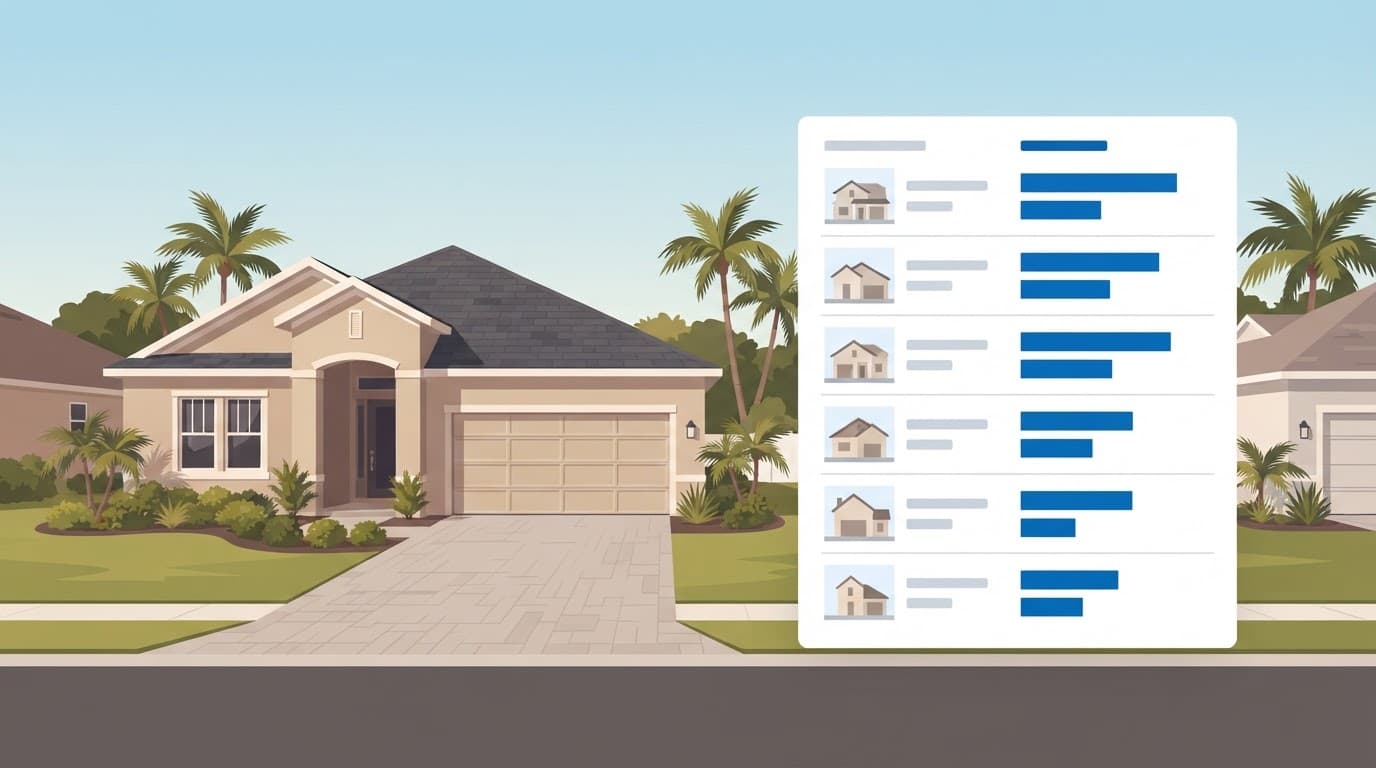
A useful pricing review should include:
- The monthly rent difference between your home and the three closest competitors.
- The total monthly cost after utilities, lawn service, pest control, and other required charges.
- The move-in cost, including the deposit, application fee, first month’s rent, and pet fees.
- The likely vacancy cost if the property needs extra time to secure a tenant.
A $100 increase may look attractive. One additional vacant month on a $1,900 home costs far more. The extra rent may not recover that loss quickly. The strongest rent supports reliable occupancy and responsible tenancy, not necessarily the highest number on the page.
For owners working with affordable housing programs, HUD’s FY 2026 Fair Market Rent data can provide an additional reference point. HUD figures are useful for program and affordability comparisons, but they do not represent a national average and aren’t a substitute for current market comps.
Check Demand, Costs, and Lease Terms
Rent should support the investment while respecting the tenant’s total experience. Start with the property’s operating budget. Include taxes, insurance, HOA fees, repairs, preventive maintenance, lawn care, pest control, turnover costs, and professional management.
We also recommend setting aside a vacancy and repair reserve. A home can look profitable on paper until one air-conditioning repair or several weeks without rent reduce the expected return.
Demand provides another pricing signal. Track rental trends through inquiry quality, showing requests, applications, and tenant feedback during the first marketing period. Many views with few showings may signal a pricing or listing issue. Showings without applications may indicate concerns about condition, policies, deposits, or total move-in costs.
Don’t make a major adjustment after one quiet day. Give the listing enough time to reach qualified renters, then review the response alongside comparable homes. If competing properties lease while yours receives little attention, a small rent adjustment or better presentation may protect income better than waiting for a perfect applicant.
For long-term investment planning, the Census American Community Survey can add household and housing information to your local real estate research. It won’t replace current listings or current rental pricing, but it can help you understand the broader housing market, including the renter and owner-occupant mix.
Private Landlord Rentals or Full-Service Management?
FRBO means “For Rent By Owner.” Private landlord rentals can give owners more control over pricing, showings, lease terms, and communication. They may also reduce direct management expenses.
That flexibility comes with responsibility. Owners still need a consistent screening process, legally sound lease documents, rent collection procedures, inspection records, and a plan for emergency repairs. Comprehensive screening usually includes credit and background checks, employment and income verification, rental history, and landlord references.
Private landlord rentals can underperform when a lower advertised rent comes with rushed screening, delayed repairs, or inconsistent rent collection. Reliable rent collection, transparent financial reporting, preventive upkeep, and prompt repair coordination all support the property’s long-term performance.
For owners who prefer less daily involvement, Best Investing Realty provides a full-service approach. A property manager can help with rental pricing research, tenant screening, leasing, rent collection, financial reporting, inspections, and maintenance coordination. That support can be especially helpful for investors building a portfolio or managing properties from outside Southwest Florida.
Frequently Asked Questions
What is the average rent in Lehigh Acres?
As of August 2026, the broader average rent in Lehigh Acres is approximately $1,780 per month. Actual prices vary by property type, bedroom count, condition, location, and included services.
How should I compare rental homes in Lehigh Acres?
Compare current listings with similar bedrooms, bathrooms, square feet, age, condition, property type, and location. Review at least five strong rental comps when inventory allows, and record advertised rent, included services, deposits, lease terms, and time on market.
Should I price my rental at the highest asking rent?
Not necessarily, because the highest advertised rent may increase vacancy if the property does not offer a clear advantage. A middle or upper position within a well-matched pricing range is often a stronger starting point than simply choosing the highest number.
What costs should I consider when setting rent?
Include taxes, insurance, HOA fees, repairs, maintenance, lawn care, pest control, turnover costs, management fees, and a vacancy reserve. Also consider the tenant’s total move-in and monthly costs, including deposits, utilities, and required services.
When should I adjust my rental price?
Review the listing response after it has had enough time to reach qualified renters rather than reacting to a single quiet day. Few showings may point to pricing or presentation, while showings without applications may indicate concerns about condition, policies, deposits, or total move-in costs.
Conclusion
The right rent starts with current comparable homes, then improves through property-specific adjustments. In August 2026, the average rent price for local rentals is about $1,780 overall. A one bedroom apartment often costs less than a house, while larger homes command more when condition and location support the difference.
Review the market, calculate the complete cost of occupancy, and watch renter response after listing. Compare local homes rather than relying on the national average. When inventory and demand change, Lehigh Acres rental prices may shift, so monitor rent prices to protect income and property value.