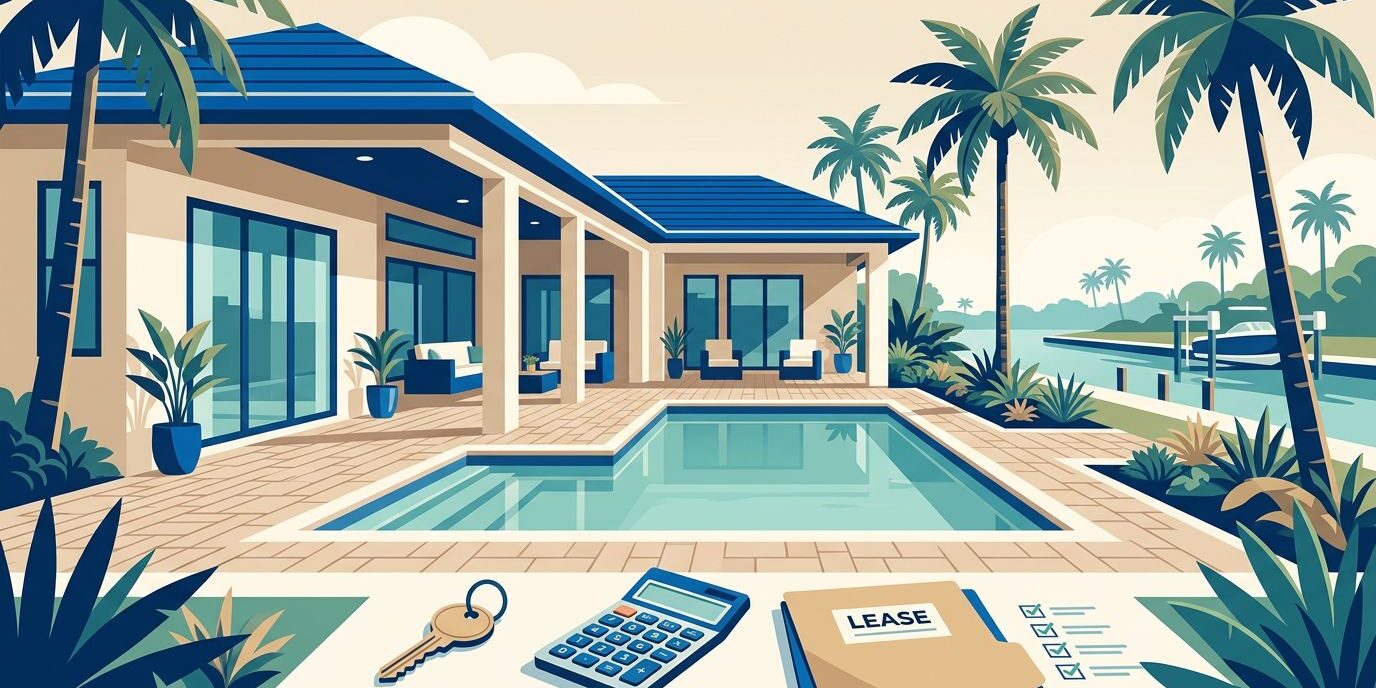
Buying a rental investment in Cape Coral can look like a straightforward path to income, but returns depend on more than the purchase price. Each residential rental property should be evaluated using purchase costs, monthly rent potential, insurance, maintenance, tenant demand, and compliance requirements. Cape Coral Florida is near Fort Myers in Southwest Florida, so location also shapes the investment decision.
New owners also need to choose the right rental type. A long-term lease offers more predictable income, while vacation rentals may produce higher gross revenue but require more work and guest turnover. Vacation homes can be another investment model, and features such as a pet friendly policy or swimming pools may broaden demand. The right plan starts with choosing a property that matches your budget and management goals.
Key Takeaways
- Evaluate each Cape Coral rental property using realistic rent projections, insurance costs, maintenance needs, vacancy risk, reserves, and compliance requirements.
- Choose between long-term rentals and vacation rentals based on your income goals, available time, property features, financing, and management preferences.
- Review flood exposure, HOA rules, rental restrictions, insurance coverage, and the condition of major systems before making an offer.
- Cape Coral requires annual rental registration beginning January 1, 2026, with fees based on the rental period and separate requirements for short-term operations.
- Protect long-term performance with consistent tenant screening, organized records, regular maintenance, and a reliable property management plan.
Why Cape Coral Works for New Rental Owners
A residential rental property in Cape Coral attracts renters seeking more space, privacy, and outdoor living than a typical apartment offers. Single family homes with garages, screened lanais, private swimming pools, and pet friendly policies appeal to families, professionals, and seasonal residents. Seasonal residents may compare vacation homes and vacation rentals with conventional leases.
The city’s location near Fort Myers gives tenants access to employment, shopping, healthcare, restaurants, and recreation. That setting supports water sports and the broader Southwest Florida lifestyle. For owners, it creates several rental strategies instead of one narrow tenant group.
Long-Term Demand Supports Predictable Income
Long term rentals are usually leased for more than six months. This model can reduce turnover, cleaning costs, advertising expenses, and owner coordination.
Published listings can range from roughly $1,100 to more than $3,100 per month, depending on the home’s size, age, location, condition, and amenities. Treat those figures as asking rents, not guaranteed income. A property manager should compare similar homes with similar square footage, bedroom counts, pools, garage space, and water access before setting a rental price.
A well-priced home may attract qualified tenants faster than a property listed above the market. Pet friendly policies can broaden demand, while a low price can still create unnecessary vacancy and leave money on the table.
Features Can Expand the Tenant Pool
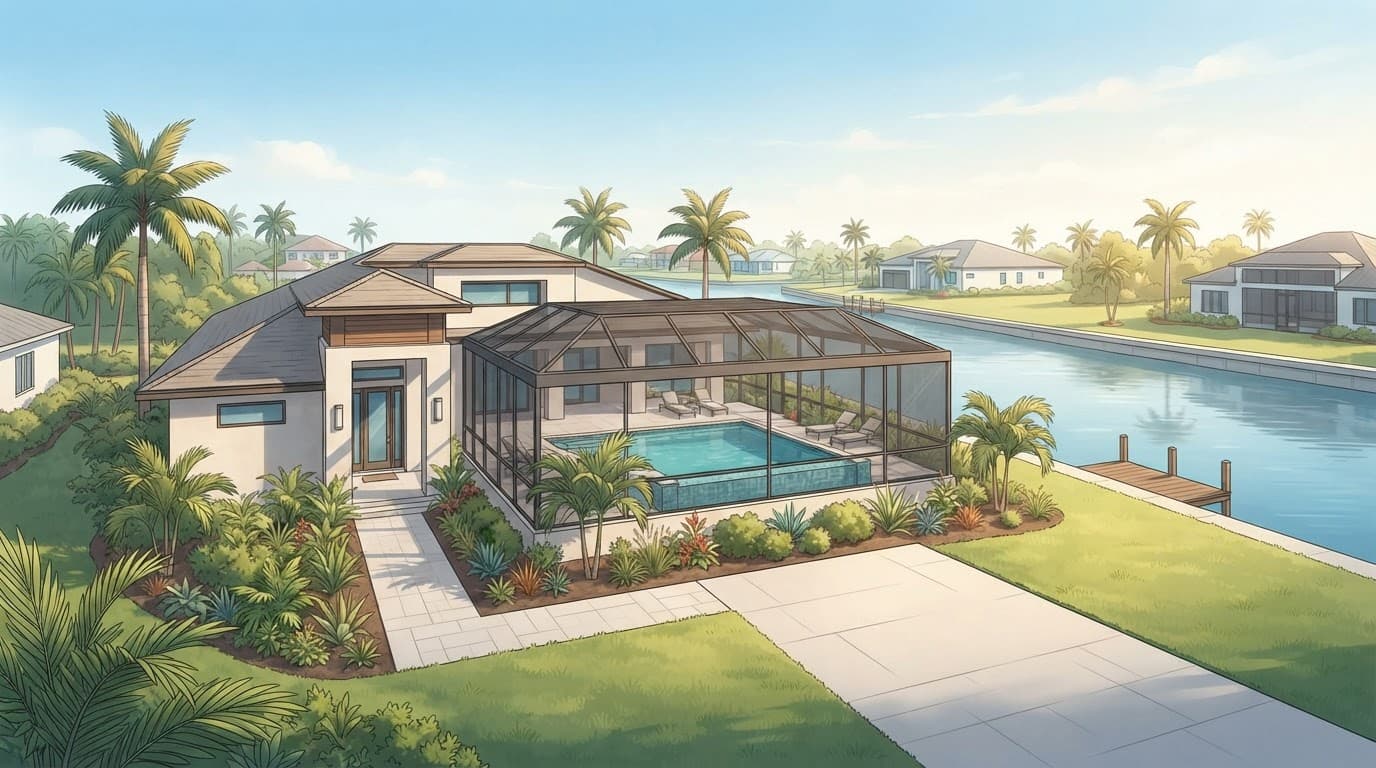
Cape Coral homes with gulf access, canal views, private pools, screened outdoor areas, and updated kitchens often appeal to a broader audience. These features can also support stronger rental rates, but they create additional maintenance responsibilities.
Waterfront homes may require extra attention to seawalls, docks, irrigation, insurance, and storm preparation. Pool homes need regular cleaning and equipment inspections. A feature is only an advantage when the added income justifies the cost of maintaining it.
How to Choose a Cape Coral Rental Property
A profitable purchase starts with disciplined property selection. Assess a residential rental property as both an investment and a future home for tenants. Even attractive single family homes can produce weak results when insurance, repairs, or rental restrictions cost too much.
Review Location Beyond the Street Address
Study the surrounding area, nearby roads, schools, shopping, employment centers, and access to Fort Myers. Then review the property’s flood zone, drainage, canal frontage, gulf access, and storm exposure.
Insurance deserves attention before you make an offer. Ask for current insurance costs and find out whether flood coverage is separate from the main policy. An attractive purchase price can become expensive after property insurance, flood coverage, wind protection, deductibles, and required improvements are added.
If the property is in an HOA, review its rental rules and city rental obligations before closing. Some communities limit lease terms, require tenant approval, control vehicles and pets, or restrict certain stays. Strict pet policies may narrow the tenant pool, even when the home is pet friendly.
Inspect the Home and Its Income-Producing Features
A professional inspection should cover the roof, electrical system, plumbing, air conditioning, water heater, appliances, windows, pool equipment, irrigation, and structural components. If the property uses septic, add a septic inspection and review its service history.
The inspection should also guide your reserve planning. An older air conditioner may work today but need replacement soon. Pool pumps, water heaters, appliances, and irrigation systems can create large expenses when they fail.
Look for a layout that tenants can use comfortably. An open kitchen, adequate storage, a dedicated laundry area, covered parking, and durable flooring can improve the rental experience without relying on expensive cosmetic upgrades.
Budgeting for a Rental Property in Cape Coral
New owners often focus on rent and mortgage payments, then discover that a residential rental property budget includes much more. A reliable projection should account for recurring costs, reserves, and irregular repairs.
| Budget Item | What to Review |
|---|---|
| Purchase costs | Down payment, closing costs, inspections, lender fees, and initial repairs |
| Monthly ownership | Principal, interest, taxes, insurance, HOA dues, and utilities paid by the owner |
| Rental operations | Advertising, screening, leasing, property management, lawn care, pool service, and accounting |
| Property reserves | Air conditioning, roof, appliances, plumbing, pool equipment, and storm-related repairs |
| Income risk | Vacancy, concessions, late payments, turnover, and unexpected maintenance |
The goal is not to make every expense disappear. The goal is to understand the property before you buy it.

Use Actual Comparable Rents
Compare the property with homes tenants would genuinely consider together, including similar bedrooms, square feet, and amenities. A three-bedroom pool home should not be measured against a smaller apartment or a waterfront luxury home with a boat lift.
Review current listings, recent leasing results, days on market, included utilities, whether each home is pet friendly, and overall condition. If a property has been vacant for several weeks, study the listing closely. The issue may be price, photographs, condition, location, or a restriction that limits the tenant pool.
We also recommend preparing two projections. The first should use your expected monthly rent. The second should use a more conservative rent and higher repair allowance. If the property only works under perfect conditions, the purchase needs another review.
Keep Cash Available After Closing
A reserve fund gives you room to handle repairs without relying on credit cards or delaying necessary work. Southwest Florida heat, storms, humidity, and heavy air conditioner use can place extra pressure on a rental home.
Set aside money for routine work and larger capital expenses. Even a well-maintained home will eventually need replacement appliances, exterior painting, air conditioning service, plumbing work, or roof repairs.
Long-Term and Short-Term Rental Strategies
The best rental type depends on your goals, available time, financing, property features, and comfort with changing income. Vacation rentals and long term rentals each have strengths, but neither approach is automatically better for every Cape Coral owner.
Long-Term Rentals Favor Stability
For many owners, long term rentals provide a clearer income schedule and fewer turnovers. Tenants are responsible for ordinary household care under the lease, while the owner remains responsible for property systems and required repairs.
This approach works well for owners who want dependable occupancy and less frequent coordination. It also fits homes that are comfortable and practical but lack vacation-focused features such as a pool, gulf access, or a highly desirable seasonal location.
Pet friendly policies can increase demand, but they should be supported by a clear lease, appropriate screening, and a plan for property inspections. A property manager can apply the same rental criteria to each applicant and help keep the process organized.
Short-Term Rentals Require More Oversight
Some vacation homes are designed for seasonal guests and may suit short term rentals. Vacation rentals may attract visitors seeking amenities such as swimming pools, a screened lanai, fast internet, multiple bedrooms, gulf access, or water sports. Pet friendly policies can also broaden their appeal.
Guests booking vacation homes often expect responsive communication and a smooth arrival. Turnover, cleaning, utilities, repairs, furnishings, the booking experience, and gaps between reservations can all require more attention.
Florida transient lodging operations may require a license through the Department of Business and Professional Regulation. The Florida DBPR vacation rental guide explains how these stays are treated as transient public lodging establishments and when state licensing applies.
Cape Coral’s rental registration rules are separate from state licensing. City guidance uses a six-night minimum for short-term stays, and the six-month classification limit is a different requirement. Before advertising, confirm city rules, HOA restrictions, state licensing, taxes, parking requirements, and any current operating conditions.
Cape Coral Rental Registration Requirements for 2026
Cape Coral requires annual registration for residential rental property beginning January 1, 2026. The requirement applies to single family homes, duplexes, condominiums, and multi family dwellings.
The City of Cape Coral rental registration page is the official city resource for Cape Coral Florida’s current registration requirements, fee information, and application instructions.
Know Which Annual Fee Applies
The city separates rentals by rental period, so vacation homes may fall into the short-term category.
| Rental Type | City Definition | Annual Registration Fee |
|---|---|---|
| Long-term rental | Rented for more than six months | $35 per property |
| Short-term rental | Rented for six months or less | $350 per property |
The registration fee applies to each property, not simply to an owner’s entire portfolio. An owner with three rentals should review the registration status and renewal requirements for each address.
The city’s fee changes were announced in its updated city fee notice. Keep the registration receipt and supporting records with the property’s lease, insurance documents, inspection reports, and tax information. Note the renewal date for each address, and keep the file available for Code Compliance questions.
Use the Energov CSS Portal
Owners register and renew through Cape Coral’s Energov CSS Portal. The city’s Energov CSS instructions explain how residents access city services online.
Registration must be renewed every year for each property. The city directed owners to begin or continue the process online starting January 2, 2026. Don’t wait until a tenant is moving in or a booking is already advertised. Registration should be part of the acquisition and leasing timeline.
Have the property’s address, owner information, responsible contact details, rental classification, and payment method ready. If a property manager handles the process, confirm who owns the registration account and who receives renewal notices.
Avoid Fines and Registration Problems
Registration is not a one-time closing task. Annual registration remains an ongoing obligation for each residential rental property. Owners must keep information current, even when a leasing agent handles daily operations.
Track Changes Within 30 Days
Cape Coral’s registration requirements call for updated information when the responsible person or company changes. The city ordinance materials provide a 30-day period to notify the department after changes to registration information.
A new owner also has 30 days after a transfer of ownership to register the property. This matters when you purchase an already occupied rental. The previous owner’s registration should not be treated as your continuing approval. After a transfer or management change, verify the renewal date and update your records.
Keep a written record of:
- The registration date and renewal date for every property.
- The name and contact information for the owner and responsible manager.
- Changes in ownership, management, mailing address, phone number, or email.
- Rental registration receipts, late notices, inspection records, and city correspondence.
Understand the Possible Penalties
Late registration and failure to renew can create more than an administrative inconvenience. City materials identify civil penalties in addition to any applicable late fee. For certain private, for-profit failures to renew, the stated long-term penalty is $250 for a first offense and $500 for a second or later offense within 36 months.
For short term rentals, the stated civil penalty is $500 for a first offense and $1,000 for a second or later offense within 36 months. A late fee may also apply. The published registration information includes a $50 late fee for short-term registration, but owners should confirm the amount shown in the current portal before submitting payment.
Penalty amounts can depend on the violation and enforcement basis. If you receive a notice, review the official instructions or contact Code Compliance rather than relying on an old online summary.
Check Homestead Status Before Leasing
A property with an active homestead exemption needs careful review before it becomes a rental. Florida homestead protection is tied to a primary residence, not simply to ownership.
The Lee County Property Appraiser explains the application process through its Lee County homestead application. County guidance states that the exemption is intended for a primary residence, with occupancy requirements connected to October 1 of the year claimed.
If you lived in the home and later decide to rent it, contact the Lee County Property Appraiser to confirm how the change may affect the homestead exemption. Don’t assume the tax status continues unchanged after the home becomes a rental.
This review should happen before advertising the home. It helps keep your tax records, rental records, and ownership information aligned.
Build a Reliable Property Management Plan
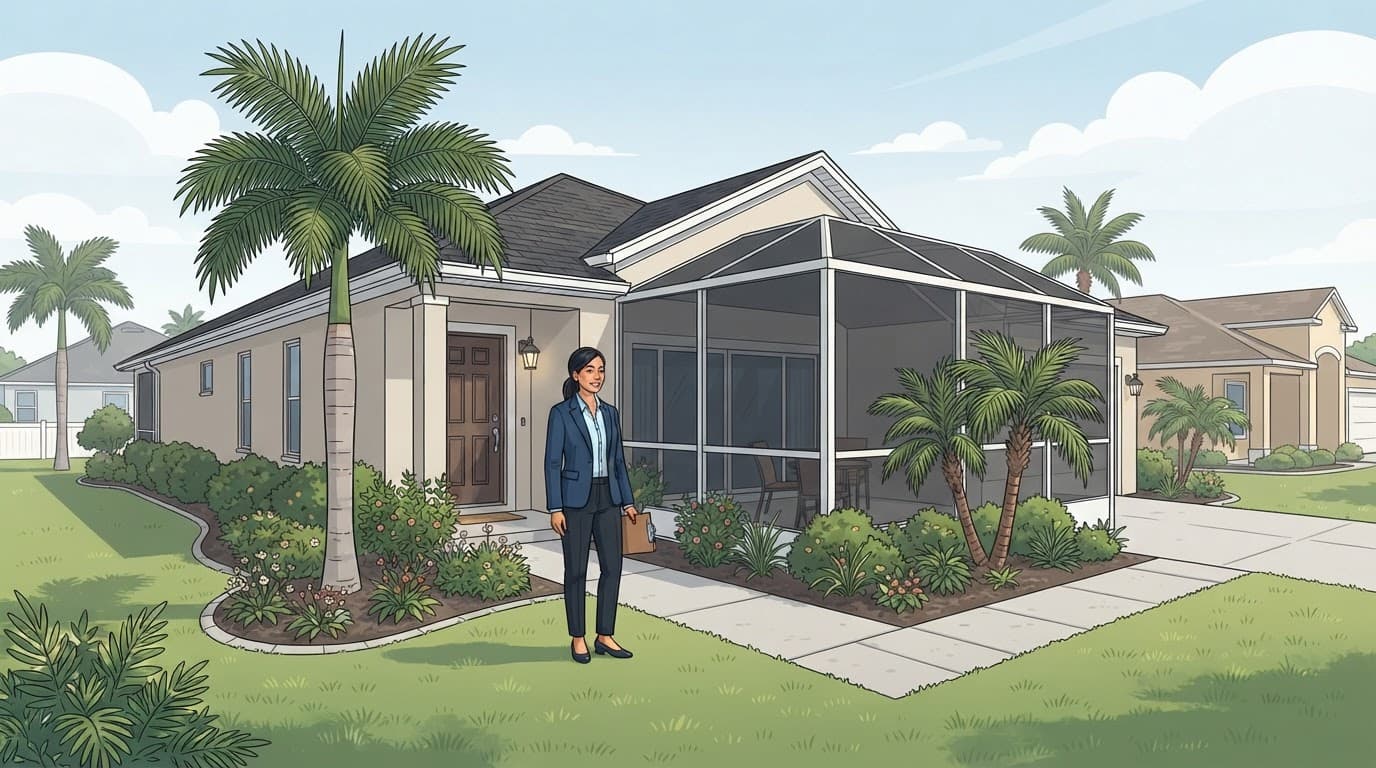
A residential rental property can produce income without becoming a second full-time job. That requires clearly assigned daily responsibilities. A property management plan should cover marketing, tenant screening, leases, rent collection, inspections, maintenance, accounting, and legal compliance.
Screen Tenants and Manage Leasing Carefully
Strong tenant screening helps reduce late payments, property damage, and avoidable vacancies. A consistent process may include credit and background checks, employment and income verification, rental history, and landlord references.
Applicants may provide pay stubs, bank statements, tax returns, an employment offer letter, or documentation of other income. Screening criteria should be applied consistently and in line with fair housing requirements.
A clear lease should cover rent, deposits, maintenance responsibilities, pets, utilities, occupancy, inspections, renewal terms, and emergency procedures. If the home is pet friendly, document related rules and apply them consistently. Good communication at the beginning of a tenancy prevents many problems later.
Keep Money, Maintenance, and Records Organized
Reliable rent collection and monthly financial reporting give owners a clear view of performance. Records should include income, repairs, management fees, inspections, invoices, deposits, and tax-related documents.
Maintenance requests also need a dependable system. Tenants should have a simple way to report problems, while owners should receive updates on the issue, approval needed, vendor assigned, and work completed.
At Best Investing Realty, our full-service management approach includes tenant screening, leasing, rent collection, accounting, inspections, maintenance coordination, and legal compliance. Owner and resident portals can also make payments, maintenance requests, documents, income statements, and updates easier to manage.
Protect the Home Between Tenancies
A well-maintained residential rental property is easier to rent, more comfortable for tenants, and less likely to produce expensive surprises. Small maintenance habits protect the home and reduce unnecessary turnover costs.
Maintain Air Conditioning and Appliances
Florida air conditioning systems work hard for much of the year. Filters should generally be cleaned or replaced every one to two months, depending on the system and household conditions. Vents should remain open and clear so air can circulate properly.
Tenants should report weak cooling, unusual sounds, water near the indoor unit, or repeated cycling instead of attempting major repairs. Early reporting can prevent a small service call from becoming equipment damage.
Appliances also benefit from basic care. Clean food, grease, dust, and filters regularly. Check refrigerator and dishwasher seals for damage, avoid overloading washers and dishwashers, and replace filters according to the manufacturer’s instructions.
Watch Septic Systems and Pest Concerns
If the home uses septic, tenants should never flush wipes, grease, or chemicals. Laundry loads should be spread across the week instead of running continuously in one day. Slow drains, odors, or backups should be reported immediately.
Outdoor maintenance matters in the local climate. Standing water in planters, toys, and buckets can attract mosquitoes. Trim bushes away from walls and windows, maintain the lawn, and report fire ant mounds or visible trails before they spread.
These instructions belong in the move-in information and lease materials. Clear expectations help tenants care for the home while giving owners a better chance to address problems early.
Frequently Asked Questions
Is Cape Coral a good place to buy a rental property?
Cape Coral can support several rental strategies because it attracts families, professionals, seasonal residents, and vacation guests. The best opportunity depends on the property’s location, condition, insurance costs, amenities, rental restrictions, and expected demand.
Should I choose a long-term rental or a vacation rental?
Long-term rentals generally offer more predictable income and fewer turnovers, while vacation rentals may produce higher gross revenue with more active management. Consider your available time, property features, financing, licensing obligations, and comfort with changing occupancy.
What does Cape Coral rental registration cost in 2026?
Beginning January 1, 2026, long-term rentals have an annual registration fee of $35 per property, while short-term rentals have a fee of $350 per property. Owners must register and renew each property annually through the Energov CSS Portal.
What should I review before buying a Cape Coral rental property?
Review comparable rents, insurance and flood coverage, HOA rules, rental restrictions, flood zone information, and the condition of the roof, air conditioning, plumbing, pool equipment, and other major systems. You should also prepare conservative projections that include vacancy, repairs, management, and capital reserves.
Do I need a property manager for a Cape Coral rental?
A property manager is not required for every rental, but professional management can help with marketing, tenant screening, leasing, rent collection, inspections, maintenance coordination, and compliance. It may be especially useful for owners who live outside the area or choose a vacation rental that requires frequent guest communication and turnover.
Conclusion
A successful Cape Coral rental property investment begins with realistic purchase analysis and continues through careful leasing, maintenance, registration, and record keeping. Lease-based rentals can offer stability, while vacation stays may suit owners prepared for more active operations and added licensing.
Strong results come from matching the home to its intended strategy, keeping reserves available, and meeting every city and county requirement. With dependable oversight and consistent care, new owners can build an investment that supports current income and long-term goals.