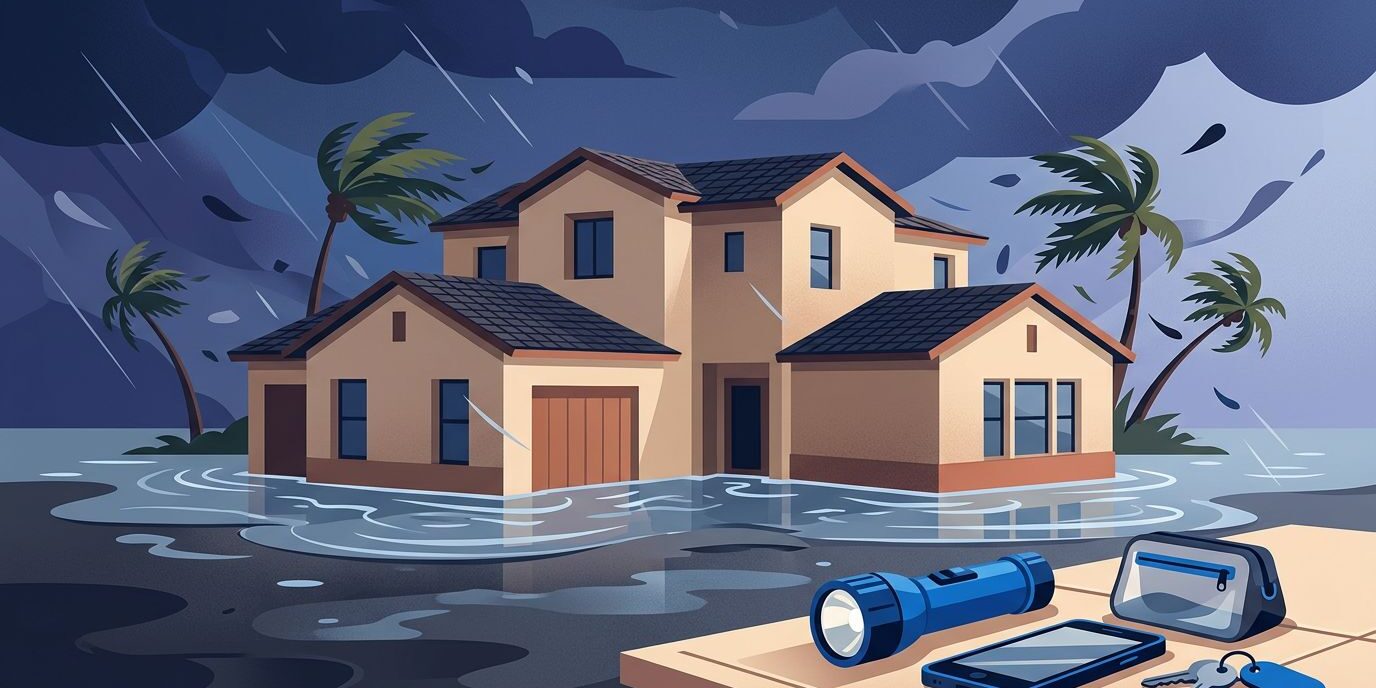
Florida severe weather and natural disasters can quickly disrupt rental operations. A Florida rental emergency plan helps you protect the property, communicate with occupants, and control costs before a hurricane or flood arrives.
Your responsibility is the building and its operating systems. Your tenant’s responsibility is personal safety, household supplies, and personal belongings. Writing down these duties supports property readiness and personal readiness when storm conditions develop.
Key Takeaways
- A Florida rental emergency plan should match the property’s location, flood and storm exposure, occupancy status, rental strategy, and access needs.
- Assign one person to manage tenant communication, vendors, insurance, utility decisions, owner updates, and emergency records so responsibilities remain clear during a disaster.
- Review FEMA flood maps, evacuation information, insurance coverage, flood insurance, hurricane deductibles, and lost-rent protection before storm season.
- Keep a secure property emergency binder with dated condition records, utility information, lease details, vendor contacts, insurance documents, and preparation photos.
- Separate landlord property duties from tenant personal readiness, communicate through multiple channels, use generators safely, and document damage before permanent repairs or debris removal.
What a Florida Rental Emergency Plan Should Cover
A useful plan should work for a long-term lease, a vacation rental, or a property between tenants. It needs more than a list of emergency phone numbers. Emergency preparedness provides the operating framework for a disaster preparedness plan built around four questions:
- What risks affect this address?
- What must happen before the storm?
- Who owns tenant communication and coordination with vendors and insurers?
- How will the property be documented and repaired afterward?
Property readiness includes roof and exterior inspections, storm shutters, utilities, drainage, landscaping, insurance, vendor access, and records. People also need water, food, medication, important documents, and a household kit.
Match the Plan to the Rental Strategy
Long-term rentals usually have fewer turnovers and simpler communication. A vacation rental may require guest instructions, cleaning coordination, platform updates, flexible cancellation handling, and guidance for guests unfamiliar with local safety procedures.
A property manager should know whether the home is occupied, vacant, under repair, or scheduled for a guest arrival. Each condition changes the response. A vacant home may need a pre-storm inspection, while an occupied home requires direct tenant communication and clear safety instructions.
Assign One Person to Each Decision
Avoid vague instructions such as “someone will check the property.” Name the person responsible for tenant notices, vendor access, insurance communication, utility shutoffs, owner updates, and emergency contact information.
At Best Investing Realty, we view emergency planning as part of dependable property management. A clear assignment prevents duplicate calls, missed repairs, and confusion when phone service becomes unreliable.
Map Florida Storm and Flood Risks Before Hurricane Season
Every Florida rental property has its own exposure. Natural disasters can affect neighboring parcels differently because elevation, drainage, canals, and access vary. A home in Lehigh Acres may face different drainage and access issues than a waterfront property in Cape Coral, a coastal home in Port Charlotte, or a property near Punta Gorda.
Start with the exact parcel, not a general city forecast. The FEMA flood map tools help you review mapped flood hazards and identify whether the property sits in a higher-risk area. The FEMA Map Service Center provides address-based access to official flood map products. Use Ready.gov preparedness guidance to keep the property FEMA ready.
Check Flood Exposure and Evacuation Information
A flood zone is not the same as an evacuation zone, and neither replaces an on-site inspection. Review drainage, elevation, nearby canals, low road sections, access points, and the location of electrical equipment.
Florida’s Know Your Zone map helps you check evacuation information by address. Save the result in the property file, then identify at least two evacuation routes that tenants or guests could use if local officials order evacuation.
Florida Statutes section 83.512 addresses flood-risk disclosure to prospective residential tenants. Keep the disclosure with the lease records, verify current requirements under Florida Statutes section 83.512 with a qualified Florida attorney, and discuss coverage implications with an insurance professional.
Review Insurance for the Actual Property
Standard landlord insurance generally doesn’t replace separate flood insurance for rising water. Review flood insurance through the National Flood Insurance Program or a private carrier based on the property’s location, construction, elevation, foundation, and replacement cost. FloodSmart’s flood zone guidance can help you compare flood risk information before speaking with an insurance professional.
Review the insurance policies for:
- Dwelling coverage based on estimated replacement cost, not market value.
- Other structures coverage for eligible sheds, garages, docks, or detached improvements.
- Landlord-owned furnishings and appliances.
- Loss of rental income after a covered loss makes the home uninhabitable.
- Ordinance or law coverage for added rebuilding costs.
- Premises liability coverage and exclusions for pools, pets, waterfront features, or detached structures.
- Water backup, service line, equipment breakdown, and other useful endorsements.
Florida hurricane deductibles can be percentage-based. A 5% deductible on a $400,000 dwelling limit could leave you responsible for $20,000 before covered repairs begin. Ask whether the policy has separate hurricane, windstorm, roof, and all-perils deductibles.
Build the Property Emergency Binder Before Storm Season
A property emergency binder keeps key information in one reliable place during a stressful event. It also documents property readiness before a storm. Keep a physical copy in a secure location and a digital copy with restricted access.

Store Condition Records and Property Details
Add the following records before storm season:
- Current photos and video of every room, exterior wall, roof area, pool, screen enclosure, dock, seawall, and major appliance.
- The property address, parcel information, construction details, roof age, and elevation documents.
- Insurance declarations pages, policy numbers, agent contacts, deductibles, and claims instructions.
- Utility shutoff locations for electricity, water, gas, irrigation, and pool equipment.
- Lease information, tenant contact details, emergency contacts, and access instructions.
- Recent inspection reports, maintenance records, repair invoices, warranties, permits, and receipts for improvements.
Date the photos and store them with the inspection report. This creates a stronger record when an insurer, contractor, lender, or tenant needs to understand the property’s condition before the storm.
Add Vendors and Backup Contacts
Have the property manager maintain the vendor list and coordinate access. Include the plumber, electrician, HVAC contractor, roofer, restoration company, landscaper, pest provider, pool service, locksmith, and insurance agent. Record each vendor’s service area, after-hours number, license information when available, and any agreed emergency rates.
Ask vendors how they prioritize properties after a major storm. A company may serve existing maintenance customers first, so keep backup contacts for roofing, water extraction, tree removal, and temporary boarding.
For properties with pools, irrigation, seawalls, docks, or screened lanais, add separate storm instructions. These features can attract tenants, but they also create more equipment and inspection needs after high winds and flooding.
Set Landlord and Tenant Responsibilities
Florida Statutes sections 83.51 and 83.52 provide the starting point for understanding landlord and tenant duties. A written emergency preparedness process should address both property protection and tenant readiness. Use this framework when organizing hurricane preparedness before the season. The lease, local codes, insurance contract, and specific facts also matter, so legal questions should go to a Florida attorney.
Meet the Owner’s Maintenance Duties
Florida Statutes section 83.51 addresses the landlord’s property maintenance obligations. For a single-family rental, that includes structural components such as the roof, windows, doors, floors, steps, porches, exterior walls, and foundation, along with plumbing in reasonable working condition.
Before hurricane season, inspect roof penetrations, soffits, gutters, drainage, exterior doors, window protection, each smoke detector, and visible electrical equipment. Also check any fire extinguisher required by applicable code, lease terms, or property features. Repair known defects before a named storm approaches. Waiting until contractors are fully booked can leave the property exposed and create avoidable tenant concerns.
Give Tenants a Personal Readiness List
Tenants and guests should prepare their own emergency supplies using a FEMA ready checklist as a guide. Their kit should include:
- Drinking water and shelf-stable food for several days.
- Prescription medication, first-aid supplies, flashlights, batteries, and a battery-powered NOAA weather radio.
- Chargers, backup power banks, cash, identification, insurance information, and emergency contact information.
- Pet supplies, infant supplies, sanitation items, and necessary mobility equipment.
- A list of evacuation routes, shelters, emergency contacts, and out-of-area family contacts.
Your landlord policy doesn’t cover a tenant’s furniture, clothing, electronics, or personal liability. Include a renters insurance reminder in the emergency packet and related tenant communication.
Use Trigger-Based Tenant Communication
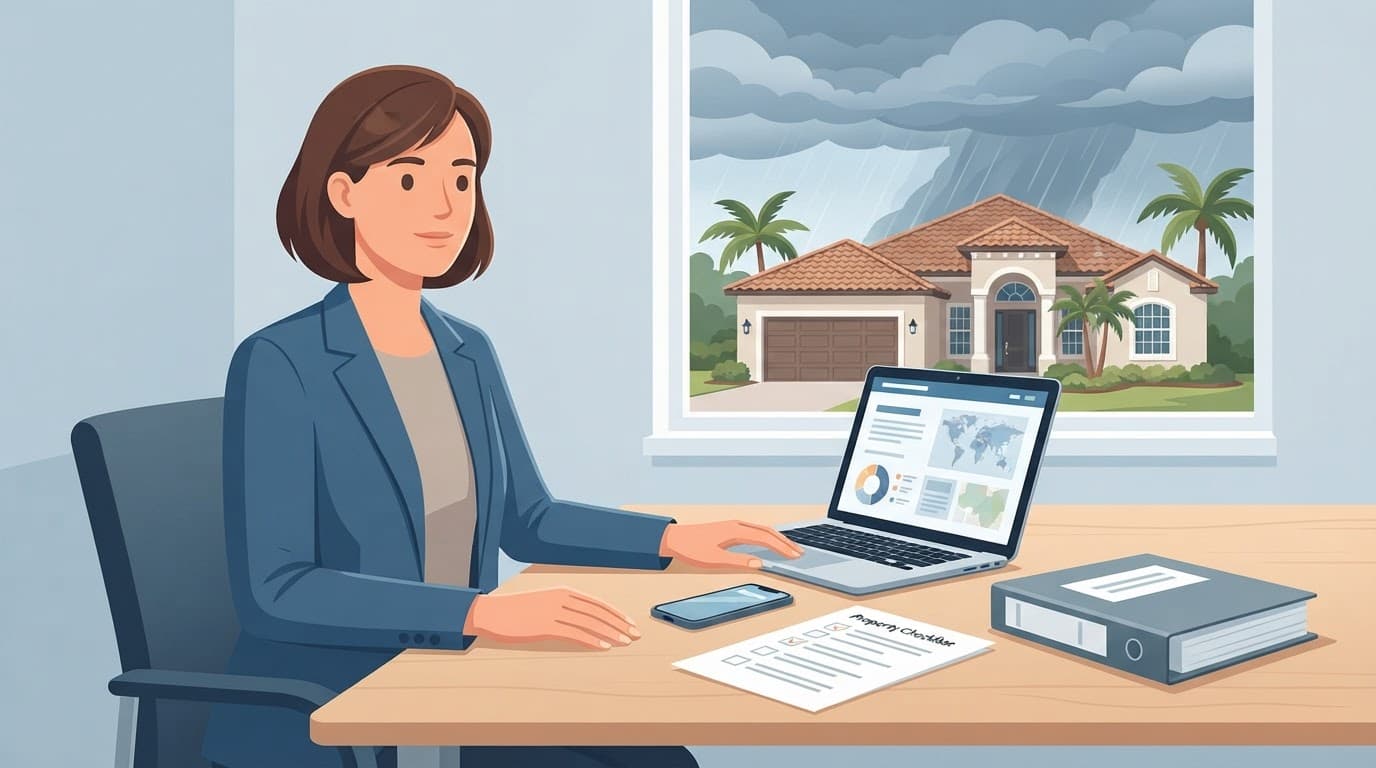
This emergency plan works better when communication begins before conditions become dangerous. Use official forecasts and alerts as triggers for tenant communication, then send short messages through more than one channel, such as email, text, resident portals, and phone calls when needed.
Send a Pre-Storm Notice
A pre-storm message should support personal readiness. Tell residents when outdoor items must be moved, how to report urgent maintenance, whether inspections are scheduled, and where to find evacuation information.
Keep the instructions practical. Ask tenants to bring in patio furniture, secure loose decorations, clear personal items from drains, avoid parking under trees, and report leaks or damaged windows immediately. Tell them how the property will be accessed and whether a vendor may arrive during the preparation period.
Communicate During and After the Event
During the storm, direct tenants to emergency services and local officials rather than promising repairs that cannot safely occur. State when your team will provide the next update.
After the storm, ask tenants to report active water intrusion, electrical hazards, gas odors, roof damage, broken windows, and unsafe access conditions. Tell them not to enter flooded areas or operate electrical equipment near standing water.
A property manager should send owners a separate update with photos, repair priorities, insurance status, tenant impact, and estimated next steps. Clear records help everyone understand what has happened and what remains unresolved.
Secure the Home, Utilities, and Generator
Routine hurricane preparedness should happen before watches become warnings, while emergency preparedness guides last-minute decisions. Once winds rise, many vendors stop traveling, and utility work may be delayed.
Protect the Exterior and Major Systems
To prepare for natural disasters, remove or secure patio furniture, grills, trash containers, umbrellas, planters, signs, and other loose items. Trim dead branches ahead of the season, but don’t leave fresh yard waste at the curb when a storm is approaching unless local instructions allow it.
Check shutters, panels, garage doors, roof edges, gutters, downspouts, drains, sump equipment, pool pumps, and irrigation controls. Photograph the completed preparation work.
If the property will be vacant, decide whether utilities should remain active for essential systems. Occupied homes may require different settings for refrigeration, alarms, sump equipment, and air conditioning than fully closed homes. Record every shutoff and restart decision.
Use a Portable Generator Safely
Never allow a portable generator inside a home, garage, shed, screened porch, or other enclosed area. An open garage door doesn’t make generator use safe. Carbon monoxide can build up quickly and has no reliable warning smell.
Generators must operate outdoors, away from doors, windows, and vents. Keep fuel in approved containers, away from ignition sources and living areas. Never connect a generator to a home’s wiring through an improvised cord. A licensed electrician should install approved transfer equipment when a permanent connection is needed.
Add these portable generator instructions to the tenant emergency notice, especially when the property has a garage or backup power equipment. Repeat that carbon monoxide can accumulate without warning and requires immediate evacuation to fresh air.
Handle Damage, Claims, and Orlando Debris
After natural disasters, disaster recovery starts with safety rather than cleanup speed. Wait for local officials and utility companies to confirm that roads, electrical systems, and structures are safe.
Document the Loss Before Repairs
Take wide photos first, then close-ups of damaged roofs, ceilings, flooring, appliances, windows, fences, pools, landscaping, and personal property. Record the date, time, room, and visible cause when known.
Prevent additional damage when it can be done safely. For example, a restoration company may place temporary coverings or remove standing water. Keep every invoice, receipt, estimate, email, and vendor report. Notify the insurer promptly, and ask whether the carrier requires an inspection before disposal or permanent repairs.
Track lost rent separately from physical damage. Review the policy’s waiting period, coverage limit, payment duration, and definition of rental income. Continue documenting tenant notices, relocation discussions, and the date the home becomes habitable again.
Follow Local Debris Instructions
For Orlando properties, storm debris and yard waste collection can change after a major event. The city’s Solid Waste Division lists 407-246-2314 and swcustomersvc@orlando.gov for questions about collection and storm debris. Verify the current contact information before relying on these details.
Follow current city announcements for timing, placement, and separation. Don’t assume regular trash or yard-waste service will continue after a storm, and don’t rely on a private hauler’s schedule when roads or landfills are affected. Report trees or brush blocking sidewalks and streets through the city’s current process.
Protect Cash Flow While the Property Recovers
Emergency planning belongs in the operating model for each rental property, not only in the maintenance file. Include insurance, flood insurance, storm deductibles, coverage costs, and property maintenance when evaluating a rental. Review insurance policies for deductibles, exclusions, and coverage limits, along with lawn and pest service, pool or waterfront costs, management fees, and vacancy.
A management fee commonly falls between 8% and 12% of collected rent, although agreements vary. Ask whether your property manager charges based on rent due or rent received, then review leasing, renewal, inspection, emergency, and maintenance markup charges separately. These expenses reduce NOI before debt service.
Keep a dedicated reserve for costs a normal maintenance budget may not cover. A property can show attractive scheduled rent and still produce weak cash flow after vacancy, insurance, taxes, repairs, and financing. We recommend conservative, expected, and strong scenarios before purchasing or refinancing.
Review Emergency Financing Options
Florida’s Small Business Emergency Bridge Loan Program may provide short-term assistance after a qualifying disaster. The program is activated by executive order, and eligibility depends on the applicant’s small-business status and the specific event.
When activated, public program information identifies loans of $1,000 to $25,000, with a maximum 12-month term. The loans are interest-free during that term, and repayment is due in full by the end. Because a small business emergency bridge loan is event-dependent, rental operators shouldn’t treat it as guaranteed capital. Verify current availability and requirements through the official state or county emergency management announcement before relying on the funds.
Frequently Asked Questions
What should a Florida rental emergency plan include?
The plan should identify property risks, preparation steps, responsible decision-makers, tenant communication procedures, vendor contacts, insurance information, and post-storm recovery tasks. It should also account for whether the property is occupied, vacant, under repair, or being used as a vacation rental.
Are landlords responsible for a tenant’s emergency supplies and personal belongings?
Landlords are generally responsible for the building and its operating systems, while tenants and guests should prepare food, water, medication, important documents, and other personal supplies. A landlord’s policy typically does not cover a tenant’s furniture, clothing, electronics, or personal liability, so tenants should consider renters insurance.
Does standard landlord insurance cover flood damage?
Standard landlord insurance generally does not replace separate flood insurance for damage caused by rising water. Review the property’s location, construction, elevation, replacement cost, deductibles, exclusions, and loss-of-rent coverage with an insurance professional.
When should landlords communicate with tenants about a storm?
Communication should begin before conditions become dangerous and should be triggered by official forecasts, watches, warnings, or local instructions. Use more than one channel and provide practical directions about securing outdoor items, reporting urgent problems, inspections, evacuation information, and the next planned update.
How should a portable generator be used at a rental property?
A portable generator must operate outdoors, away from doors, windows, vents, garages, sheds, and enclosed porches because carbon monoxide can accumulate without warning. Never connect it to the home’s wiring with an improvised cord; a licensed electrician should install approved transfer equipment for a permanent connection.
Conclusion
A strong storm plan separates building protection from tenant preparedness, assigns clear responsibilities, and reflects the property’s flood, wind, insurance, and access risks. Written records, reliable vendors, practical communication, and safe generator rules make storm response more orderly.
The emergency plan should also protect the investment after the weather clears. A disaster preparedness plan should account for building protection, tenant coordination, insurance, reserves, and recovery decisions. When flood insurance, deductibles, lost rent, maintenance reserves, and management costs are included before a storm arrives, you can make decisions based on the property’s real operating needs, not on optimistic rent alone.